Sail & Steam

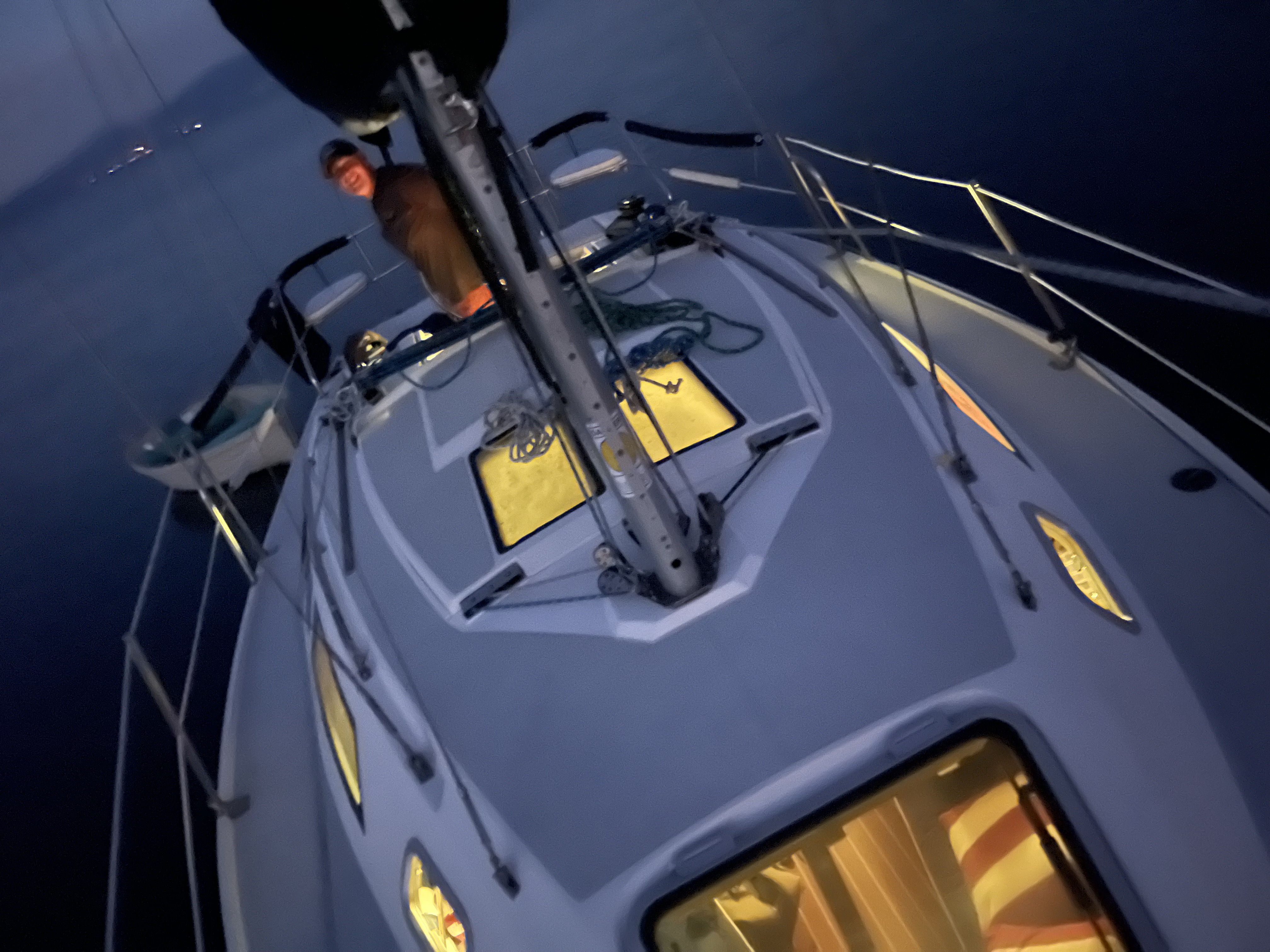
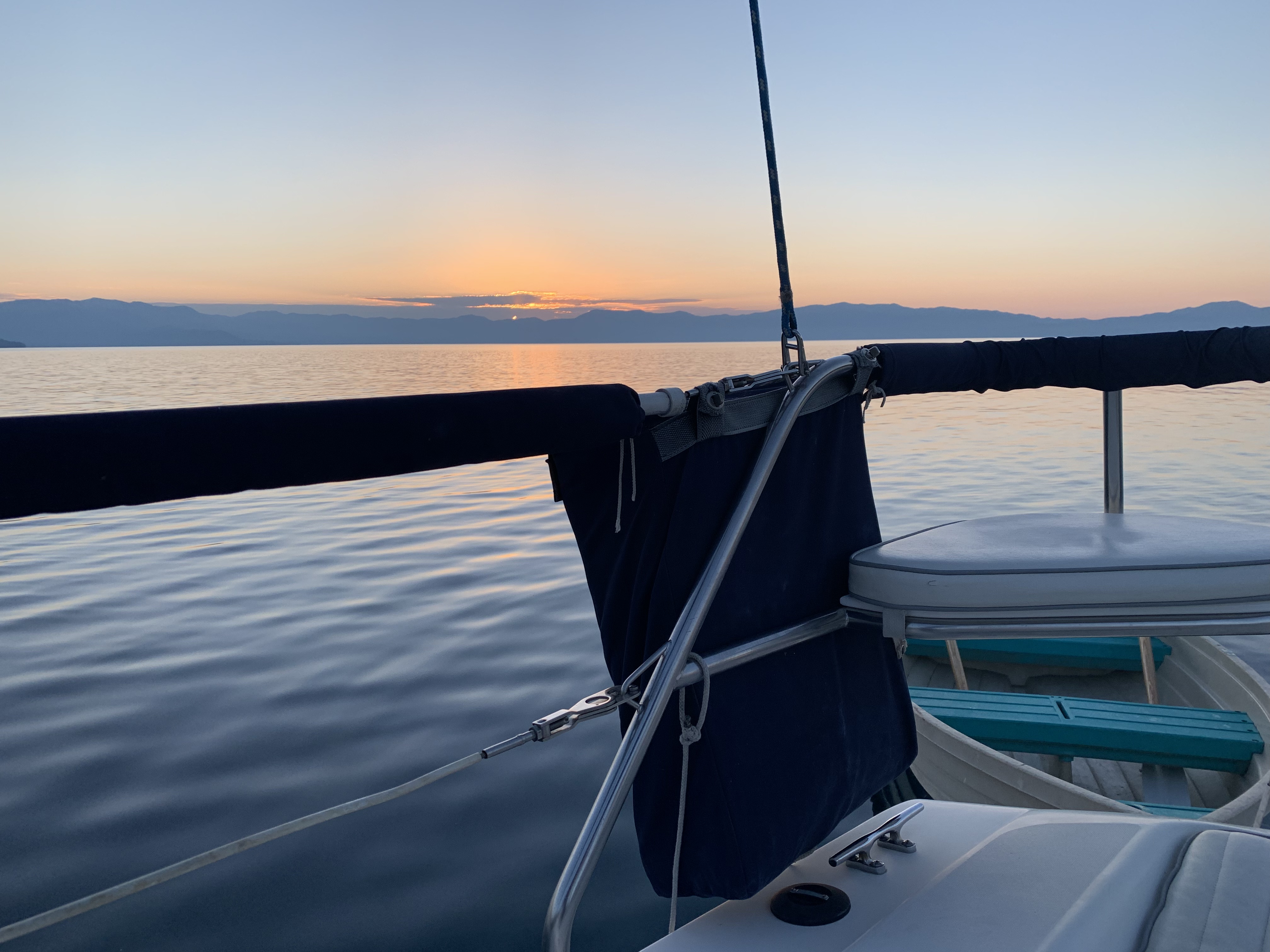
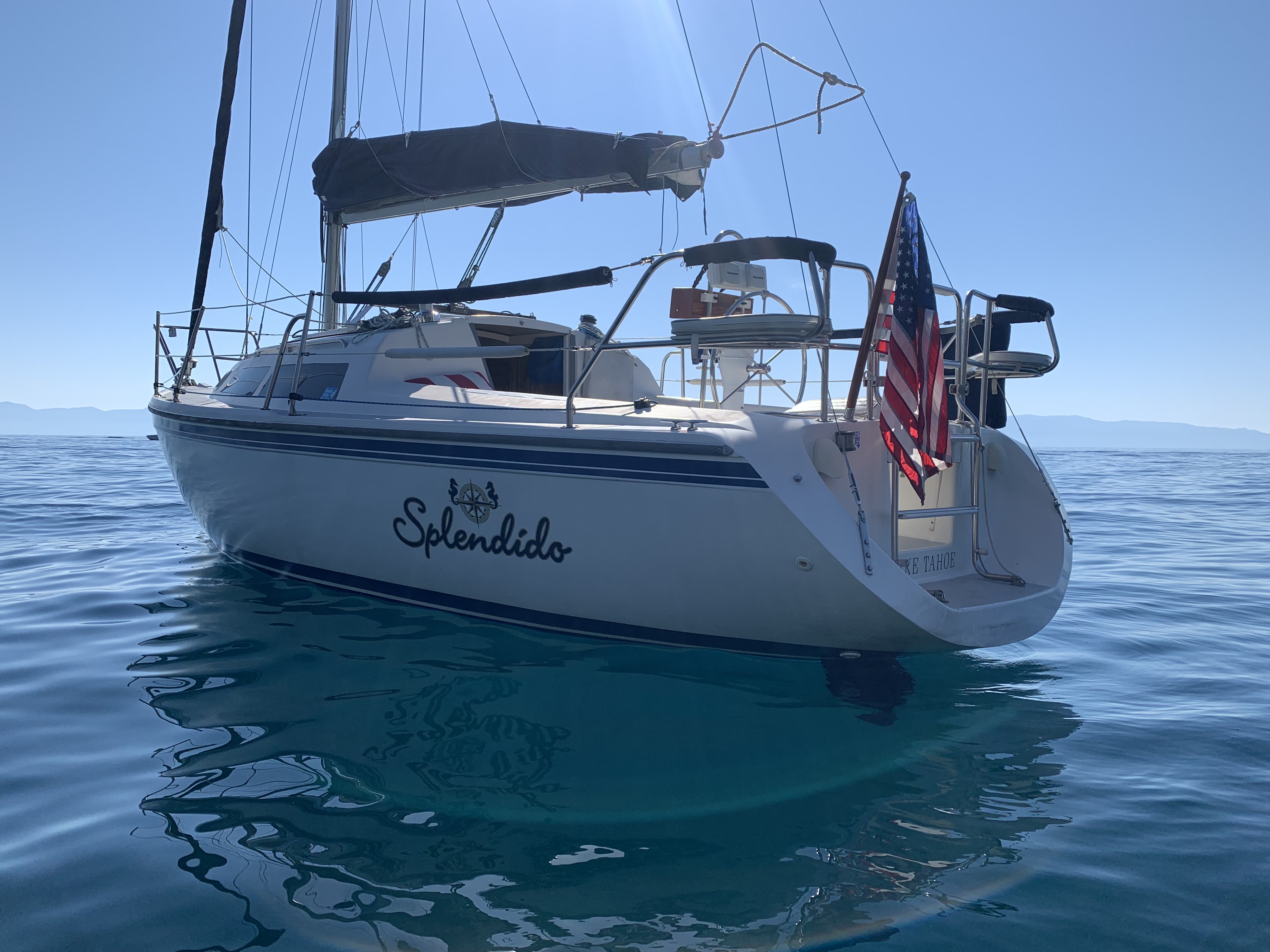
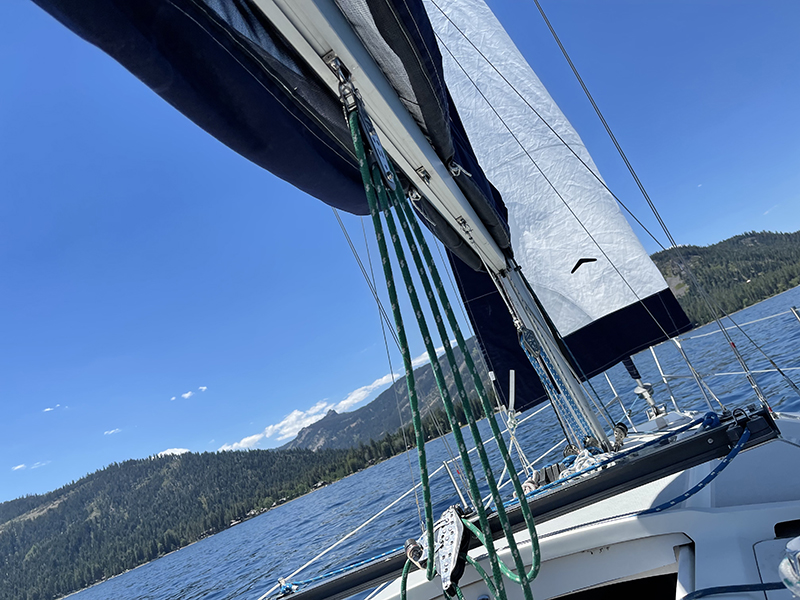
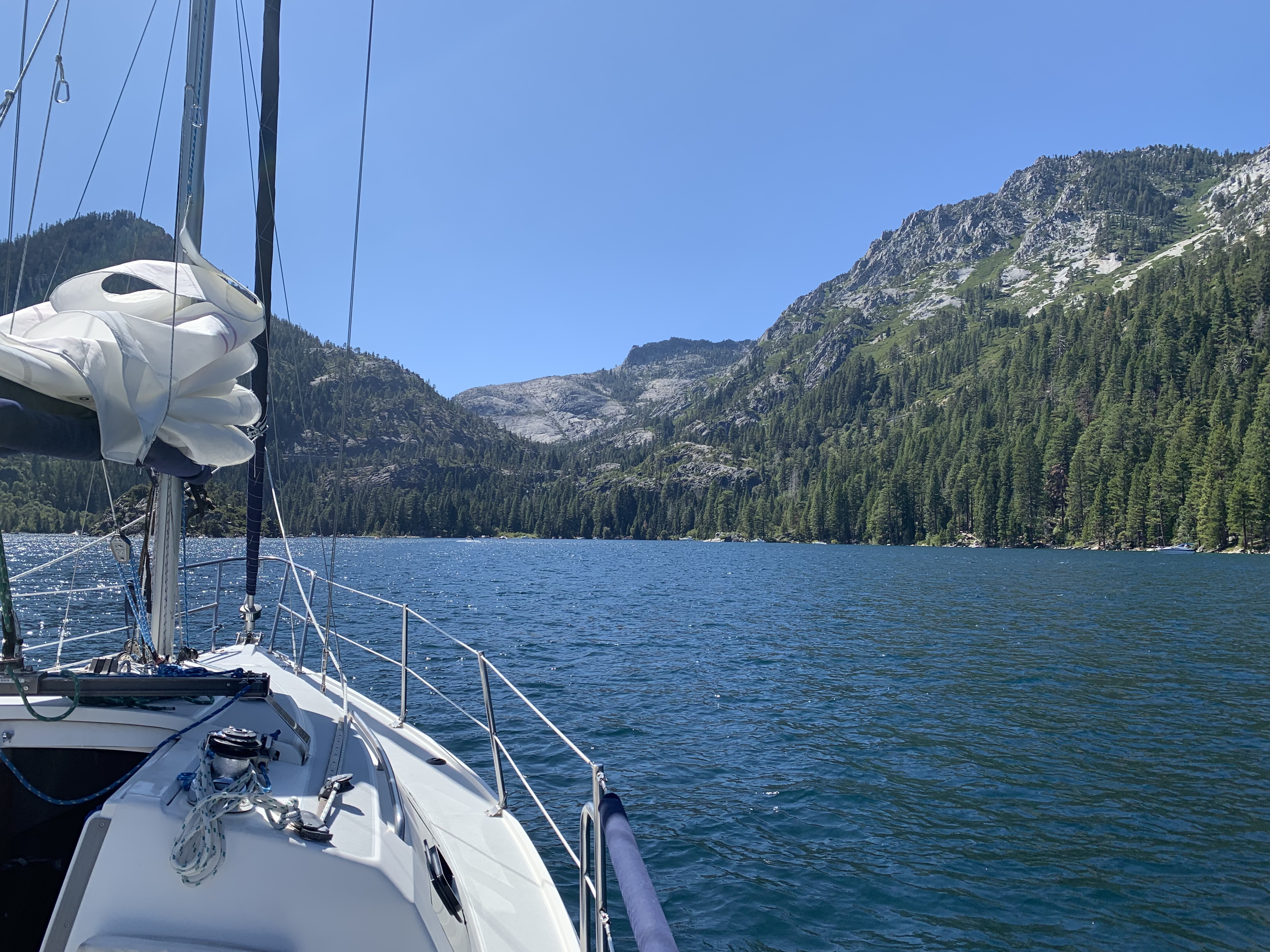
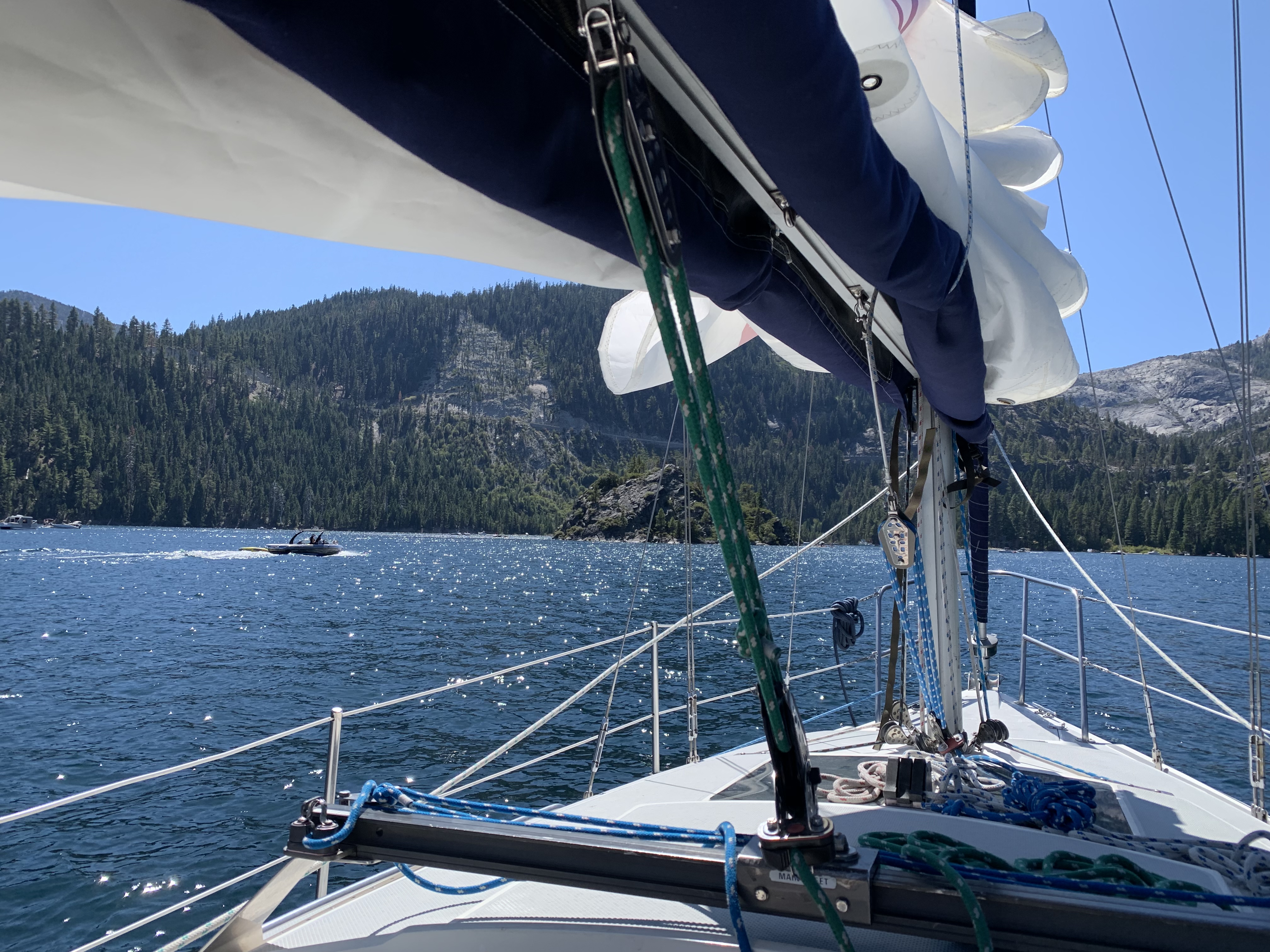
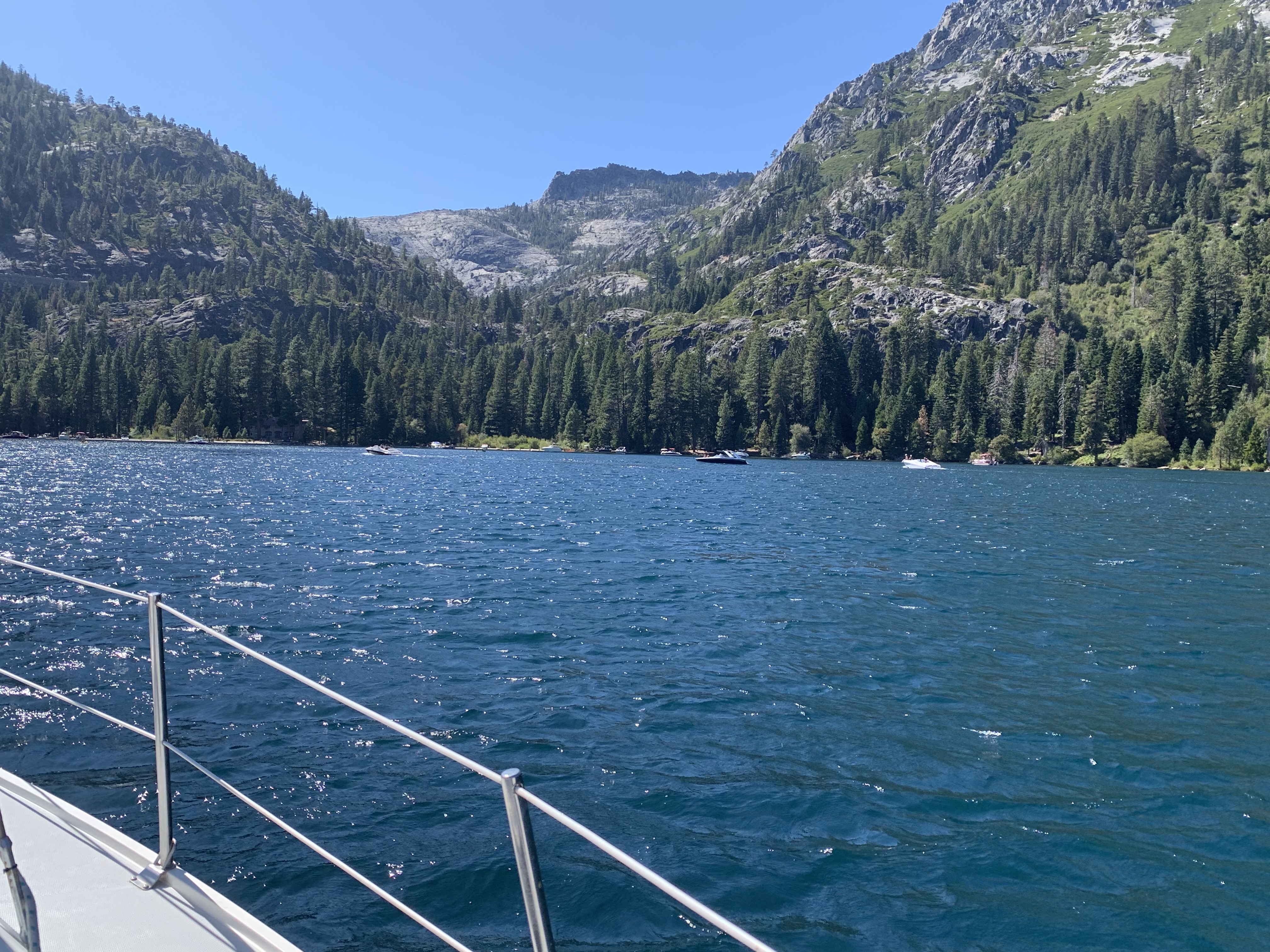
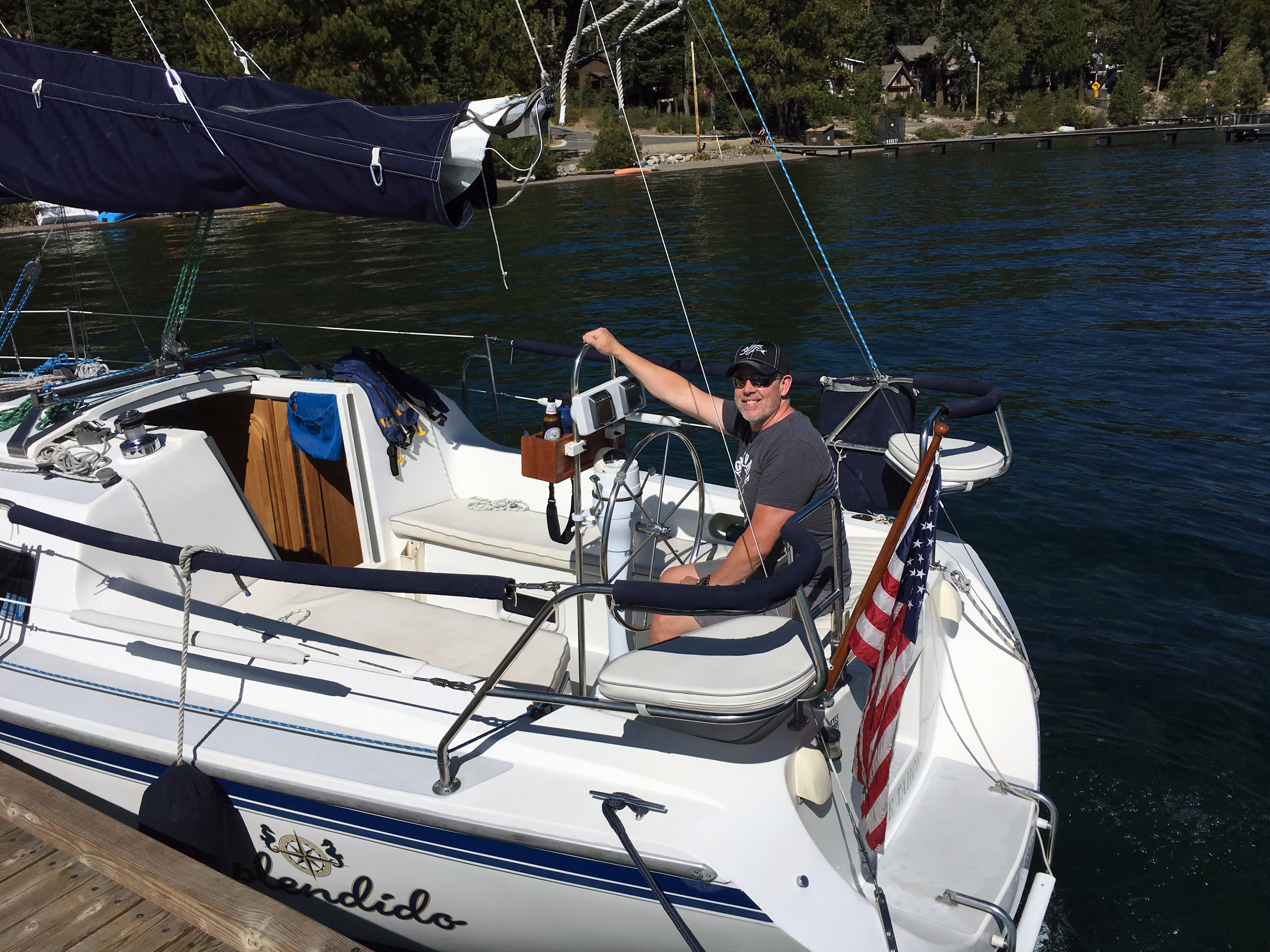
Not a lot of wind, but lovely to be out on Lake Tahoe (June 26, 2021).

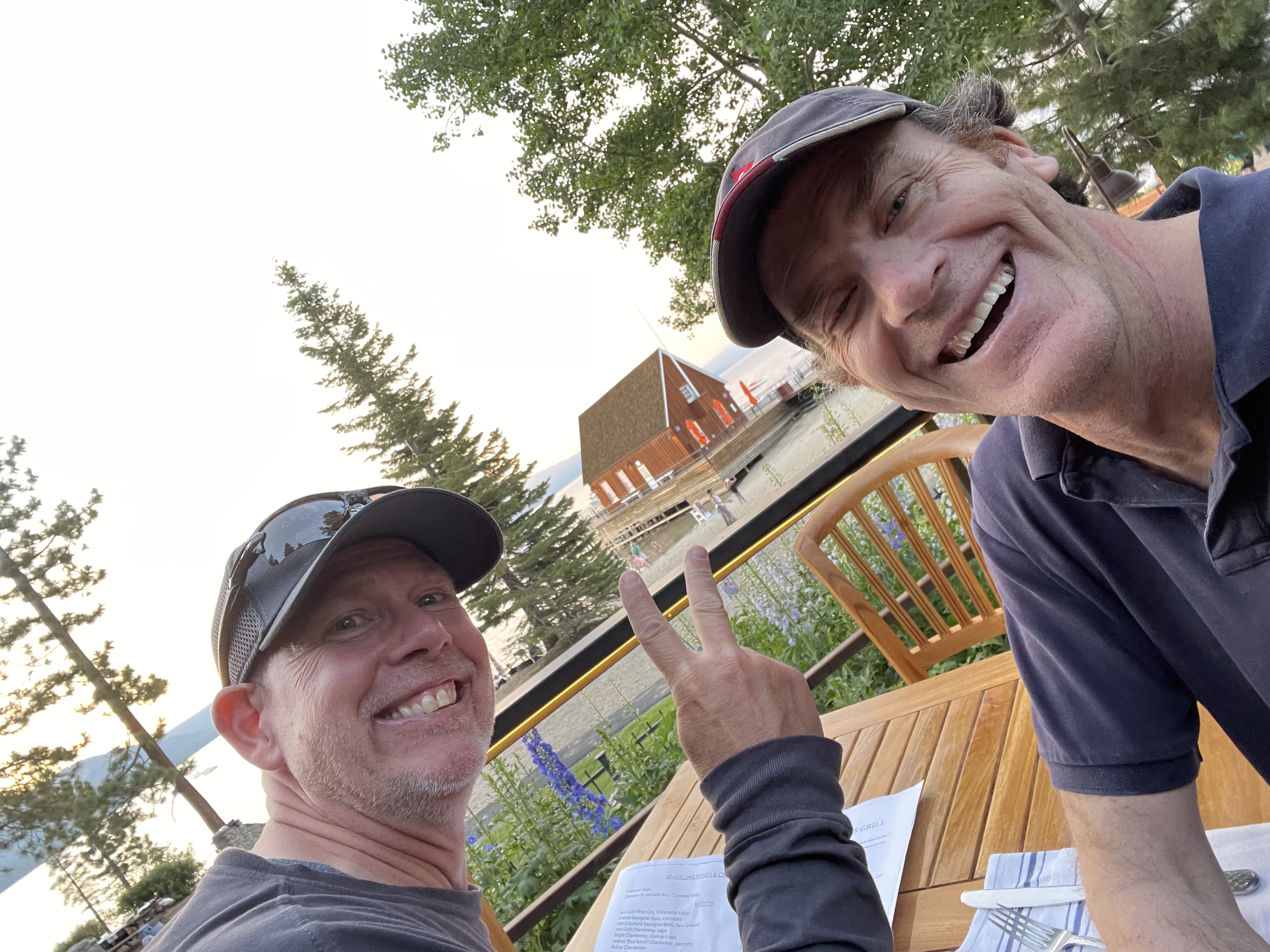
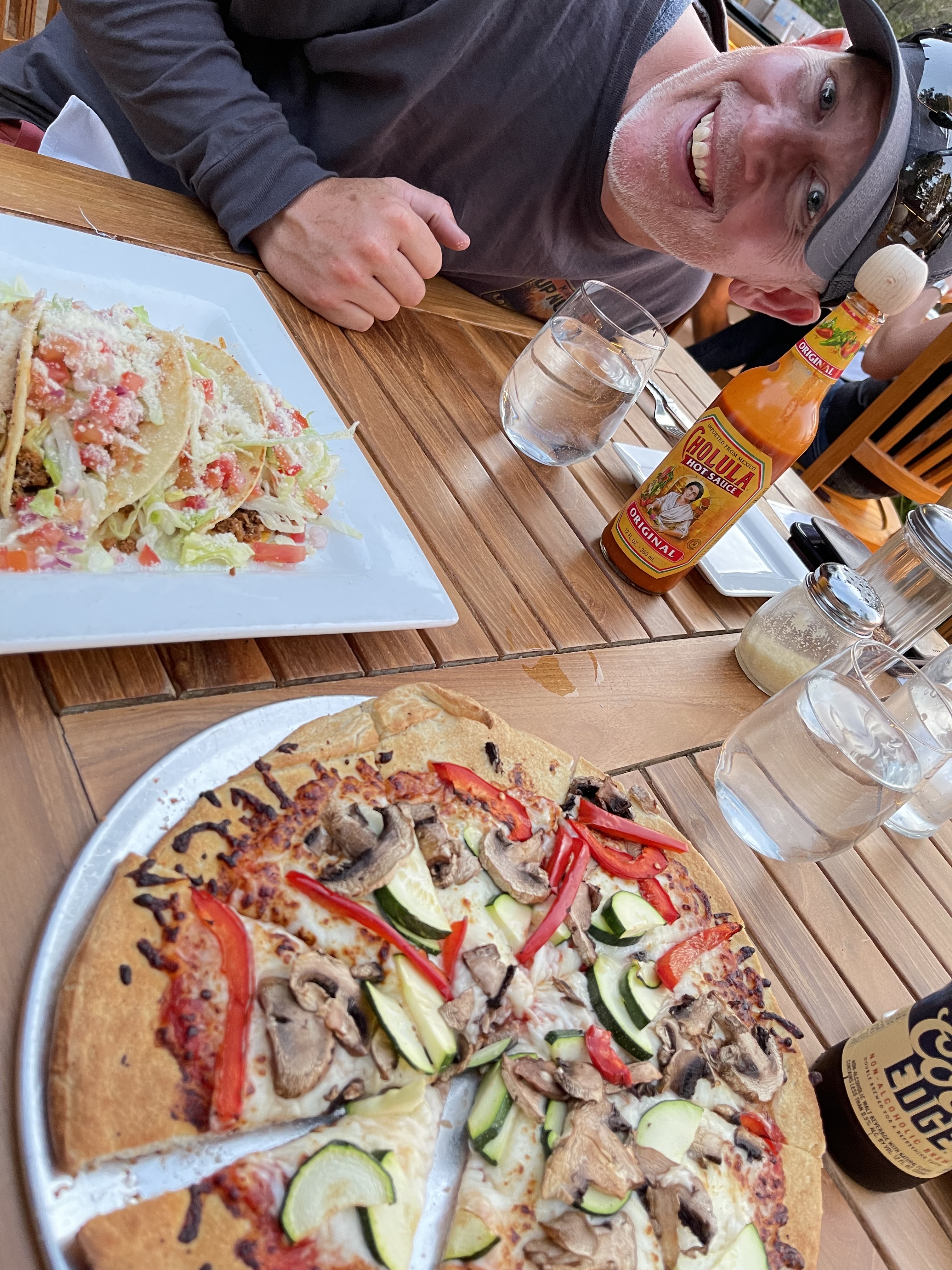
Last Saturday (June 26) dawned bright and clear, with high temps forecast (as all of our West Coast neighbors can attest), so I knew there wasn’t going to be a lot of wind. Debbie and I threw back some coffee and motored the mighty Prius up to Tahoe, where we loaded two full sailbags and two storage bins of cargo into our floating summer home. While Debbie put things away below decks, I replaced the turnbuckle on one of the shrouds (thank you, Pete Lewis of Tahoe Sailboat Service) and got out the Loos Gauge to tension the shrouds and stays, attached the reefing lines, then fixed a broken latch on the galley under-sink door. As my good friend Ancil Sigman says, it’s always something on a sailboat.

We motored out a 1/4 mile or so and set sail, but the winds were light and variable at about 2-3 knots, so we drifted hither and yon for about an hour and decided to get out out the sun and back on the hook. I fired up the Perkins Perama M20 and headed back to the mooring buoy.

When we arrived, Debbie said, “Hey, what’s that burning smell?”—five words you never want to hear on a boat. I jumped below and realized the engine had overheated. All the water in the reservoir had evaporated, and the smell was from the very warm rubber tubing. I vented everything as best I could, and after a while, gently opened up the radiator cap with a thick towel, as we’d only had the engine running about 10 minutes. A blast of steam came out, followed by a small eruption of rusty goo splattering all over the fiberglass above the engine.

Still cozy after all these years.

What I suspect happened was that the thermostat got stuck closed, maybe rusted from the long layup. After she cooled down, I topped off the reservoir with water once again and she fired right up, and I could feel from the sea water pump and the tubing that cold water was running through her once again. I ran it for about 10 minutes, and everything seemed to be OK. Nevertheless, I ordered a new thermostat from Trans-Atlantic Diesel and intend to put that in this coming Saturday morning—after first removing the old one and flushing out the water channels which likely got rusty/gunky during the long layup.

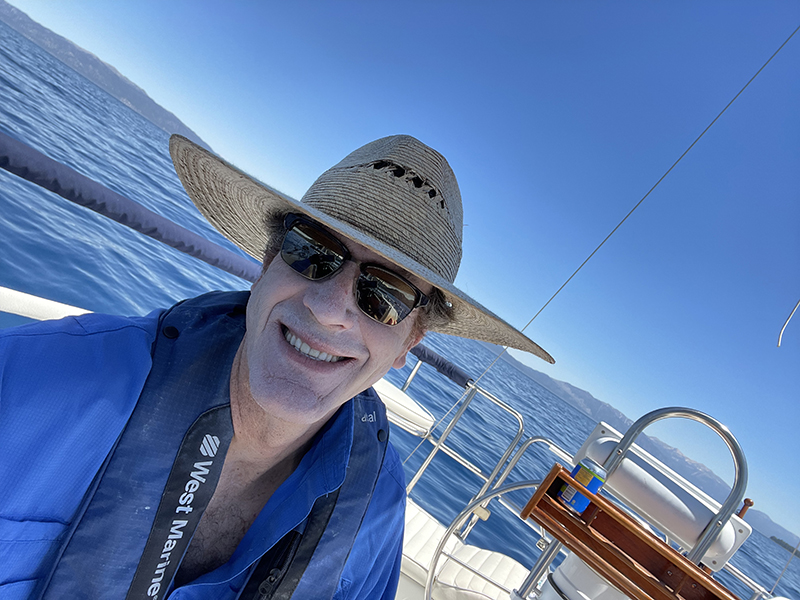
Still working on that sunscreen thing.

I always try to seize a victory out of the jaws of defeat, so one thing I am proud of was rigging a shade sail to keep us out of the sun when the boat was on the hook. I had a triangular woven “shade sail” from Costco ($29) and used eight WalMart carabiners ($12) to attach it to the boom, lifelines, and backstay for an excellent, airy boom tent that was just delightful to hang out under after the work was done. We lolled about for a couple of hours in the 85º F. heat, and I even pulled on my shorty wetsuit to take a dive, on the hunt for that dang impeller I dropped overboard (No luck as yet!). I’ll keep you posted.

Fair winds and following seas. DB

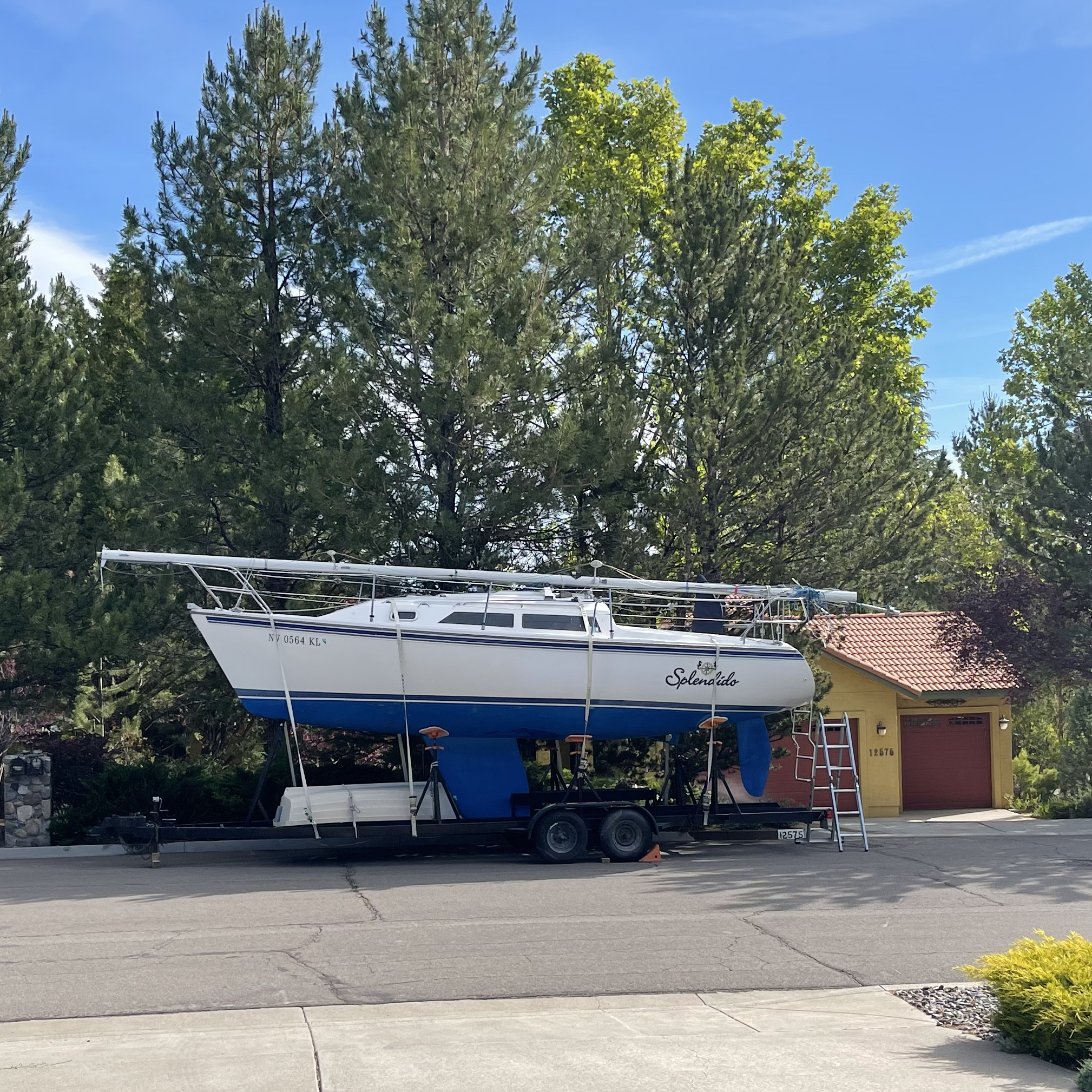
Getting the old girl ready to splash

Life is what happens while you’re making other plans. 😀 I had all but despaired of not being able to sail this summer because the influx of folks at Tahoe during the pandemic meant that buoys were scarce, and competition for them was fierce. After putting out feelers for buoys since February with zero results, Debbie and I had begun making plans to do other things—road trips to rural Nevada, hiking, biking, etc.—in lieu of sailing. Last Saturday, out of the blue, our old buoy owner reached out to say his neighbor had a buoy for rent, just 40 yards from where we’ve been moored for the past few years.

Now, the push is on to get the boat ready for launching next week. Fingers crossed—she is dusty and dirty and I have a list of 36 pre-sailing checks to do. I’ll shoot a little video to try to capture the fun.

I cannot express how excited I am to get out on the water again.

Fair winds and following seas! DB

Back in the Boatyard

Splendido is nearly 28 years old and it’s time for me to get after some refitting projects this winter. I am continually inspired by SV Delos skipper Brian Trautman (a fellow UW grad) not just for the cruising lifestyle but also for the hard work he puts in maintaining his 53-ft. Amel Super Maramu.

What I like best about the SV Delos video series—apart from the beautiful locales and fun adventures—is the accurate depictions about the amount of effort it takes to keep things ship-shape. So, duly inspired, I have a list of things I’m going to attack this winter:

  • Tailoring the lazy bag to fit the sail more snugly—hopefully with less windage
  • Checking all the standing rigging for signs of wear
  • Removing all the brightwork that needs refinishing and getting that done in the garage
  • Light sanding and repainting the trailer, which got pretty scuffed up in recent years
  • Changing the oil and filters in the Perkins Perama diesel
  • Polishing the fuel so it’s ready for spring sailing
  • Replacing the incandescent bulbs with more LED lights to reduce battery drain when boat camping
  • Repacking the rudder shaft stuffing box
  • When it warms up, touching up the gel coat
  • And a bunch more stuff I haven’t thought of yet.

A special shout-out to Ancil Sigman of Le Crapaud fame for letting me work on Splendido at his place this winter. Thanks, Ancil!

I’m also stoked to discover that Brian Trautman’s brother Brady Trautman and his partner Alex Blue (and their new rescue pup, Sharky) have settled for the time being at Lake Tahoe. They’ve launched a new business called Cruisers Academy and have a small fleet of Catalinas at Tahoe offering lessons for all levels. They are both accomplished scuba divers as well, and they’re offering dive adventures next year, starting with what looks to be an epic adventure for more advanced divers in the Galapagos Islands. As an SV Delos fan and supporter, I hope to see them out on the water in 2021. Welcome to the Tahoe sailing community, Brady and Blue (and Sharky, too)!

The pandemic—and my struggles with anxiety related to it—have got me thinking about how I would like to live my life with more adventure and fun in the future. I’ve decided to get a PADI Open Water Diver certification as soon as it’s safe, so hopefully I can participate in the Clean Up The Lake diving project in 2021. I’m also learning video shooting and editing to bring more short videos to this blog, so keep an eye out. I’ll start with simple GoPro videos about my projects this winter as I dip my toes in the water.

In the meantime, mask up, stay safe, and drop a note in the comments below about how you like the blog and what kind of content you’d like to see more of. As this crazy year draws to a close, Debbie and I wish you health, happiness and peace—and optimism for better days ahead.

Fair winds and smooth sailing. DB


Evening at Sugar Pine, Lake Tahoe

Flashback: Two Nights Boat Camping at Sugar Pine State Park

This slideshow requires JavaScript.

I just discovered this unpublished post from 2015, when the water at Lake Tahoe was really low and—in retrospect—something that seems so trivial compared with what we’re dealing with today. At any rate, a lovely weekend on the water with my two favorite girls.

Fair winds and smooth sailing! DB

Friend Ships: Zack Sisemore’s Catalina 22, “Love Boat”

One of my favorite sailboats on Lake Tahoe is Zack Sisemore’s Love Boat, a 1988 Catalina 22 sailing out from Tahoe’s north shore. In 2013, Zach and a gal he was dating at the time bought the boat from a California woman whose sailor husband had passed on, and Zack’s “barn find” turned out to be the sprightly sailing vessel you see here.

How bad did Zack want it? “I sold my grandpa’s old truck and my parachute to fund the boat. It was hard to part ways with Grandpa’s old red truck, which had about 315,000 miles on a twisted frame, but I figure Grandpa would be proud that it was going to help fund a sailboat.” he said.

Zack got the boat for a pretty good price, especially considering that it came with “an SUV full of sailboat stuff the owner’s wife had found in the garage in addition to all the stuff that was already in the boat. She also included a 4” stack of records, service manuals, and receipts, which tells me that this boat had been well taken care of,” Zack added.

But, as with all things related to sailing, there were hidden expenses that popped up along the way, including a snapped drive shaft on his dad’s truck that cost $700 to fix.

What impressed me most about Love Boat, though, was the way Zack immediately went to work figuring out how to repair a significant void in her wing keel, filling it with foam down to the lead and epoxy-and-fiberglassing it over and fairing it until she was as good (or better than) new.

Debbie and I see Zach and his friends cruising along in Love Boat a couple of times a summer, always with smiles as big as Tahoe and friendly waves as we pass. I look forward to getting back on the water when the pandemic is over, and hope to see this “friend ship” riding the Tahoe blue once again.

Q&A with Zack Sisemore, Skipper, Love Boat

Q: What do you love most about Love Boat?
A:
I love introducing first-time sailors to my boat. Teaching friends to sail is very entertaining! Watching someone’s eyes about to pop out of their head the first time they heel over brings me so much joy. Fumbling with the cleat hitch, oversteering through a tack, wrapping the winch counter clockwise are also comedy. But the absolute best is when the mistakes get cleaned up and seeing the satisfaction of friends beginning to understand sailing.

Q: What would you change about your boat?
A: The Love Boat will never be a perfect vessel but I’m happy with that. At the top of my list would be reupholstered interior cushions. Just a bit dated and falling apart. Next would be lighting. I don’t sail too much in the dark, but I need navigation and anchor lights. And lastly, my poor mainsail is on its last leg. Would love to go with in-mast or lazy jacks but doesn’t really make sense on the old girl.

Q: What was your most fun or interesting time on Lake Tahoe?
A: July 4, 2018 comes to mind. First time I took mom out. The wind was consistently blowing 15-20 knots. It was my mom’s first sail. I had the sails damn near touching the water for about 5 hours straight and not once did my mom seem uncomfortable or scared.

Another date that comes to mind is July 4, 2019. It wasn’t a sail, but my roommate Griffin and I lived on the sailboat at anchor for a week while renting out our house. We were both working long hours. No dinghy to get to and from the boat. We’d meet on the beach after work. Griffin would sit on an inner tube and I’d tow him out on the paddleboard with a rope connected to my ankle. Silly but fun.

Q: What was your worst experience sailing Lake Tahoe?
A: There was a lot of trial and error when I first bought the Love Boat as I had ZERO sailing experience and maybe 20 minutes on a power boat. The first couple of years, I didn’t have a buoy, so I had to launch the boat every time. I think it was summer of 2015 or 2016 and the lake level was very low, so I decided to launch at Obexer’s on an east wind day.

Well … Obexer’s boat launch faces east! It’s also a crowded fuel dock! Also, I had to launch alone as my now ex-wife couldn’t drive trailer or boat! So, in the chaos of it all, I launched, leaving my cell phone in the truck. Tied up really quick and moved the truck just outta the way. The waves were pounding the poor boat into the dock and the mast was swinging so hard the it too was hitting the dock, so I had to get the hell outta there. So here’s the scene: I’m circling the buoy field trying to give Sara instructions on how/where to park the truck. I have no phone, so I have to yell instructions as I’m circling around. There’s nowhere to tie up without beating up my boat. The guys at Obexer’s were not any help at all. After 45 minutes of circling, I tie up at the fuel dock, back the truck into the launch, and called it a day. Lesson learned: don’t launch in heavy water and if you do, have someone with you who can actually help. Your plan has to be bulletproof in heavy water.

Q: What would you tell people about Tahoe that they might be surprised to know?
A:  Lake Tahoe’s average depth of 988 feet is a shocker to most.

Fair winds and smooth sailing. – DB

Baby Needs A Bath

There’s nothing like a pandemic to make you rethink your priorities. Right now, our priorities are getting to the other side of this thing – and if that means keeping Splendido on the hard this summer, so be it. I’ll be working on the interior and fixing all the little things, and maybe giving this girl a bath. How are my fellow sailors holding up in 2020? Drop me a note in the comments and let me know how it’s going for you and yours. Mask up, stay socially distanced, and we’ll see you on the water when all this is over.

Fair winds and smooth sailing, DB

Once again to Emerald Bay

On Sept. 14, our last sail of the season, Jamie Filbin and I cruised down to Emerald Bay on a glorious Saturday morning. Lake Tahoe has rarely looked more magnificent, and we pretty much had the lake to ourselves as we made our way south about 11 miles to the entrance of the bay.

Before we set out, we pulled Splendido up to a nearby public dock and offloaded a bunch of stuff for the winter – spare anchor, chain and rode; pillows; blankets and linens; kitchen supplies and bathroom décor; basically, anything that wasn’t nailed down. To me, it always feels like Splendido springs to life when she’s lightened of all the boat-camping gear. She’s a little livelier, a little more “yar,” as they say.

When we got to the entrance of Emerald Bay, it seemed like every boater left on the lake had had the same idea. These photos don’t show it so much, but there were dozens of boats hanging around Fannette Island, anchors down, girls sunning themselves on the backs of speedboats, guys trolling around, admiring the scenery.

The wind came up and we had a strong sail back north with the wind on the quarter. We averaged 6 knots all the way home, and Splendido sailed like a champ.

Once we tied up, Jamie and took off the sails and boom and stored them below for the winter ahead. I’d scheduled a pull-out later that week, so this was the last hurrah for the season.

Grateful for every day on the water, and for friends to share it with.

Fair winds and smooth sailing, until next time. DB

Mystery of the Missing Coolant, Part II

My buddy Jamie and I spent a couple of days doing a complete rebuild of the heat exchanger on Splendido’s 1993 (British) Perkins Perama diesel engine. We were losing coolant; we thought the season was over; and we weren’t sure we could fix it because frankly, they don’t make some of the parts anymore. In the end, we got it fixed – and this is the celebratory sail.


The upshot of the whole heat exchanger exercise, I realize now (with chagrin) was that the heat exchanger unit wasn’t really broken at all. Three weeks of working on it and nearly a thousand dollars in parts later (don’t get me started on that account), I have come to the realization that this was a classic case of attribution error: Yes, the coolant level was going down every time we sailed, and yes, the hot water heater wasn’t heating water for the boat after a long session of motoring. But after tearing into the systems in the back of the boat over a period of three weeks, I discovered that 1) the hose connecting the engine to the hot water heater had come off, so no water was going into the hot water heater, resulting in (you guessed it) no hot water. Secondly, since I had the opportunity to become intimately familiar with the heat exchanger tank and element over the course of tearing it down three separate times, and getting a better understanding of the way the impeller forces water through it, it dawned on me that replacing the heat exchanger element didn’t improve the situation of the coolant dropping every time the engine was run. The thing just seems to lose water to the level of the lowest point of the heat exchanger element when the engine runs. Keeping a close eye on the thermostat, however, shows the engine staying right at 140 degrees, even on long motors of an hour or more. I’d be open to hearing from anyone who has experienced a similar situation with their Perkins Perama M20.

Fair winds and smooth sailing. DB
perama-heat-exchanger

Update October 2022: Oh, FFS! The solution was staring me right in the face all along.

For those just tuning in, the backstory is this: When I first bought this sailboat, the guy I bought if from said, “Oh, by the way, you have to add a little water (a pint or more) to the radiator every time you start up the engine.” So, since October 2010, that’s what I did. Apart from being a pain in the behind, though, I alway had this nagging feeling that something wasn’t quite right about that. But it seemed to work, and I was intent on sailing, so the years rolled by.

But that nagging feeling never quite went away. So diving back into this fall, and after doing some research (actually reading the frickin’ Perkins M20 user’s manual thoroughly for once!) I thought the real problem with the missing coolant might have something to do with not having coolant in the reservoir underneath the galley sink (a related part of the solution, as it turns out), but there’s more to the story. 

I also thought, after reading up and studying the “caps” on the end of the pipe stack, that the assembly might be missing O-rings on each end (are there supposed to be O-rings?, I thought), to better seal the caps to the tube stack. I was getting closer. 

My new best friend and role model Ancil (the fellow sailor who lets me keep my boat in his pasture in the winters and a very mechanically inclined guy) came aboard as I was winterizing Splendido the other day, and I told him what I was up to, and then he said, “let me take a look at the engine.” I had already opened everything up, so I invited him into the cabin and he started examining the engine front and back. 

It Was Missing a $2 Hose Clamp on the Exhaust Side, Dagnabit!

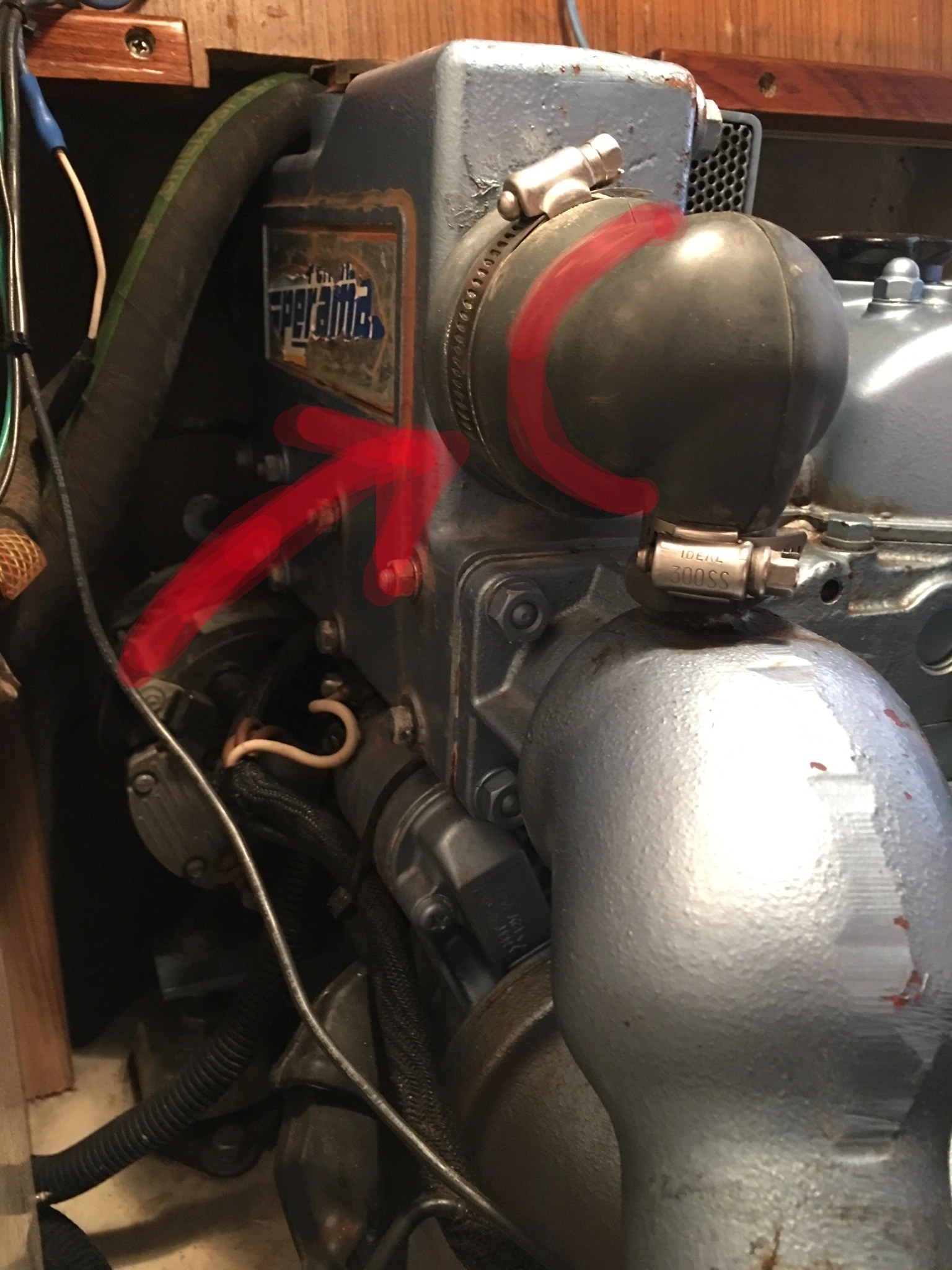
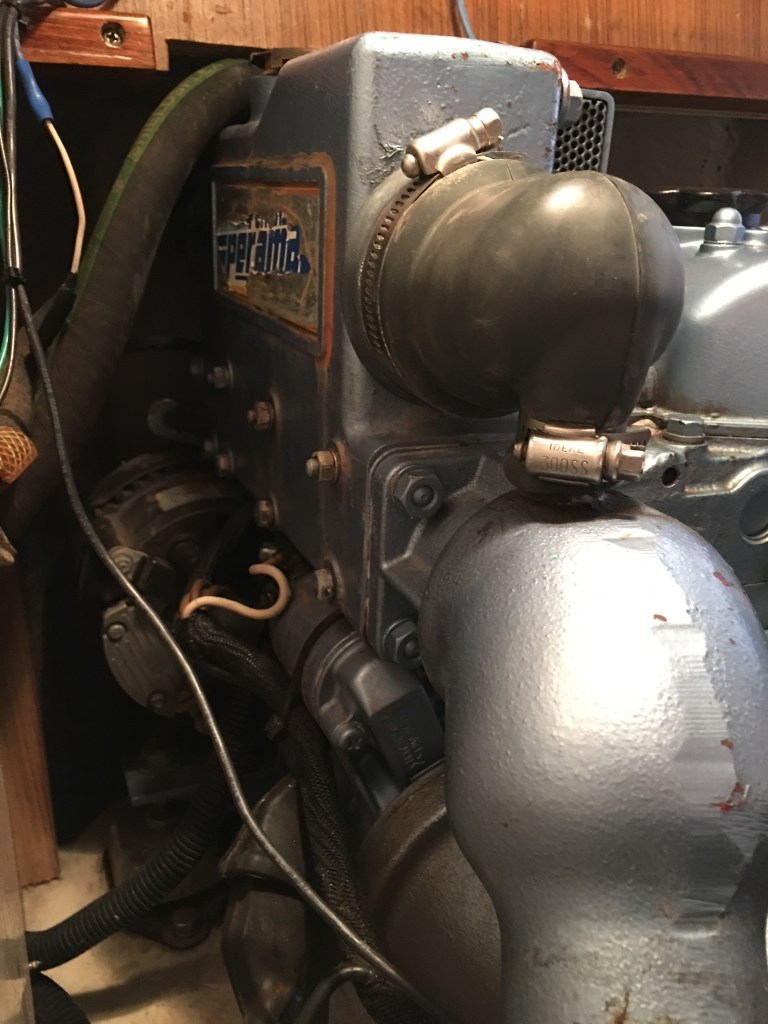
At length, Ancil noticed something I hadn’t noticed in all the years I’ve owned the boat: the “cap” leading to the exhaust only had one (1) stainless-steel hose clamp instead of the requisite two (2) hose clamps — the missing hose clamp was the one that encircles the tube stack itself — so this oversight was allowing the cooling lake water and the radiator coolant water to blow right out the exhaust. (Fortunately, since we only sail four months in the summer, I have only been using tap water as coolant all these years because I didn’t want any antifreeze going in the lake. I just drained all the water out of the engine’s water course when winterizing every fall.)

Ancil tossed me a $2 hose clamp and suggested I get a wire brush (and maybe some steel wool) to brush away the corrosion on the male ends of the heat exchanger housing where the caps connect, and also using some dielectric grease applied to the rubber caps to help in sealing those to the heat exchanger. Then, tighten tighten tighten the hose clamps (all four, in this case) — especially the one exiting the tube stack, and that should fix things.

So, that’s what I did. Then, I topped off the tank with real 50/50 mix coolant (after gently hammering the rim where the radiator cap sits into perfect flatness, as it looked a little high on the front end), attached the fake-a-lake hose to the seawater intake thru-hull, and fired up the Perkins Perama diese engine. I let it run for about 30 minutes to get it up to temperature, then went full throttle for about 4-5 minutes on Ancil’s advice, to blow out the carbon that had built up in the engine. After shutting it down, I came back the next day and opened up the radiator cap, and voila: the coolant was filled right to the rim. For. The. First. Time. Since. I’ve. Owned. The. Boat.

Yes, folks, the Mystery of the Missing Coolant is finally — and somewhat embarassingly — solved.

The red semi-circle shows where there should have been a stainless steel hose clamp right over the exit of the tube stack for all these years.

Addendum: Filling the Undersink Coolant Reservoir

I should note that, before Ancil showed up, I filled up the coolant reservoir (no easy task — for starters, it’s incredibly hard to reach, as it sits on the aft wall underneath the galley sink, and it is quite high up. Access is through the cupboard door below the sink, so it took some serious contortions to get coolant into it. I started putting it in cup by cup, but then took a stab at slithering the 1-gallon jug throught the hoses and gently angling it toward the top opening. My back was beginning to ache, as was my core, so I grabbed the life sling bag and used that to cushion my backside. Ever so slowly, I was able to get the jug’s mouth over the reservoir opening and fill it about 2/3 of the way up. (Hint for next time: Use a sports bottle or get a shallow funnel to catch the spills.)

Happy to Take One For the Team
A lot of folks wouldn’t even admit to making such a bone-headed mistake as this one with the missing hose clamp, but if it helps even one sailor out there fix a similar problem, then I’ll take the hit and be happy that someone else doesn’t have to go through the same hassle as we did. Occam’s razor, folks: The simplest solution to a problem is the most likely solution. Painful lesson learned.

Fair winds and smooth sailing. DB

The Mystery of the Missing Coolant

I don’t think my fellow sailors are scouring the internet to find out about heat exchangers on sailboat engines, but at the moment, I find myself dead in the water for the past three weeks because our trusty little Perkins Perama M20 diesel engine is under repair. Why, you ask? Well, because it was losing coolant at an increasing rate – a pint or more between sailing outings – and I couldn’t figure out the reason behind it.

The heat exchanger housing is on the left, where you add the coolant water.

Now, Debbie and I have owned Splendido since 2010, and it seems like she was always losing a bit of water level in the radiator since the very beginning. I attributed it to maybe a loose radiator cap or Tahoe’s high altitude (you never really notice yourself sweating here on warm days – our low humidity just seems to wick it out of you). But there was no sign of leaks on the outside of the engine, and no water in the bilge. It was a real head-scratcher, but I didn’t particularly worry about it until recently, when it seemed to be losing more and more coolant.

This is a close-up of the beast.

When I noticed that the coolant level seemed to be dropping to a larger extent between sails, I began to investigate the problem on the internet. After all, Google knows everything, right? 🙂 A couple of other sailors reported a similar situation, and what seemed to happening is that there might be an internal leak where coolant was being flushed out with the seawater exhaust.

Perkins Perama M20 heat exchanger housing and gasket
The failing Perkins Perama M20 heat exchanger, extricated.

After scouring the Perkins Perama M20 service manual, I decided to email my friends at Trans Atlantic Diesels and find out what I was getting myself into. They assured me that it was a very simple exchange of parts, and they would ship a replacement kit out right away. Thus emboldened, I went to the boat to see about extricating the failing heat exchanger. Now, the working area around the engine in our Catalina 270 is tight, to say the least. I have extra large hands, which makes things even more challenging. Finally, at my stage of life, I need to wear readers to see just about anything close-up, so tearing into an engine in dim light with these constraints had me losing a little coolant as well.

You want a fairly calm day to engage in engine work below deck.

I removed the four bolts that attached the exhaust manifold and the eight bolts that held the heat exchanger onto the side of the engine. Gently tapping and cajoling the liberated unit enabled me to get it about an inch free of the engine, but something was holding it back. Feeling around in the dark, I detected a small hose at the base of the unit. I managed to get the hose clamp off of that – and still no further movement. I didn’t have one of those mirrors-on-a-stick on board, so I decided to remove the alternator to get better visibility into the problem. Once the alternator was off (which took some doing), I could see that it was the housing of the starter that was impeding the heat exchanger from coming completely off. The starter motor is held by two fasters – one of which is a 13 or 14mm bolt. The other fastener, at least on this model, required an 8mm allen wrench – which I didn’t have on board. It was getting late in the day, so I cleaned up everything and drove back to Reno (43 miles) and picked up a full set of metric allen wrenches. (Note: I suspect this is the only fastener on the entire boat that requires an allen wrench.)

The Perkins Perama M20 uses the AM-420 heat exchanger.

The next day I drove back to take another crack at the starter motor, and voila! – the heat exchanger came off as easy as kiss my hand (to paraphrase Captain Jack Aubrey of Master and Commander fame). As luck would have it, though, I then realized that Trans Atlantic had sent me the heat exchanger kit for the Perkins M30, which is a larger engine for a larger sailboat. (A friend later joked that I should’ve called them up and asked for the rest of the sailboat that comes with the M30 engine, as a way of making up for the shipping error. 🙂

Alas, first-world problems. I reconciled myself a long time ago that all this stuff is just part of sailing, and that the joy you get from sailing is only enhanced by the effort it takes to get out there. If it was easy, anybody could do it, right? 🙂

I texted Sheri at Trans Atlantic to get the exchange of parts set in motion, and then dove into 68º F. Lake Tahoe and swam around the buoy field for about a half-hour before I packed up and headed home. Whether it all comes together before summer is over will be the next chapter in this odyssey. Stay tuned!

Fair winds and smooth sailing. DB

What boat is that?

Last season, Debbie and I were boat camping off of Sugar Pine State Park on Tahoe’s west shore one day when an elegant couple aboard a beautiful gray-hulled Beneteau pulled alongside, asking if we were part of the Tahoe Windjammers Yacht Club. We replied that we weren’t, and off they sailed.

For months afterwards, we wondered what length and model that beautiful boat was. This summer, after one particularly uncomfortable, sleepless night where we both became claustrophobic in Splendido’s modest sleeping berth, our conversation turned to the idea of exploring what having a larger boat – with larger sleeping quarters – might look like.

“Well, let’s figure out what model that good-looking Beneteau is, and we’ll start there.” I offered, feeling guilty for even broaching the topic, as we have worked so hard on and just adore our own lovely Splendido. Soon, however, Debbie and I were surfing the internet trying to find an image of a gray-hulled Beneteau. After a little Googling, Debbie found a photo of it sailing on Lake Tahoe on the Tahoe Windjammers website, so I contacted the Windjammers to see if they could tell me what length and model it was. After a laughably difficult email exchange with the Windjammers’ web guy – who I suspect thought I was a web scammer – I got an email from the Beneteau’s owners, Leon and Patricia Malmed.

Leon, an engineer who had a very successful career in Silicon Valley and who is also a Holocaust survivor and published author, said the boat was a 2013 Beneteau Oceanis 34, and graciously invited us to visit sometime to take a look at their boat, Mon Amour.

Because the smoke on Tahoe from the terrible California wildfires had shut down our sailing for nearly a month, we were happy to drive to the south shore to indulge our curiosity. Although we had hardly met, Patricia and Leon welcomed us with open arms, and surprised us with a sail aboard Mon Amour. She proved to be a sweet sailer with a striking black North 3DL headsail, beautiful on deck as well as below.

We spent a delightful afternoon talking about sailboats, Lake Tahoe, and life, and it was a superb pleasure getting to know these lovely people. After docking and chatting a bit more, we bought one of Leon’s wonderful books and parted, enriched by the experience and the rare gift to spend time with our new-found sailing friends.

Afterwards, Debbie and I drove along the west shore to Tahoe City and capped a great day by stopping at Wolfdale’s for their amazing smoked trout, Caesar salads, and drinks. We got to chat with Chef Douglas Dale briefly to congratulate him on 40 years in business before we headed down the hill and home again.

Fair winds and smooth sailing. DB