The Seiche Phenomenon at Lake Tahoe

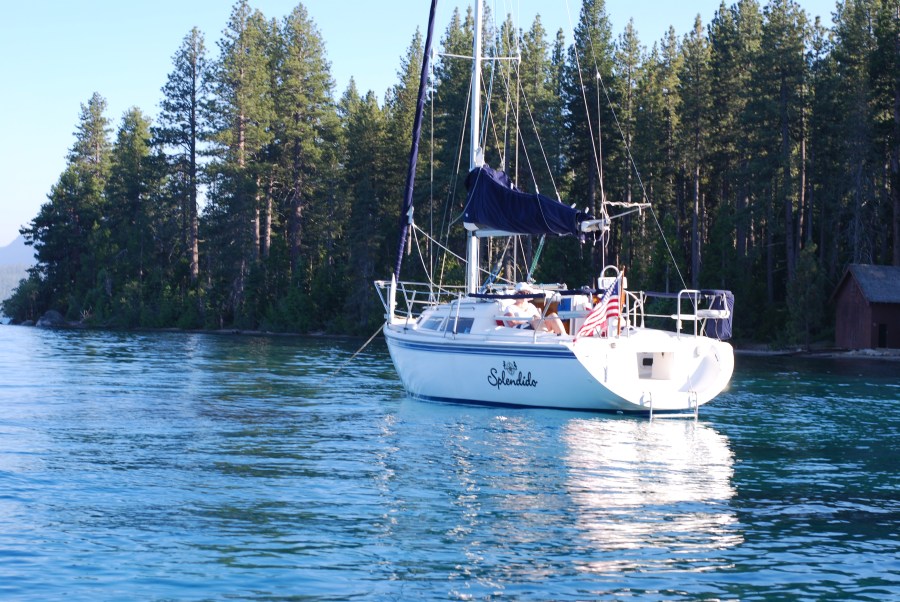
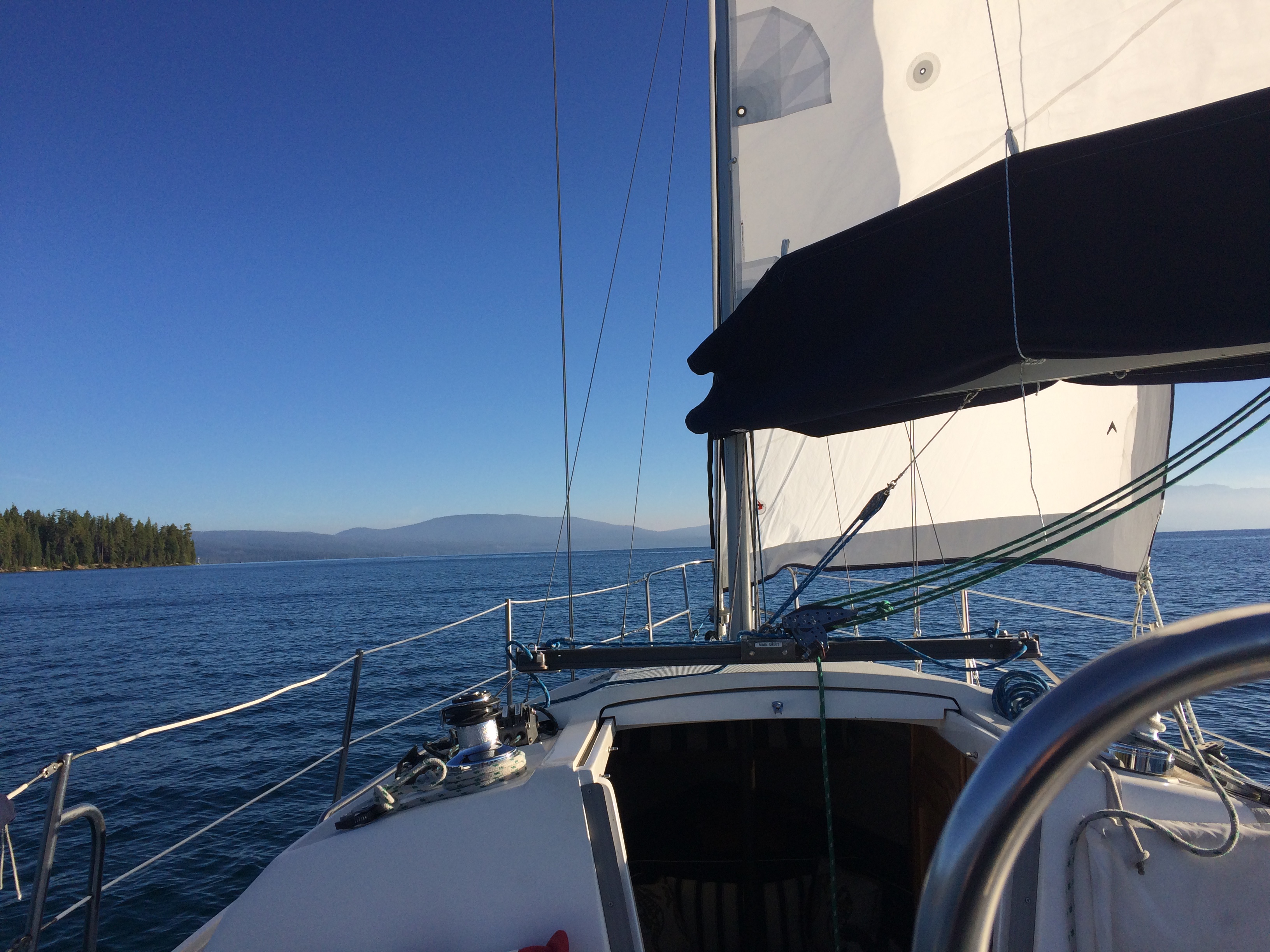
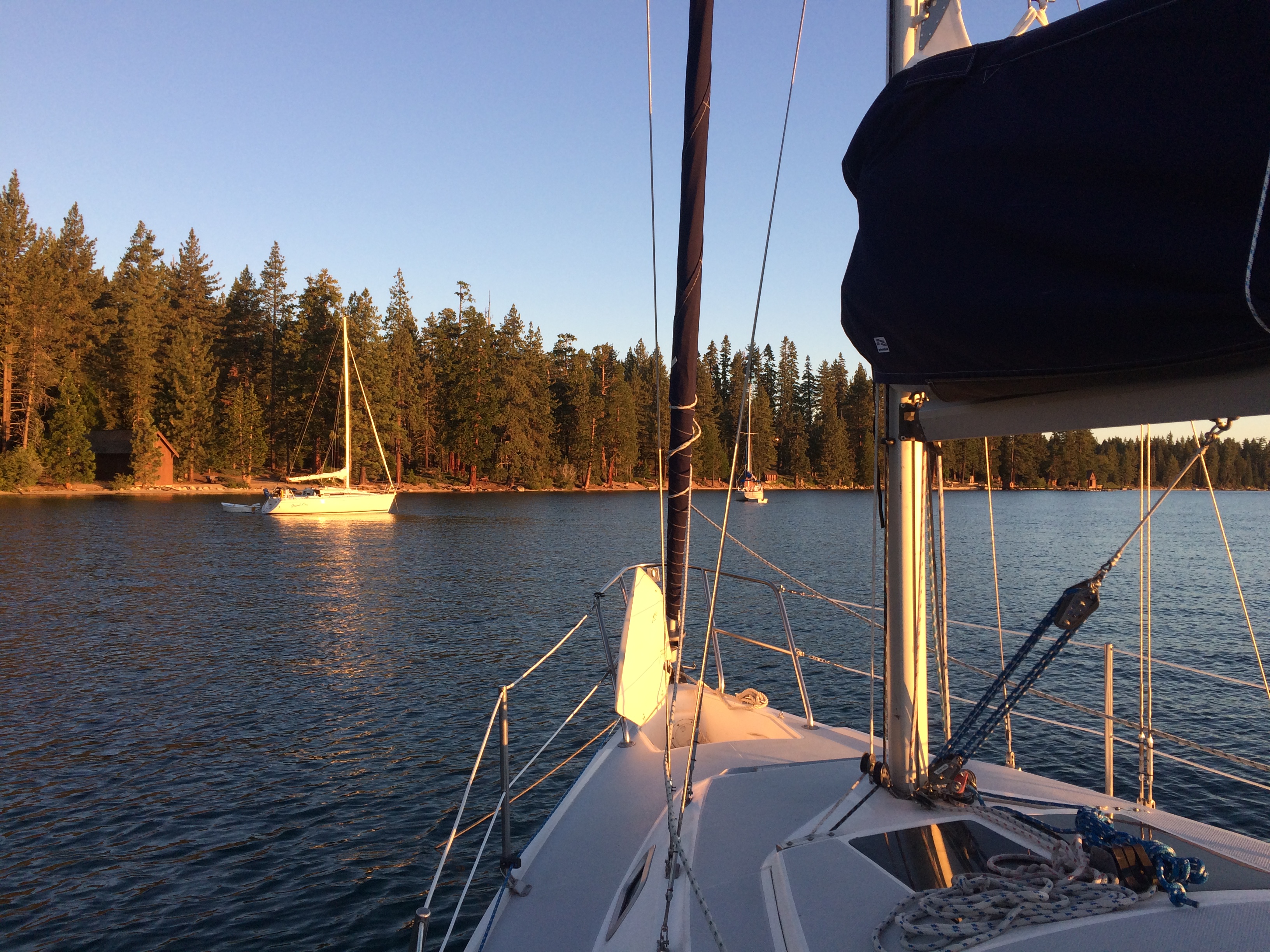
Sleeping aboard a sailboat on a calm summer night can be one of life’s simple pleasures. For me, that typically means setting out two hooks in a V-configuration, just to have that extra sense of security, and arranging sheets and halyards to minimize noise in the rigging. I flip on the masthead light and settle in, feeling the residual roll and heave you can expect when speedboats have been out on the lake all day. After an hour or so, these swells flatten out, and slumber is deep and satisfying. Until, that is, there’s a major bump in the night, and you bolt out of bed to see what’s going on.
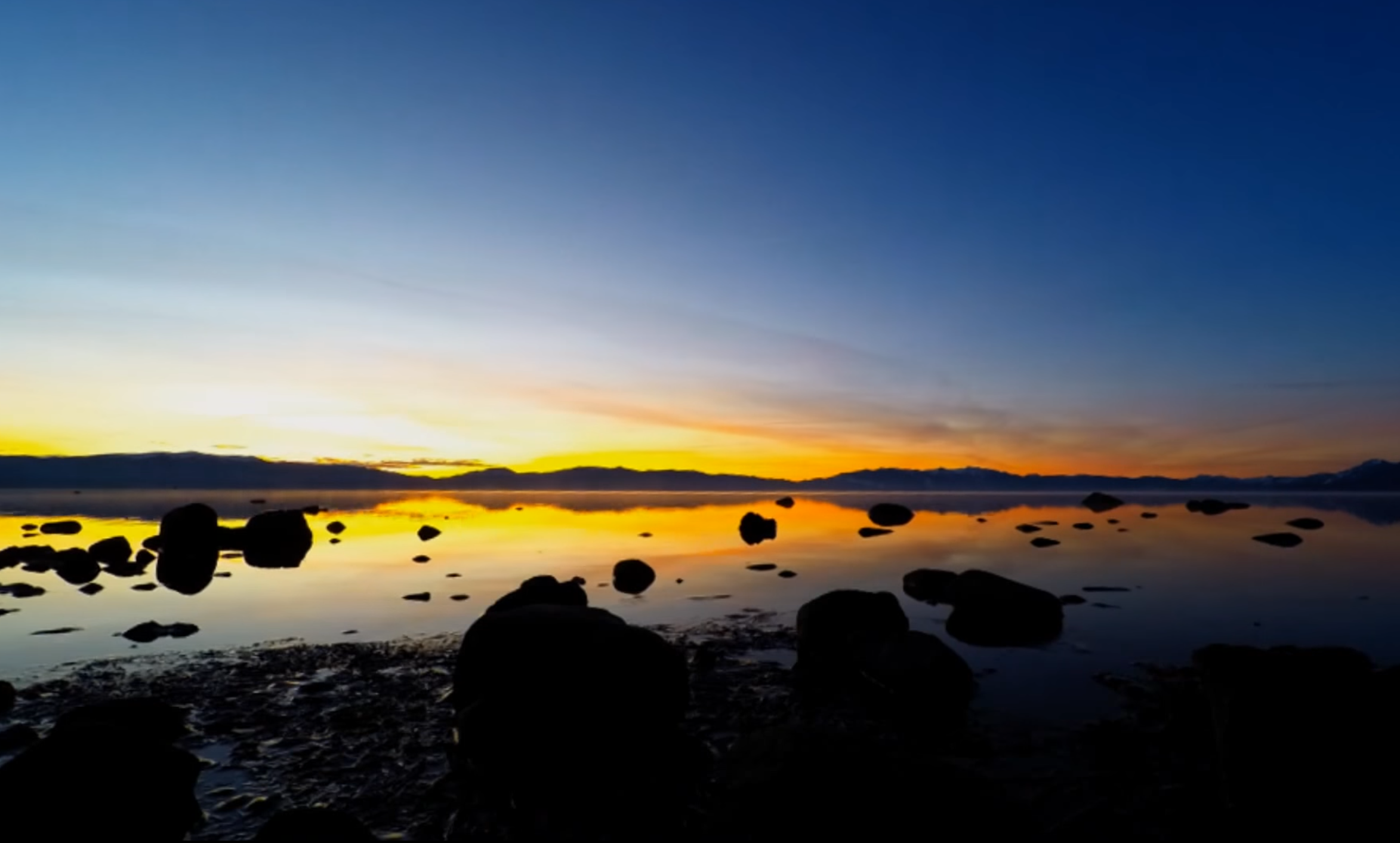
(c) laketahoeG/The Dam Café @ Lake Tahoe, 2016.

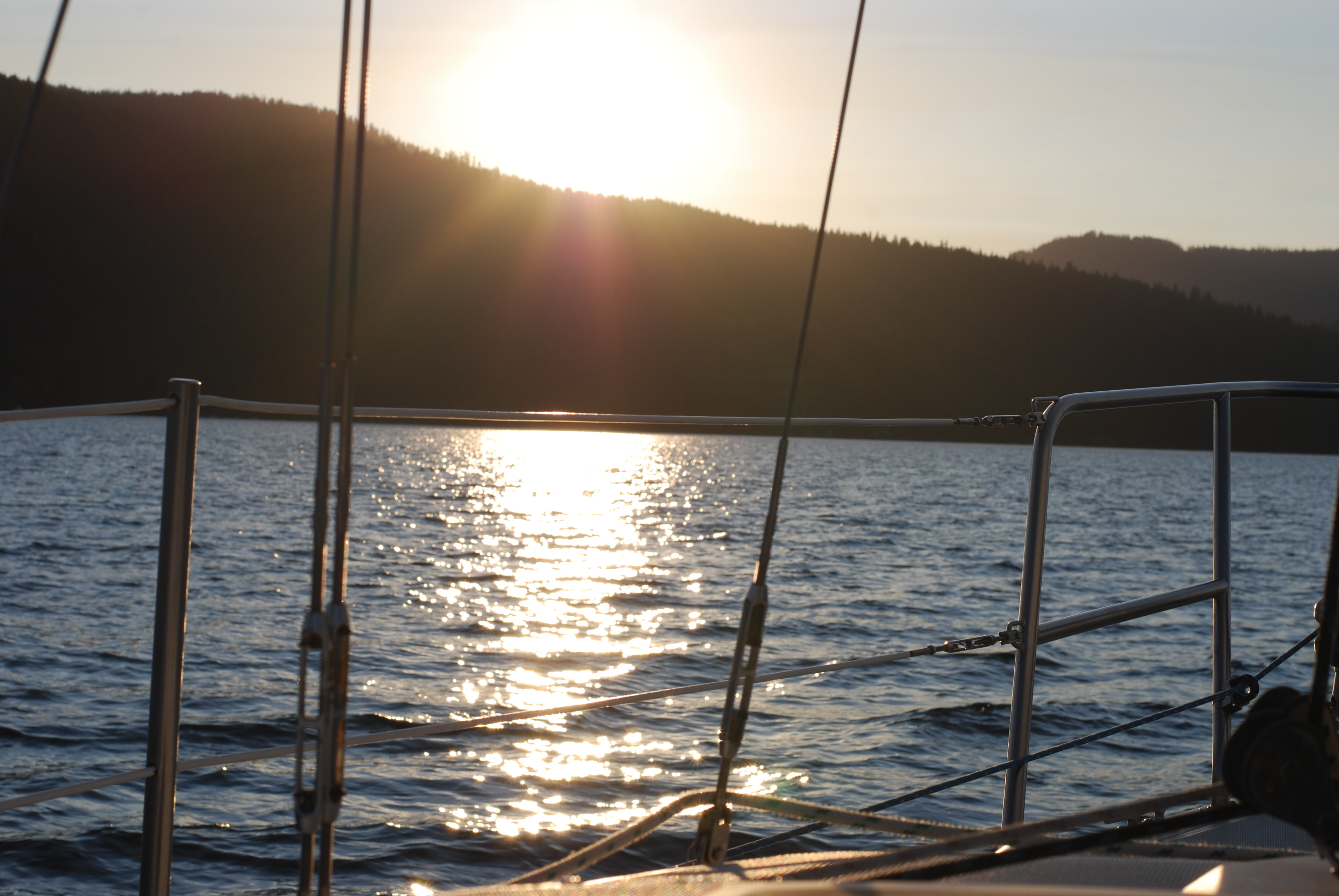
That’s what happened last summer around Labor Day. Debbie and I were boat-camping along the west shore of Lake Tahoe when, at about 2 a.m., I felt a dramatic rise and then fall of the boat. About 8-10 seconds later, there was another. When you’re sleeping, this change really grabs your attention, because you have the sudden and somewhat unpleasant sensation of falling.

I rolled out of the aft berth and climbed up on deck. In the moonlight, I could see a set of widely spaced, two-foot swells coming our way out of the northeast. The distance between the crests seemed like about 20 or 30 yards. In my fogginess, I was wracking my brain to think what would cause these swells on this calm and windless night. I began to think that maybe there had been a localized earthquake that caused them, but a quick check of my mobile news feed shed no light on that theory.

After discussing the phenomenon with a very sleepy Debbie, I decided to bundle up with a blanket and sit on the lazarette for a while to watch and see if anything changed. For more than an hour, this line of swells kept coming, never varying in wave height or wavelength. Staring out across the water, I eventually relaxed a bit and decided to go back to bed, visions of tsunamis put to rest. But I was still curious, so the next day I did some research and discovered seiches, or standing waves peculiar to bounded bodies of water like Lake Tahoe.

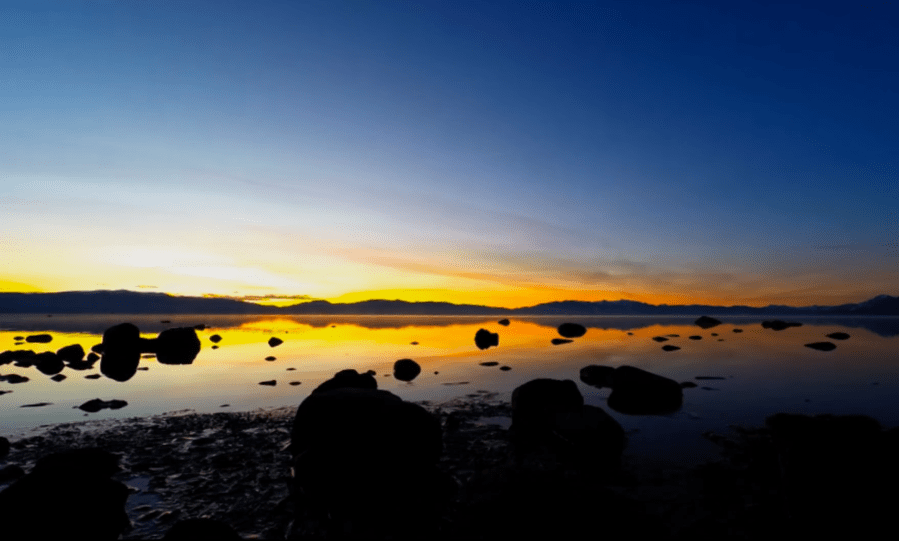
I knew from listening to the news earlier that day that there were high winds predicted out over the Black Rock Desert – about 100 miles north of Lake Tahoe – as the Burning Man Festival was happening, and burners were advised to shelter from the blowing dust on the playa. Lake Tahoe is pretty big – about 22 miles long – but evidently the low pressure acted on the northeast end of Lake Tahoe and set up the standing wave known as a seiche. Here’s a beautiful video posted by The Dam Café of Tahoe City that captures the essence of Lake Tahoe’s seiches. Just knowing that the seiche phenomenon is a “thing” will help me rest a little easier.

Fair winds and smooth sailing! DB

Mystery of the Missing Coolant, Part II

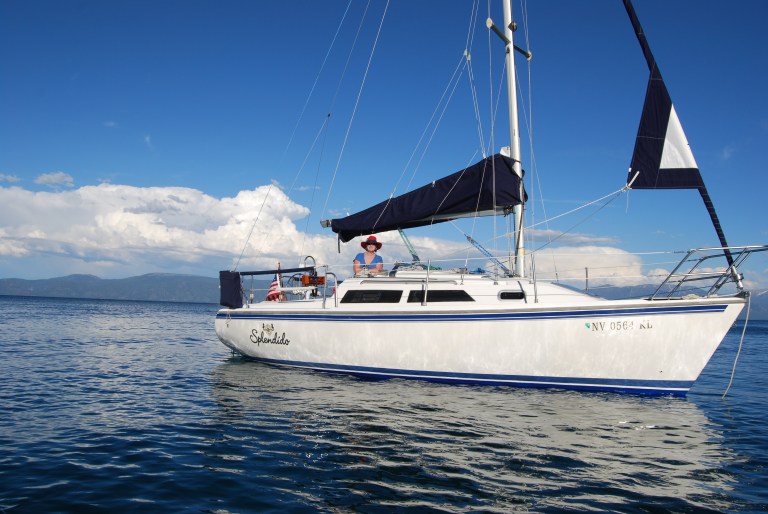
My buddy Jamie and I spent a couple of days doing a complete rebuild of the heat exchanger on Splendido’s 1993 (British) Perkins Perama diesel engine. We were losing coolant; we thought the season was over; and we weren’t sure we could fix it because frankly, they don’t make some of the parts anymore. In the end, we got it fixed – and this is the celebratory sail.


The upshot of the whole heat exchanger exercise, I realize now (with chagrin) was that the heat exchanger unit wasn’t really broken at all. Three weeks of working on it and nearly a thousand dollars in parts later (don’t get me started on that account), I have come to the realization that this was a classic case of attribution error: Yes, the coolant level was going down every time we sailed, and yes, the hot water heater wasn’t heating water for the boat after a long session of motoring. But after tearing into the systems in the back of the boat over a period of three weeks, I discovered that 1) the hose connecting the engine to the hot water heater had come off, so no water was going into the hot water heater, resulting in (you guessed it) no hot water. Secondly, since I had the opportunity to become intimately familiar with the heat exchanger tank and element over the course of tearing it down three separate times, and getting a better understanding of the way the impeller forces water through it, it dawned on me that replacing the heat exchanger element didn’t improve the situation of the coolant dropping every time the engine was run. The thing just seems to lose water to the level of the lowest point of the heat exchanger element when the engine runs. Keeping a close eye on the thermostat, however, shows the engine staying right at 140 degrees, even on long motors of an hour or more. I’d be open to hearing from anyone who has experienced a similar situation with their Perkins Perama M20.

Fair winds and smooth sailing. DB
perama-heat-exchanger

Update October 2022: Oh, FFS! The solution was staring me right in the face all along.

For those just tuning in, the backstory is this: When I first bought this sailboat, the guy I bought if from said, “Oh, by the way, you have to add a little water (a pint or more) to the radiator every time you start up the engine.” So, since October 2010, that’s what I did. Apart from being a pain in the behind, though, I alway had this nagging feeling that something wasn’t quite right about that. But it seemed to work, and I was intent on sailing, so the years rolled by.

But that nagging feeling never quite went away. So diving back into this fall, and after doing some research (actually reading the frickin’ Perkins M20 user’s manual thoroughly for once!) I thought the real problem with the missing coolant might have something to do with not having coolant in the reservoir underneath the galley sink (a related part of the solution, as it turns out), but there’s more to the story. 

I also thought, after reading up and studying the “caps” on the end of the pipe stack, that the assembly might be missing O-rings on each end (are there supposed to be O-rings?, I thought), to better seal the caps to the tube stack. I was getting closer. 

My new best friend and role model Ancil (the fellow sailor who lets me keep my boat in his pasture in the winters and a very mechanically inclined guy) came aboard as I was winterizing Splendido the other day, and I told him what I was up to, and then he said, “let me take a look at the engine.” I had already opened everything up, so I invited him into the cabin and he started examining the engine front and back. 

It Was Missing a $2 Hose Clamp on the Exhaust Side, Dagnabit!

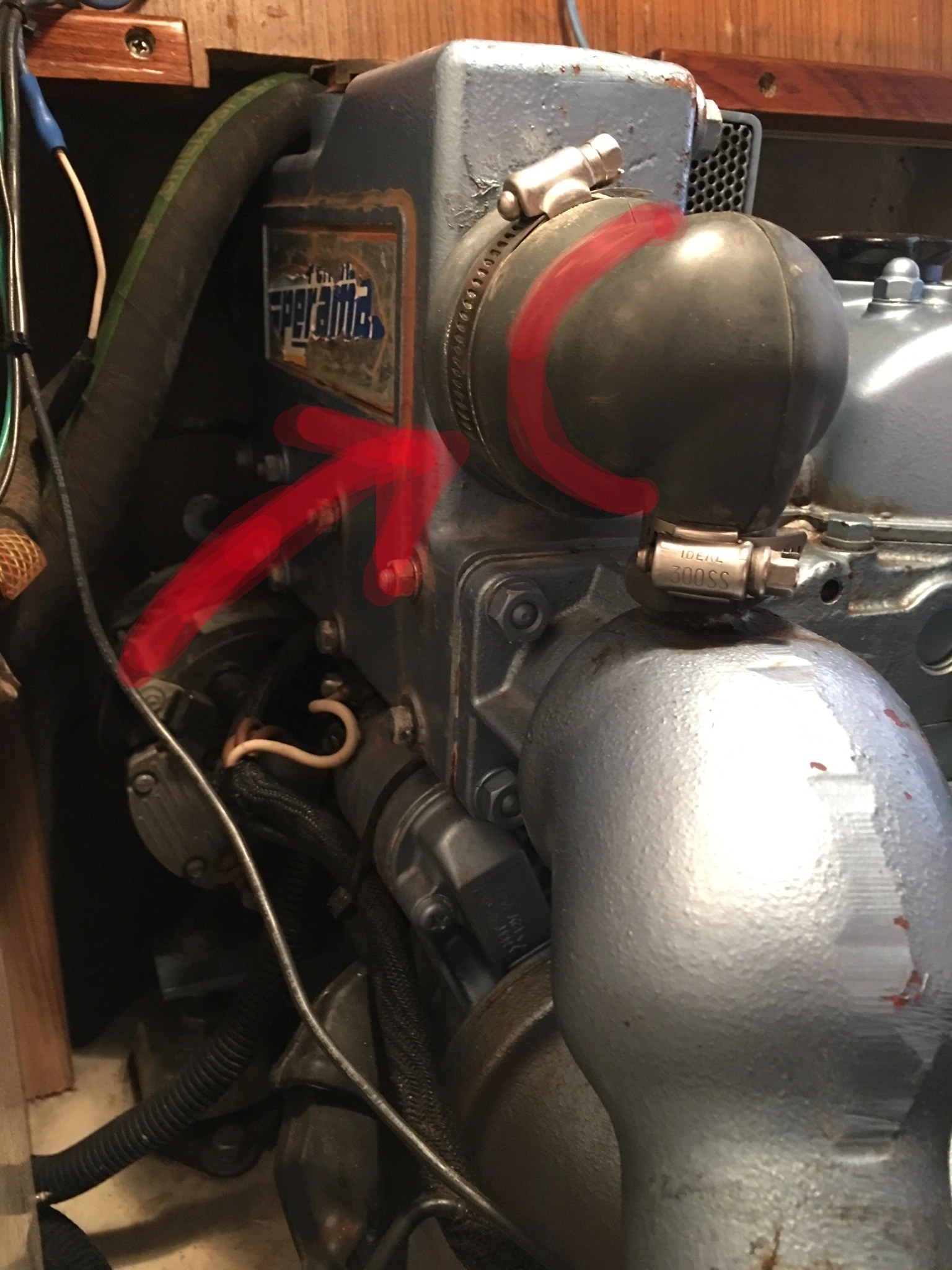
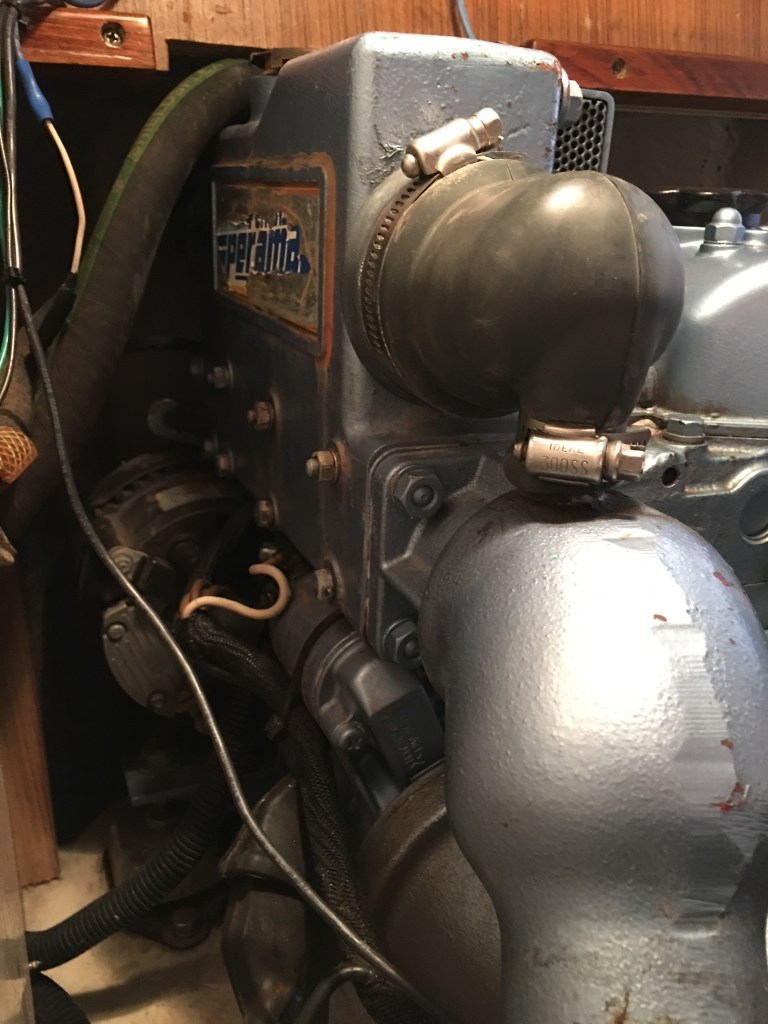
At length, Ancil noticed something I hadn’t noticed in all the years I’ve owned the boat: the “cap” leading to the exhaust only had one (1) stainless-steel hose clamp instead of the requisite two (2) hose clamps — the missing hose clamp was the one that encircles the tube stack itself — so this oversight was allowing the cooling lake water and the radiator coolant water to blow right out the exhaust. (Fortunately, since we only sail four months in the summer, I have only been using tap water as coolant all these years because I didn’t want any antifreeze going in the lake. I just drained all the water out of the engine’s water course when winterizing every fall.)

Ancil tossed me a $2 hose clamp and suggested I get a wire brush (and maybe some steel wool) to brush away the corrosion on the male ends of the heat exchanger housing where the caps connect, and also using some dielectric grease applied to the rubber caps to help in sealing those to the heat exchanger. Then, tighten tighten tighten the hose clamps (all four, in this case) — especially the one exiting the tube stack, and that should fix things.

So, that’s what I did. Then, I topped off the tank with real 50/50 mix coolant (after gently hammering the rim where the radiator cap sits into perfect flatness, as it looked a little high on the front end), attached the fake-a-lake hose to the seawater intake thru-hull, and fired up the Perkins Perama diese engine. I let it run for about 30 minutes to get it up to temperature, then went full throttle for about 4-5 minutes on Ancil’s advice, to blow out the carbon that had built up in the engine. After shutting it down, I came back the next day and opened up the radiator cap, and voila: the coolant was filled right to the rim. For. The. First. Time. Since. I’ve. Owned. The. Boat.

Yes, folks, the Mystery of the Missing Coolant is finally — and somewhat embarassingly — solved.

The red semi-circle shows where there should have been a stainless steel hose clamp right over the exit of the tube stack for all these years.

Addendum: Filling the Undersink Coolant Reservoir

I should note that, before Ancil showed up, I filled up the coolant reservoir (no easy task — for starters, it’s incredibly hard to reach, as it sits on the aft wall underneath the galley sink, and it is quite high up. Access is through the cupboard door below the sink, so it took some serious contortions to get coolant into it. I started putting it in cup by cup, but then took a stab at slithering the 1-gallon jug throught the hoses and gently angling it toward the top opening. My back was beginning to ache, as was my core, so I grabbed the life sling bag and used that to cushion my backside. Ever so slowly, I was able to get the jug’s mouth over the reservoir opening and fill it about 2/3 of the way up. (Hint for next time: Use a sports bottle or get a shallow funnel to catch the spills.)

Happy to Take One For the Team
A lot of folks wouldn’t even admit to making such a bone-headed mistake as this one with the missing hose clamp, but if it helps even one sailor out there fix a similar problem, then I’ll take the hit and be happy that someone else doesn’t have to go through the same hassle as we did. Occam’s razor, folks: The simplest solution to a problem is the most likely solution. Painful lesson learned.

Fair winds and smooth sailing. DB

The Mystery of the Missing Coolant

I don’t think my fellow sailors are scouring the internet to find out about heat exchangers on sailboat engines, but at the moment, I find myself dead in the water for the past three weeks because our trusty little Perkins Perama M20 diesel engine is under repair. Why, you ask? Well, because it was losing coolant at an increasing rate – a pint or more between sailing outings – and I couldn’t figure out the reason behind it.

The heat exchanger housing is on the left, where you add the coolant water.

Now, Debbie and I have owned Splendido since 2010, and it seems like she was always losing a bit of water level in the radiator since the very beginning. I attributed it to maybe a loose radiator cap or Tahoe’s high altitude (you never really notice yourself sweating here on warm days – our low humidity just seems to wick it out of you). But there was no sign of leaks on the outside of the engine, and no water in the bilge. It was a real head-scratcher, but I didn’t particularly worry about it until recently, when it seemed to be losing more and more coolant.

This is a close-up of the beast.

When I noticed that the coolant level seemed to be dropping to a larger extent between sails, I began to investigate the problem on the internet. After all, Google knows everything, right? 🙂 A couple of other sailors reported a similar situation, and what seemed to happening is that there might be an internal leak where coolant was being flushed out with the seawater exhaust.

Perkins Perama M20 heat exchanger housing and gasket
The failing Perkins Perama M20 heat exchanger, extricated.

After scouring the Perkins Perama M20 service manual, I decided to email my friends at Trans Atlantic Diesels and find out what I was getting myself into. They assured me that it was a very simple exchange of parts, and they would ship a replacement kit out right away. Thus emboldened, I went to the boat to see about extricating the failing heat exchanger. Now, the working area around the engine in our Catalina 270 is tight, to say the least. I have extra large hands, which makes things even more challenging. Finally, at my stage of life, I need to wear readers to see just about anything close-up, so tearing into an engine in dim light with these constraints had me losing a little coolant as well.

You want a fairly calm day to engage in engine work below deck.

I removed the four bolts that attached the exhaust manifold and the eight bolts that held the heat exchanger onto the side of the engine. Gently tapping and cajoling the liberated unit enabled me to get it about an inch free of the engine, but something was holding it back. Feeling around in the dark, I detected a small hose at the base of the unit. I managed to get the hose clamp off of that – and still no further movement. I didn’t have one of those mirrors-on-a-stick on board, so I decided to remove the alternator to get better visibility into the problem. Once the alternator was off (which took some doing), I could see that it was the housing of the starter that was impeding the heat exchanger from coming completely off. The starter motor is held by two fasters – one of which is a 13 or 14mm bolt. The other fastener, at least on this model, required an 8mm allen wrench – which I didn’t have on board. It was getting late in the day, so I cleaned up everything and drove back to Reno (43 miles) and picked up a full set of metric allen wrenches. (Note: I suspect this is the only fastener on the entire boat that requires an allen wrench.)

The Perkins Perama M20 uses the AM-420 heat exchanger.

The next day I drove back to take another crack at the starter motor, and voila! – the heat exchanger came off as easy as kiss my hand (to paraphrase Captain Jack Aubrey of Master and Commander fame). As luck would have it, though, I then realized that Trans Atlantic had sent me the heat exchanger kit for the Perkins M30, which is a larger engine for a larger sailboat. (A friend later joked that I should’ve called them up and asked for the rest of the sailboat that comes with the M30 engine, as a way of making up for the shipping error. 🙂

Alas, first-world problems. I reconciled myself a long time ago that all this stuff is just part of sailing, and that the joy you get from sailing is only enhanced by the effort it takes to get out there. If it was easy, anybody could do it, right? 🙂

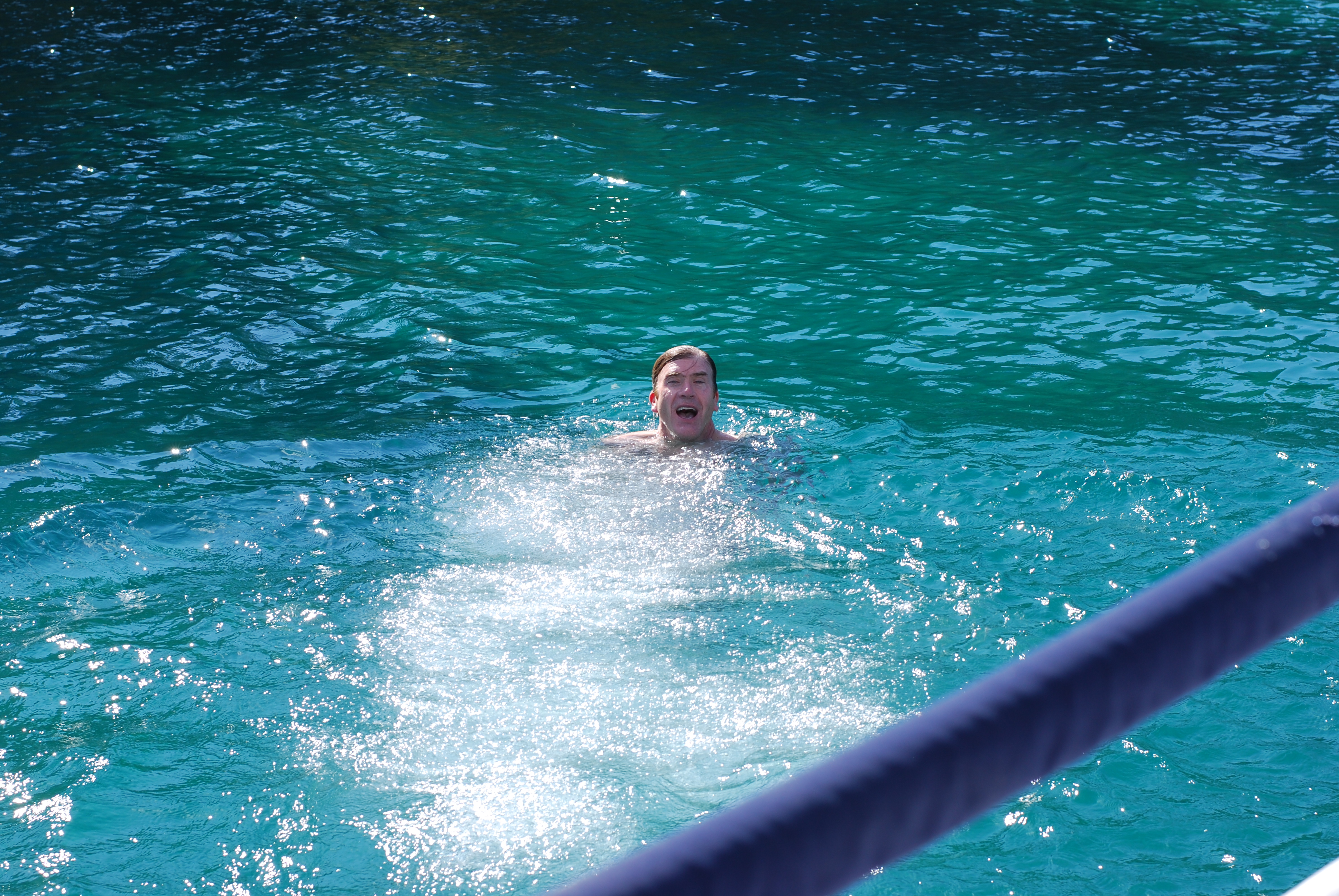
I texted Sheri at Trans Atlantic to get the exchange of parts set in motion, and then dove into 68º F. Lake Tahoe and swam around the buoy field for about a half-hour before I packed up and headed home. Whether it all comes together before summer is over will be the next chapter in this odyssey. Stay tuned!

Fair winds and smooth sailing. DB

Boat Camping & Visiting

Looking south at Mt. Tallac and Desolation Wilderness

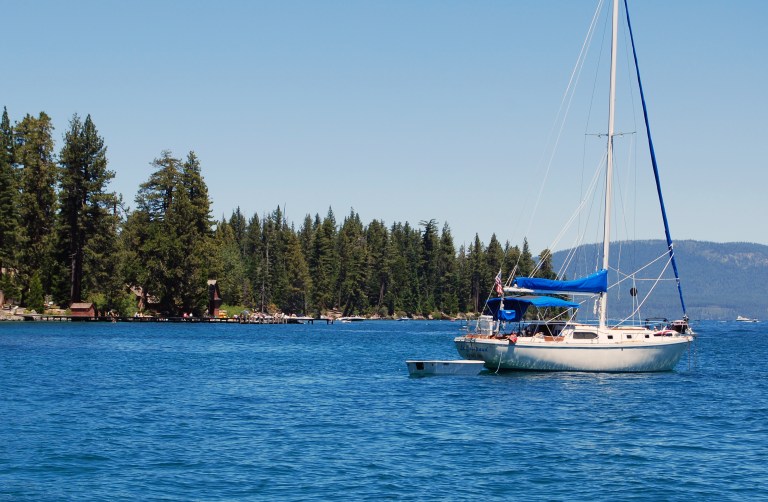
Despite getting off to a slow start this season, we have managed to get a little sailing in and as well as a bit of boat camping. The first night out, of course, is a bit nerve-wracking, as we have a tendency to pop out of the cabin like prairie dogs when strange noises or mysterious swells wake us at 2 a.m.

First Mate Debbie ready for sailing and summer fun

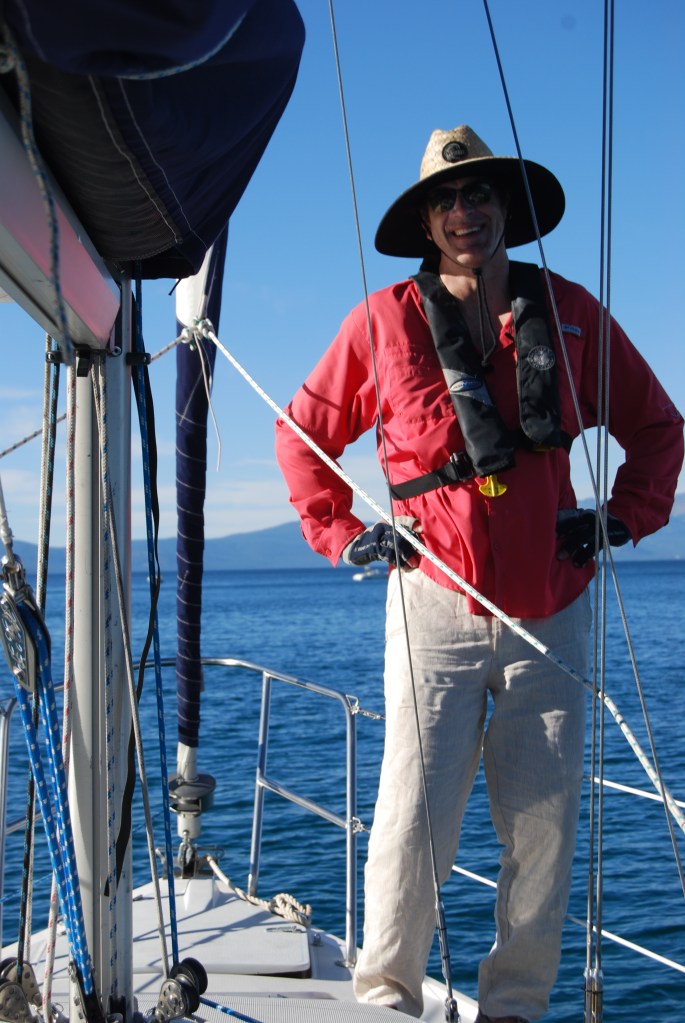
Our first boat camping trip this season was a return to our summer routine – pack up and head to the high country to avoid the heat. I think I’ve finally discovered a “protect the skin at high altitude” solution for sailing at Lake Tahoe: linen pants! I was wearing nylon sweatpants to protect the pelt, but it was just too hot, so I found some linen pants on sale and it’s the hot tip.

Breathable linen pants feel just like wearing shorts – but protect this skin cancer survivor

At any rate, the sailing has been great, and I was thinking about why that is. First, don’t let anybody fool you. When it comes to sailing Lake Tahoe, the west shore is the best shore. Good winds, no lee shore for five miles and more, and pretty smooth sailing because of the smallish wavelets. Even when we reach our max hull speed in 20+ knots of wind, you rarely get water over the bow.

A typical day is 10-15 knots of wind with gusts to 20 in the late afternoon

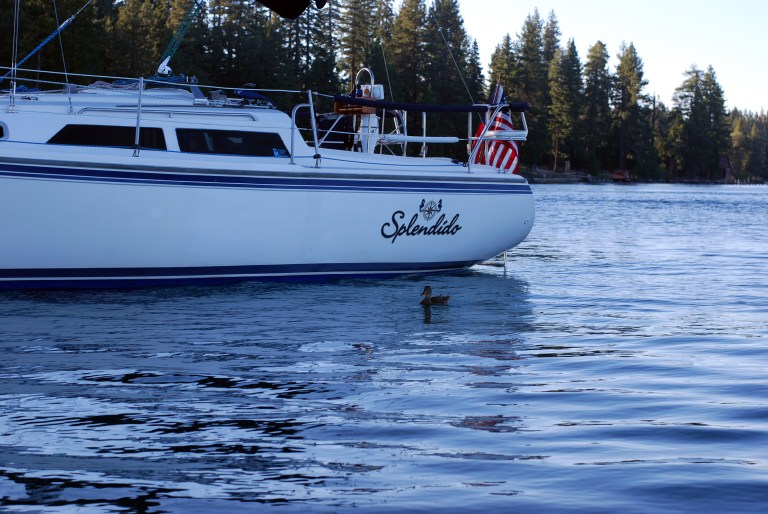
But back to boat camping. We dropped the hook in nine feet of water, fired up the BBQ and settled in as ducks gathered and nearby beachgoers packed up their gear and headed home for the night. About a half-hour before sunset, one of our sailing acquaintances came steaming up from the south aboard Le Crapaud, a 1968 Columbia 36 that we’ve seen out and about for years. I determined that the next morning, I would row over and say hello.

Nothing beats fresh fish right off the grill at Lake Tahoe

To my delight, Ancil, the captain of Le Crapaud, rowed over first thing to say hello to us. We had a great chat, and he invited me over later in the day to take a look aboard the roomy 36-footer.

Le Crapaud, a 1968 Columbia 36

After coffee and chores, I rowed over to take a quick tour of Le Crapaud. I learned that Ancil had purchased her from her previous owner at Lake Mead, which is about 440 miles south of Reno-Tahoe, near Las Vegas. He restored her and put a new engine in, and added great amenities like a stack pack and a wonderful bimini that features zip-off side-awnings as well as a zip-opening mesh feature on top, in case it gets too cool under the awning. I was impressed with the spaciousness of the cabin and especially the roominess of the V-berth, as sleeping aboard is still an issue for us in the otherwise comfortable Catalina 270.

The sleeping quarters for Splendido start at the “S” and go aft. It’s kinda tight.

As boat owners do, we shared war stories about fixes aboard our respective boats, and Ancil got me thinking about solutions for a mysterious disappearance of coolant from our Perkins Perama M20 diesel engine. Ancil – who works in the mechanical world – offered to lend me his radiator pressure tester to help diagnose the problem. More on that later, but I appreciated the kindness and the camaraderie. It gives you a sense of hope that maybe we’re not as divided as a nation as they say on Twitter and TV.

Fair winds and smooth sailing. DB

Final Touches for a 2019 Launch

IMG_0323
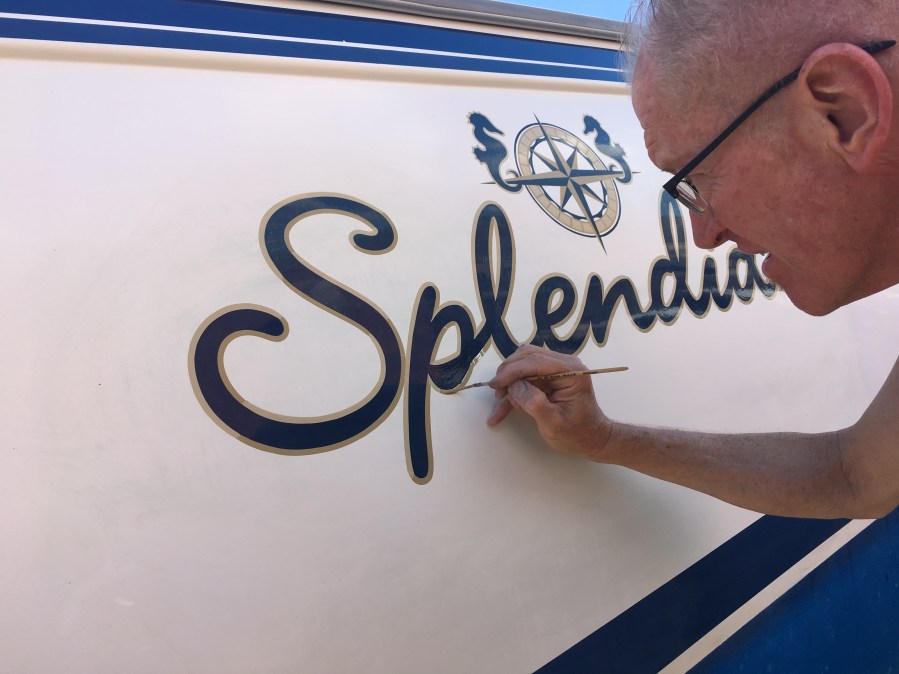
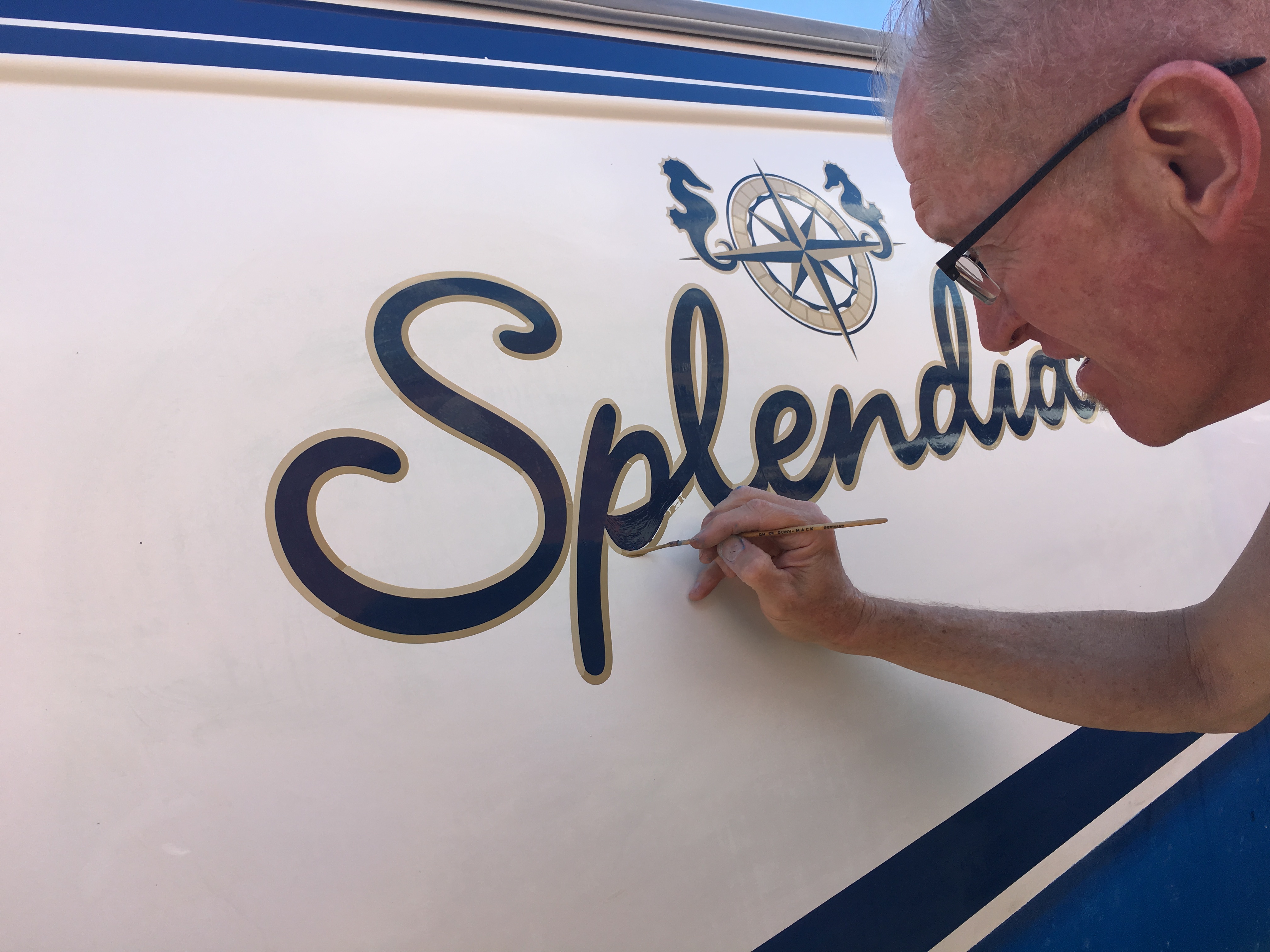
Lane Walker – the master – at work.

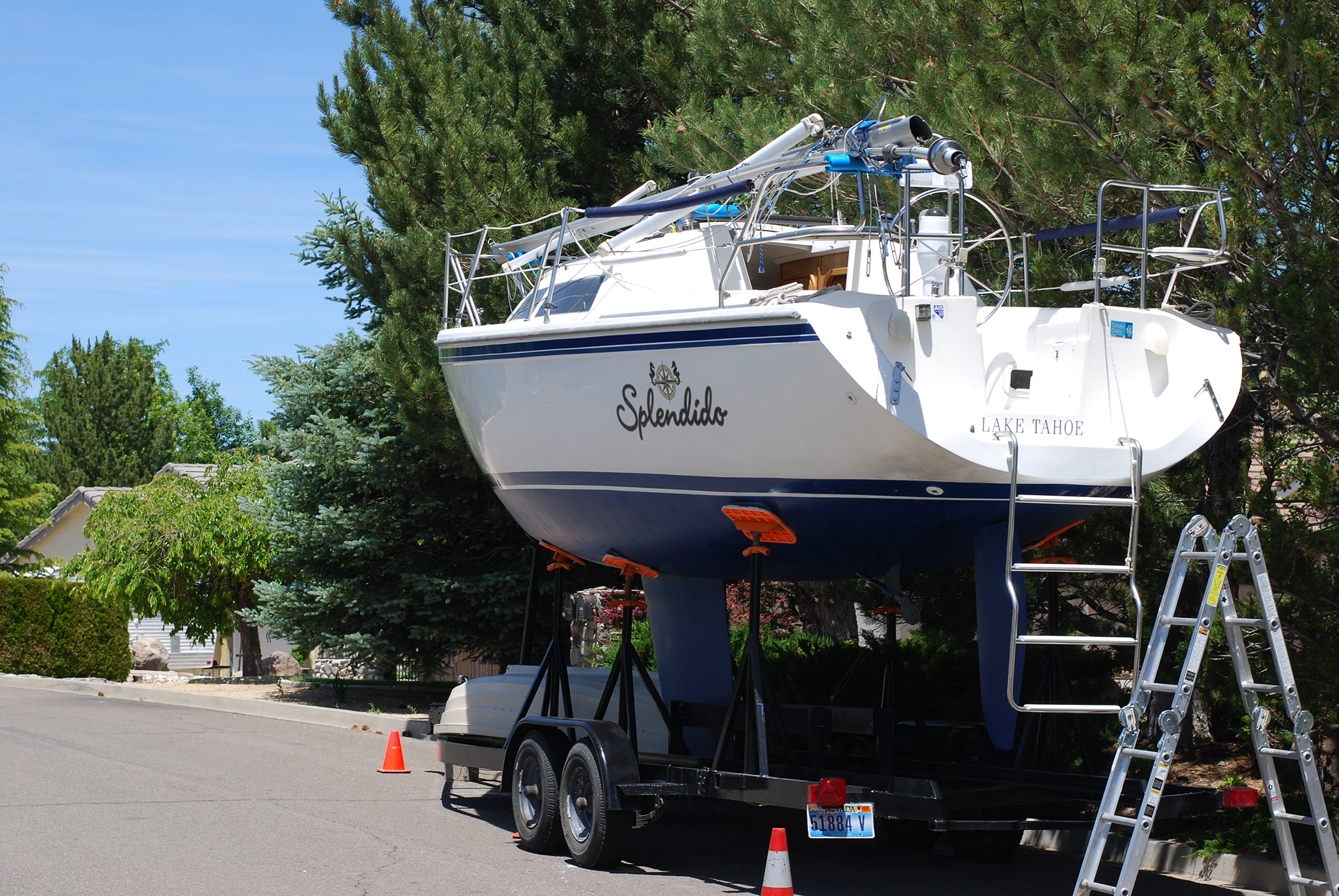
We’ve had a rainier and stormier spring this year, which led to my cancelling our mid-May launch of Splendido and gave me a little more time to get her ready this year. My buddy Jamie helped me change the tires on the trailer, polish her up and put a nice coat of wax on so our 26-year old girl can shine.

IMG_0317
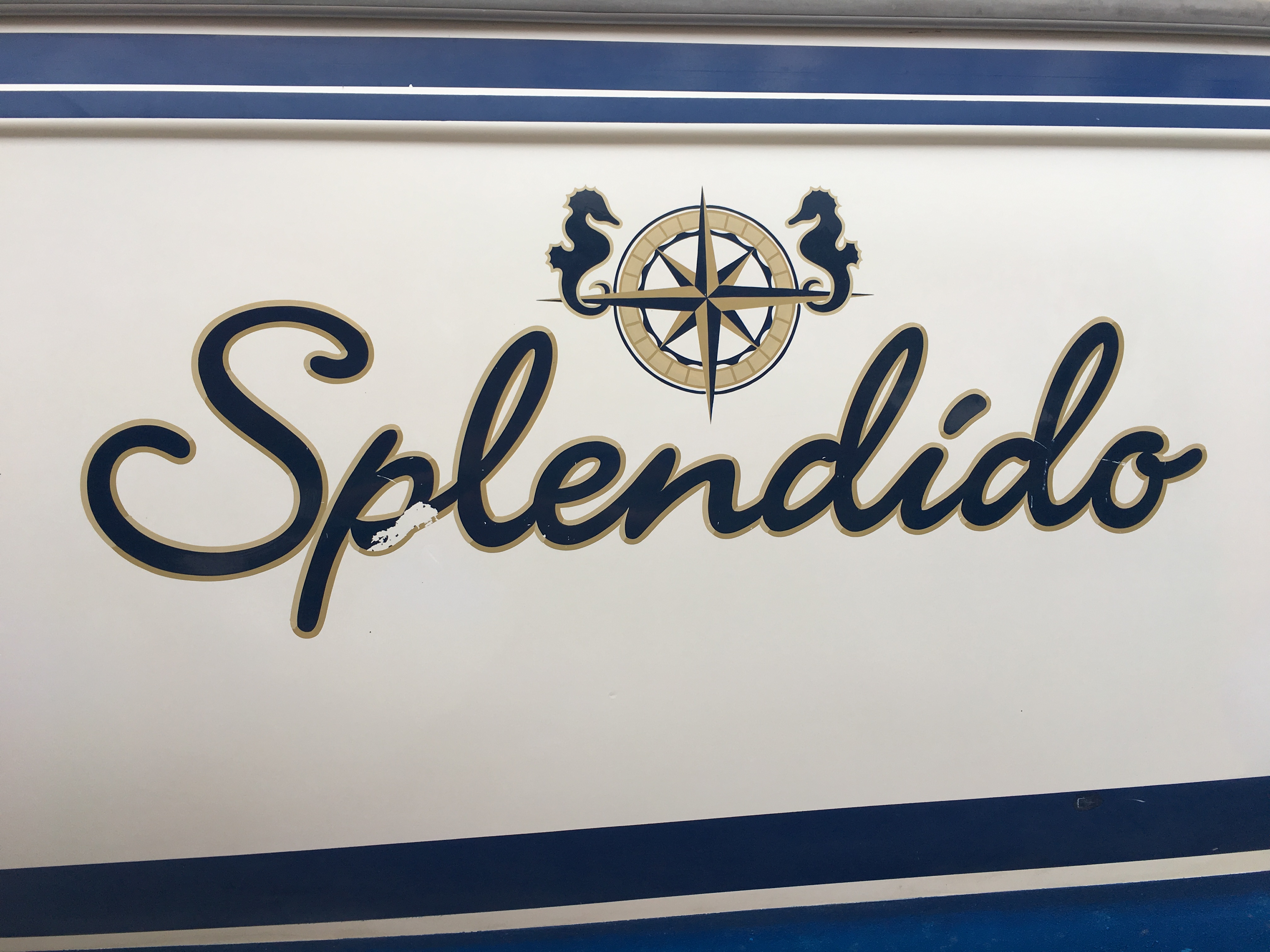
I messed up our logo when doing some gel coat repairs.

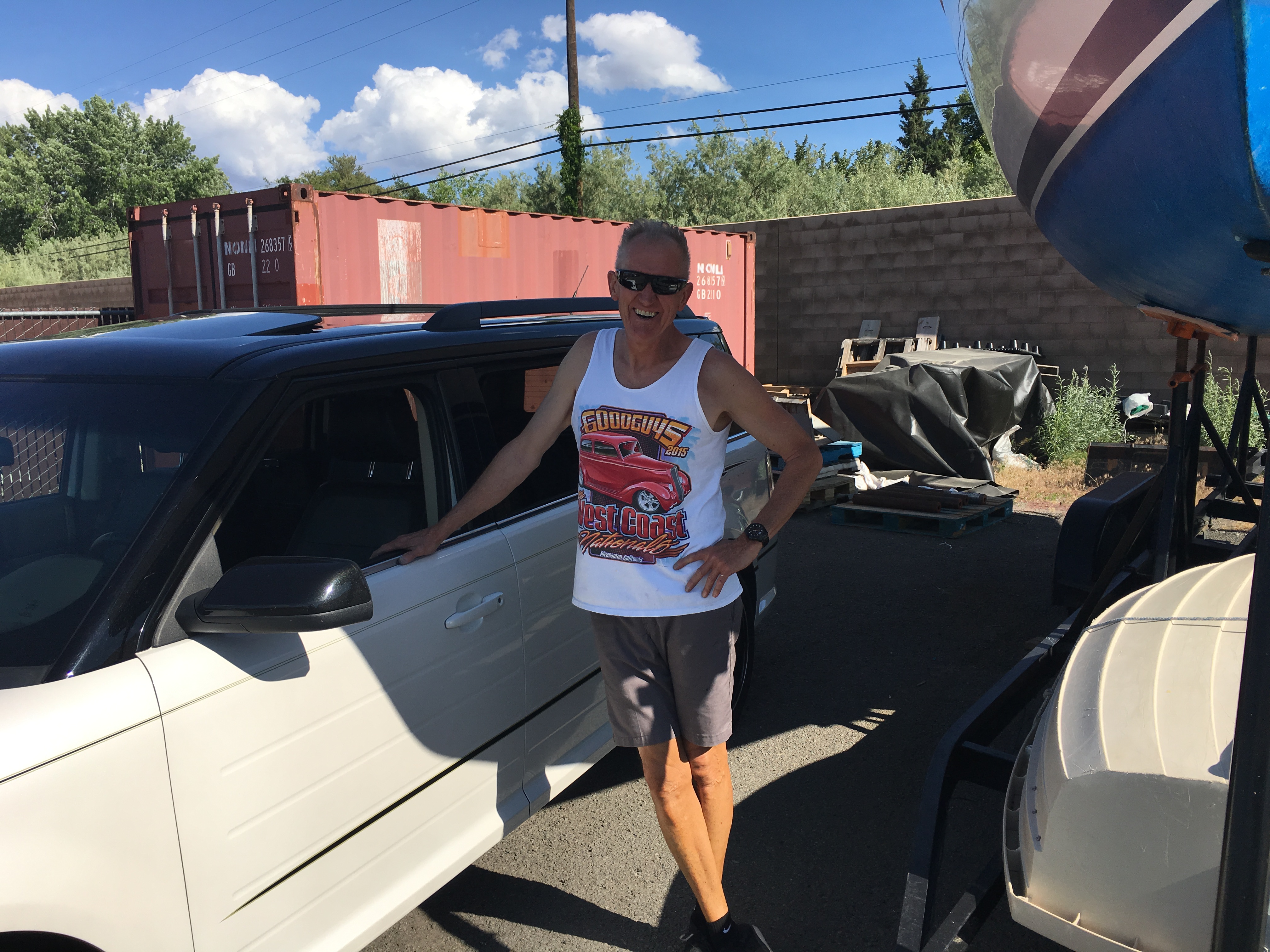
I noticed a few small chips in the gel coat this spring, likely caused by small rocks thrown up during trailering the boat down from Tahoe, so I tried my hand at gel coat repair this year. After watching a couple of YouTube™ videos, I mustered the courage to start, and found it to be a pretty interesting process – and all in all, easier than I had anticipated. One of the side effects, though, was that when I removed the protective blue painter’s tape I had placed around my gel coat repairs, I inadvertently took off some of the hand-lettering paint that my good friend Lane Walker of Solo Signs had put on about eight years ago.

IMG_0320
Lane Walker to the rescue.

IMG_0321
The man is a magician when it comes to sign painting and hand-lettering work.

In my eyes, Lane Walker is a living legend in the art of pinstriping and hand-lettering. I met him about 30 years ago when I worked for Harrah’s corporate advertising department and he worked for an outfit called Silver Dollar Signs hand-painting casino showcards and signage. After Silver Dollar closed its doors, Lane struck out on his own with Solo Signs, and has a bustling practice painting long-haul trucks and doing custom designs and pinstriping work for hotrodders, custom motorcycle embellishments, and all manner of hand-painted restoration projects.

IMG_0322
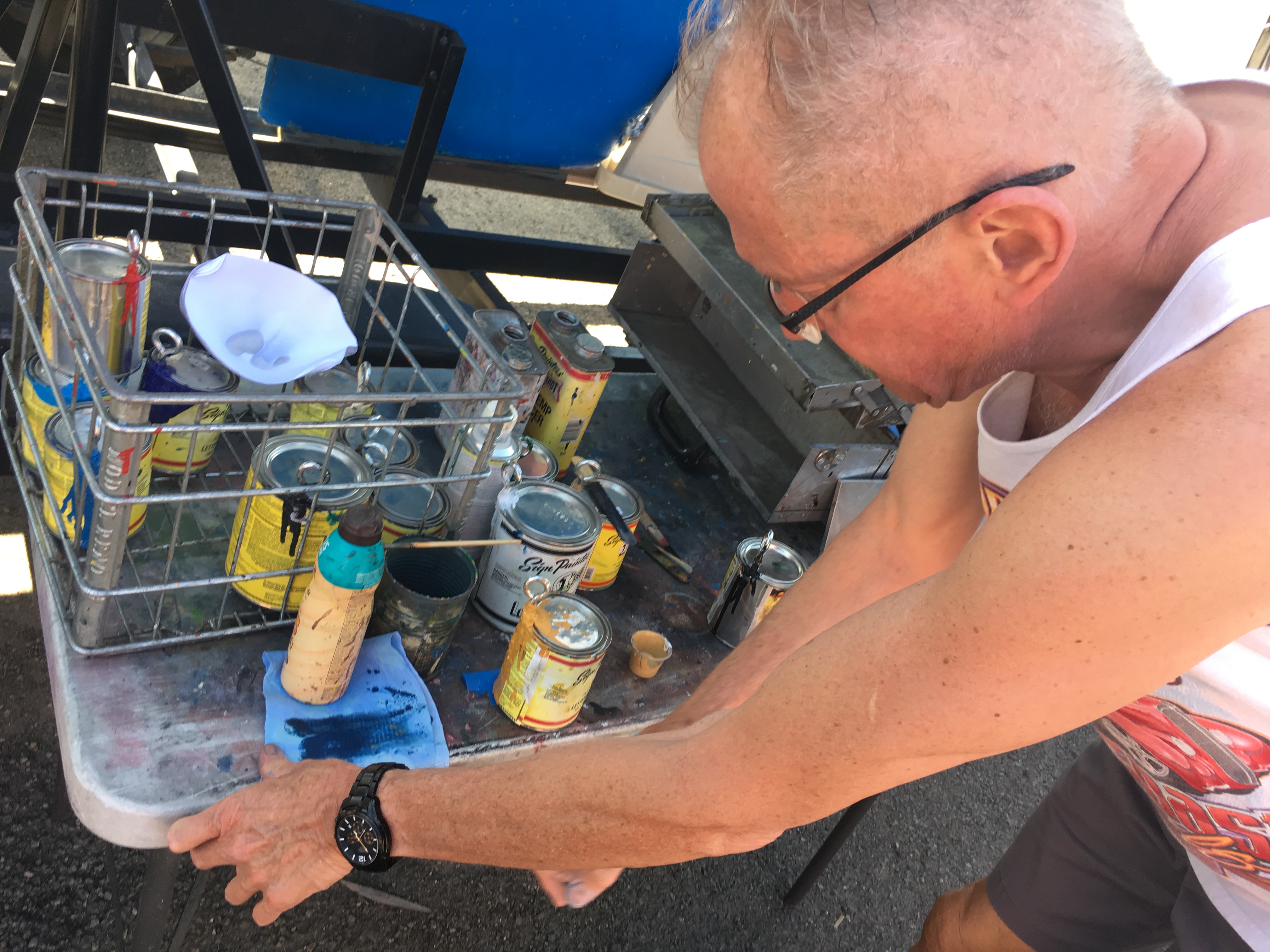
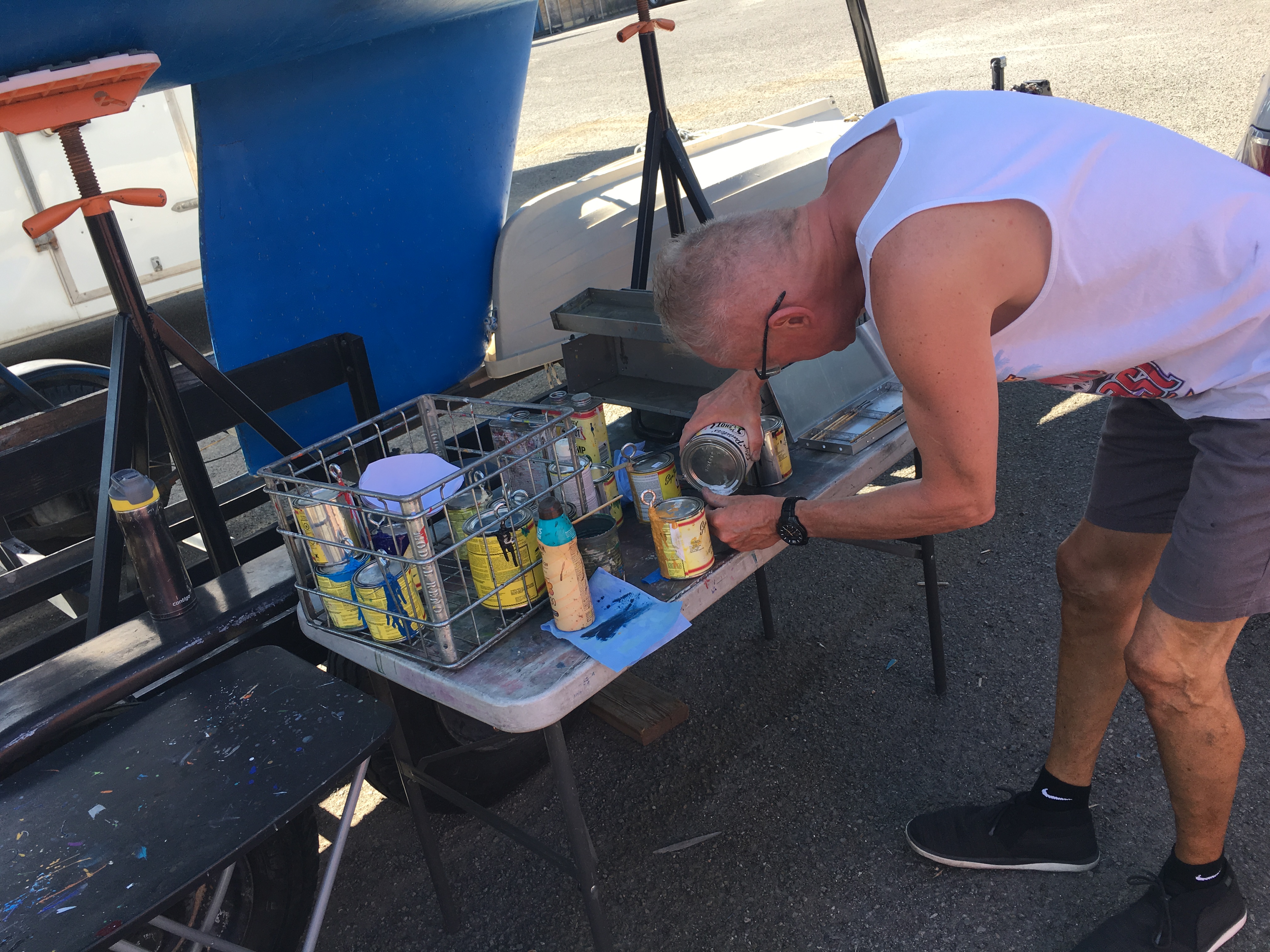
Perfect color matching by eye.

Watching Lane work is a joy. He hand-mixes and matches colors before your very eyes, and the accuracy is uncanny. He explained to me his collection of brushes made from the hairs of a particular Russian squirrel, and the virtues of now-banned lead paint, which flowed like a dream off his brushes and “wore like iron,” in contrast to today’s differently formulated paints.

IMG_0324
Lane Walker, the legend.

In about 45 minutes, Lane restored Splendido’s logo to like-new, and a quick polish and coat of wax will make her ready for launching.

IMG_0262
Jamie helping swap the tires on the trailer.

IMG_0325
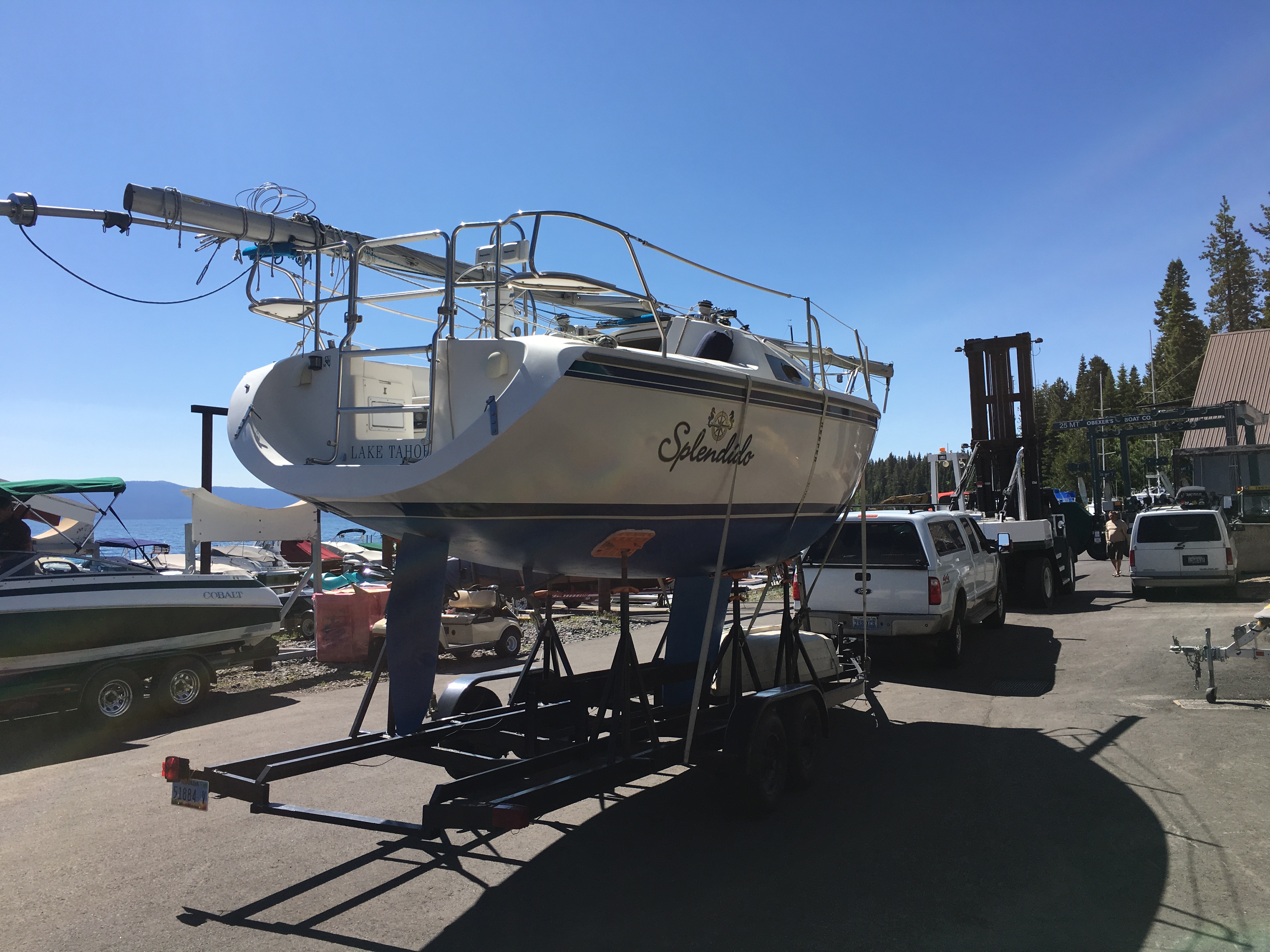
Ready for launching at Obexer’s Lake Tahoe.

tracy-and-david-launch-2019
Post-launch lunch at The Bridgetender in Tahoe City with Tracy Hieber.

We splashed the boat on June 21st and the launch went fine, although writing this a day after, I am sore and tired from the effort. I am grateful to Lane and Jamie and Debbie and Tracy and the folks at Obexer’s for all their help, and looking forward to sailing with all of them on the great sheet of blue water called Lake Tahoe.

Fair winds and smooth sailing! DB

What boat is that?

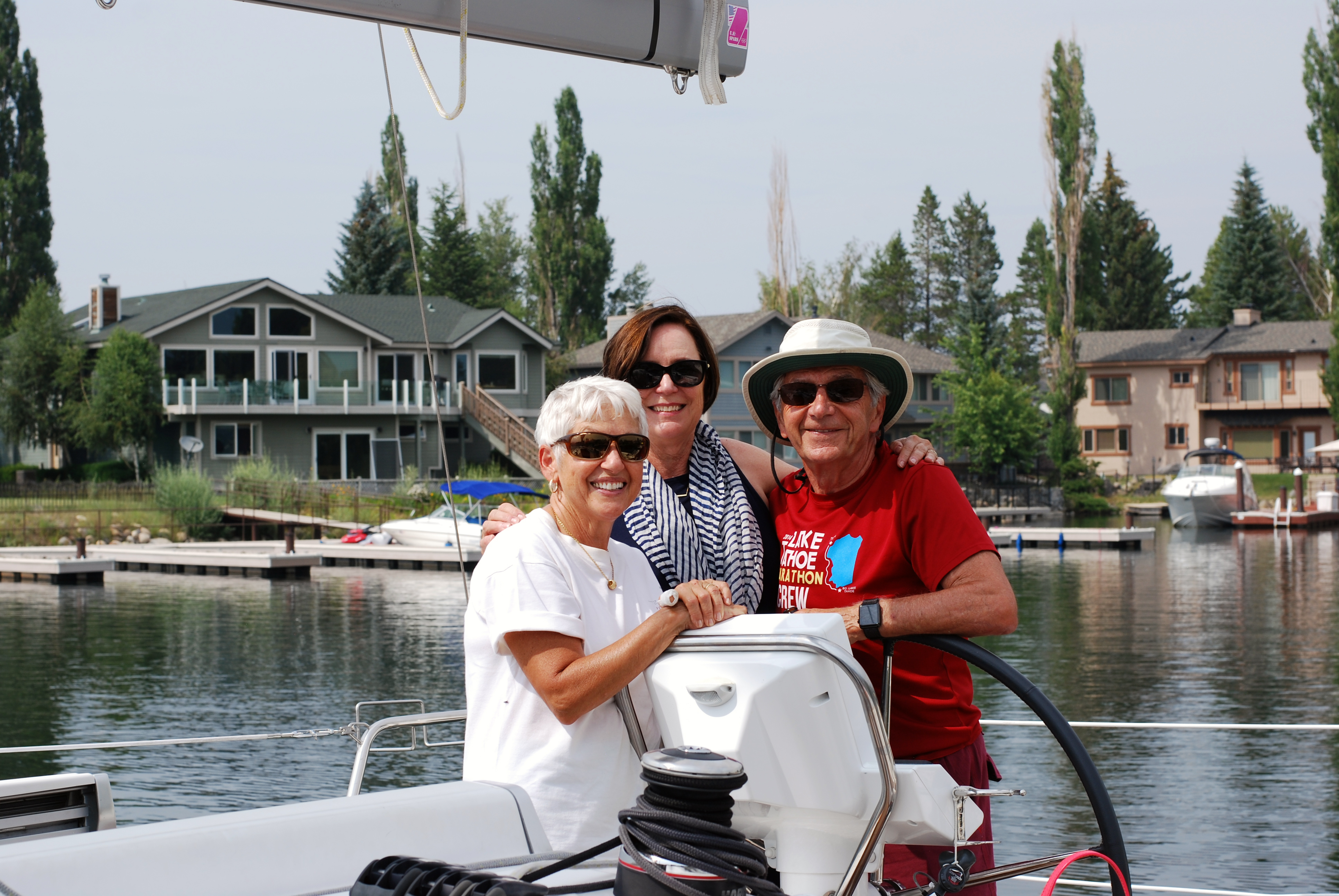
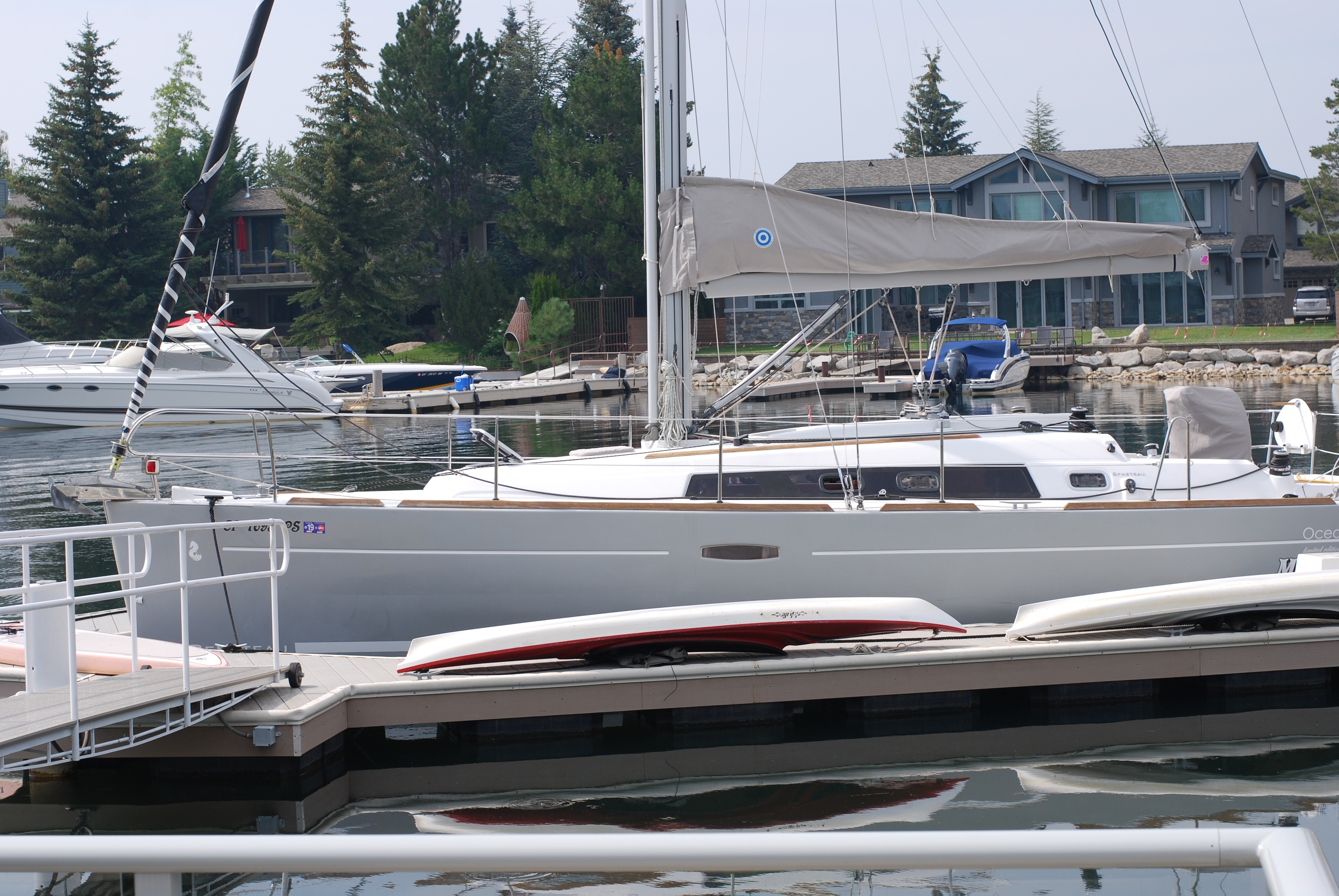
Last season, Debbie and I were boat camping off of Sugar Pine State Park on Tahoe’s west shore one day when an elegant couple aboard a beautiful gray-hulled Beneteau pulled alongside, asking if we were part of the Tahoe Windjammers Yacht Club. We replied that we weren’t, and off they sailed.

For months afterwards, we wondered what length and model that beautiful boat was. This summer, after one particularly uncomfortable, sleepless night where we both became claustrophobic in Splendido’s modest sleeping berth, our conversation turned to the idea of exploring what having a larger boat – with larger sleeping quarters – might look like.

“Well, let’s figure out what model that good-looking Beneteau is, and we’ll start there.” I offered, feeling guilty for even broaching the topic, as we have worked so hard on and just adore our own lovely Splendido. Soon, however, Debbie and I were surfing the internet trying to find an image of a gray-hulled Beneteau. After a little Googling, Debbie found a photo of it sailing on Lake Tahoe on the Tahoe Windjammers website, so I contacted the Windjammers to see if they could tell me what length and model it was. After a laughably difficult email exchange with the Windjammers’ web guy – who I suspect thought I was a web scammer – I got an email from the Beneteau’s owners, Leon and Patricia Malmed.

Leon, an engineer who had a very successful career in Silicon Valley and who is also a Holocaust survivor and published author, said the boat was a 2013 Beneteau Oceanis 34, and graciously invited us to visit sometime to take a look at their boat, Mon Amour.

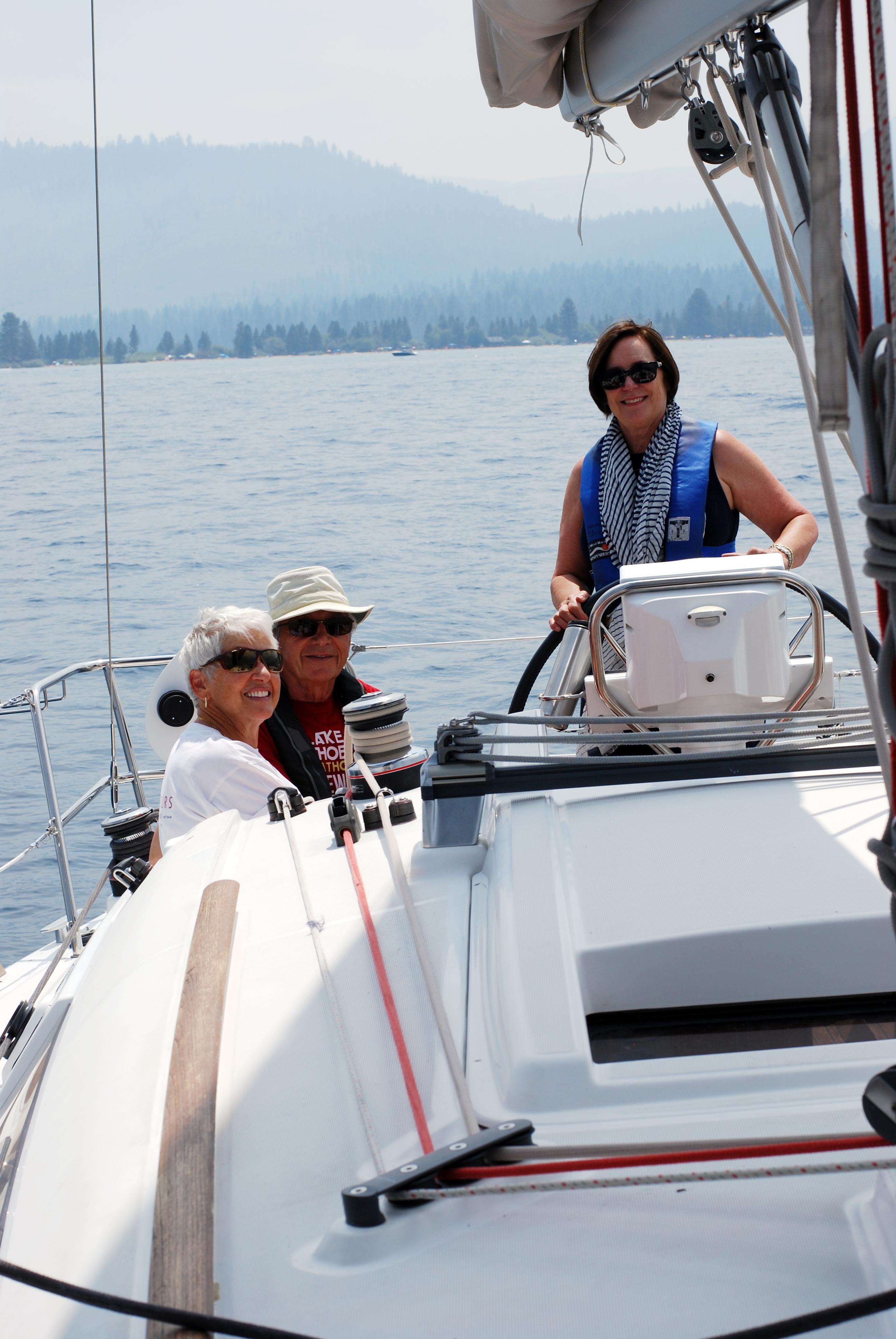
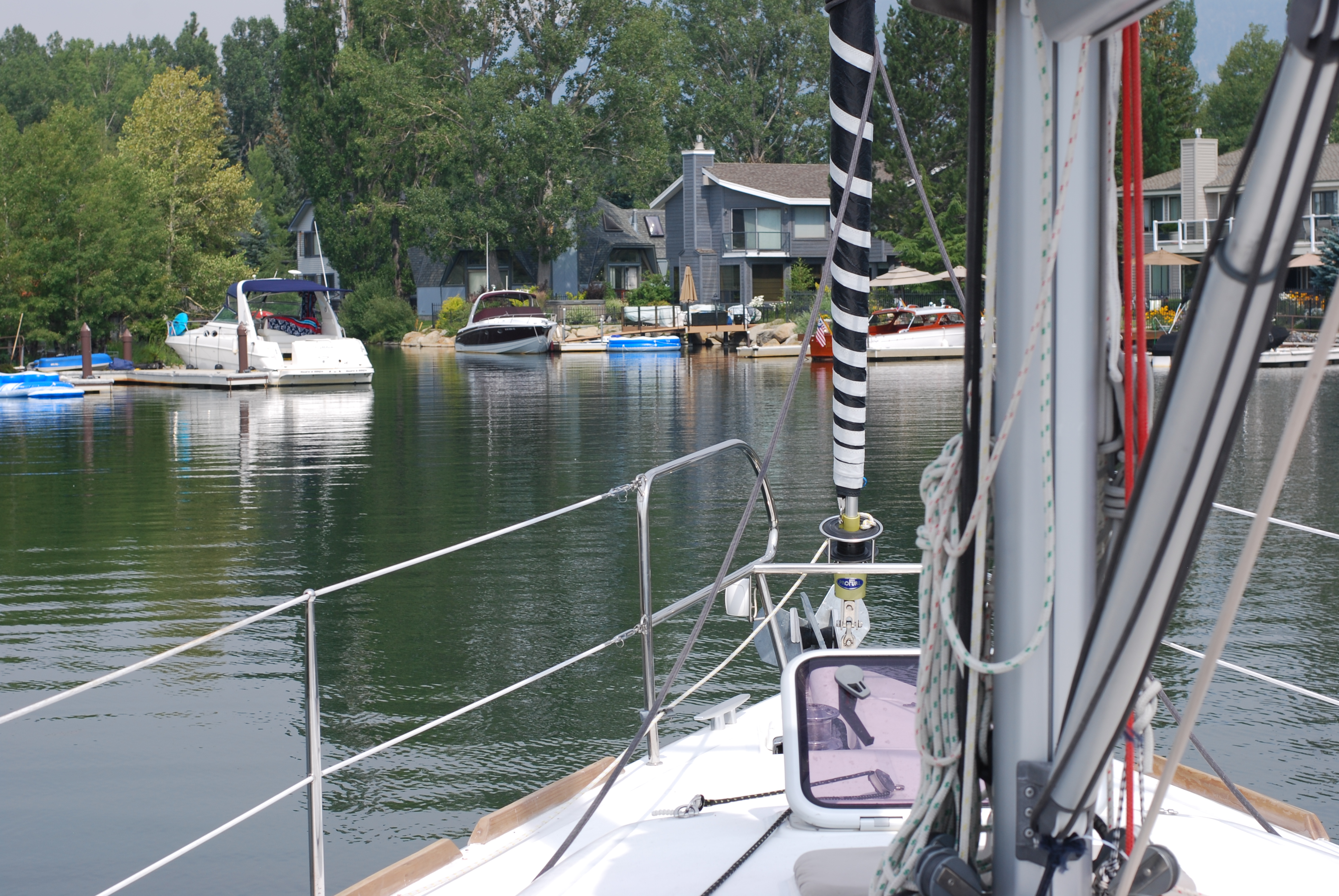
Because the smoke on Tahoe from the terrible California wildfires had shut down our sailing for nearly a month, we were happy to drive to the south shore to indulge our curiosity. Although we had hardly met, Patricia and Leon welcomed us with open arms, and surprised us with a sail aboard Mon Amour. She proved to be a sweet sailer with a striking black North 3DL headsail, beautiful on deck as well as below.

We spent a delightful afternoon talking about sailboats, Lake Tahoe, and life, and it was a superb pleasure getting to know these lovely people. After docking and chatting a bit more, we bought one of Leon’s wonderful books and parted, enriched by the experience and the rare gift to spend time with our new-found sailing friends.

Afterwards, Debbie and I drove along the west shore to Tahoe City and capped a great day by stopping at Wolfdale’s for their amazing smoked trout, Caesar salads, and drinks. We got to chat with Chef Douglas Dale briefly to congratulate him on 40 years in business before we headed down the hill and home again.

Fair winds and smooth sailing. DB

A Day In The Life Of Lake Tahoe Sailors

I thought it would be interesting to show the sequence of events we take when Debbie and I feel the need to get out on the water and go for a sail at beautiful Lake Tahoe.

  1. We get up, have our coffee, and check the “Lake Tahoe Recreation Forecast” to see what kind of conditions we should expect for afternoon sailing.

DSC_0001

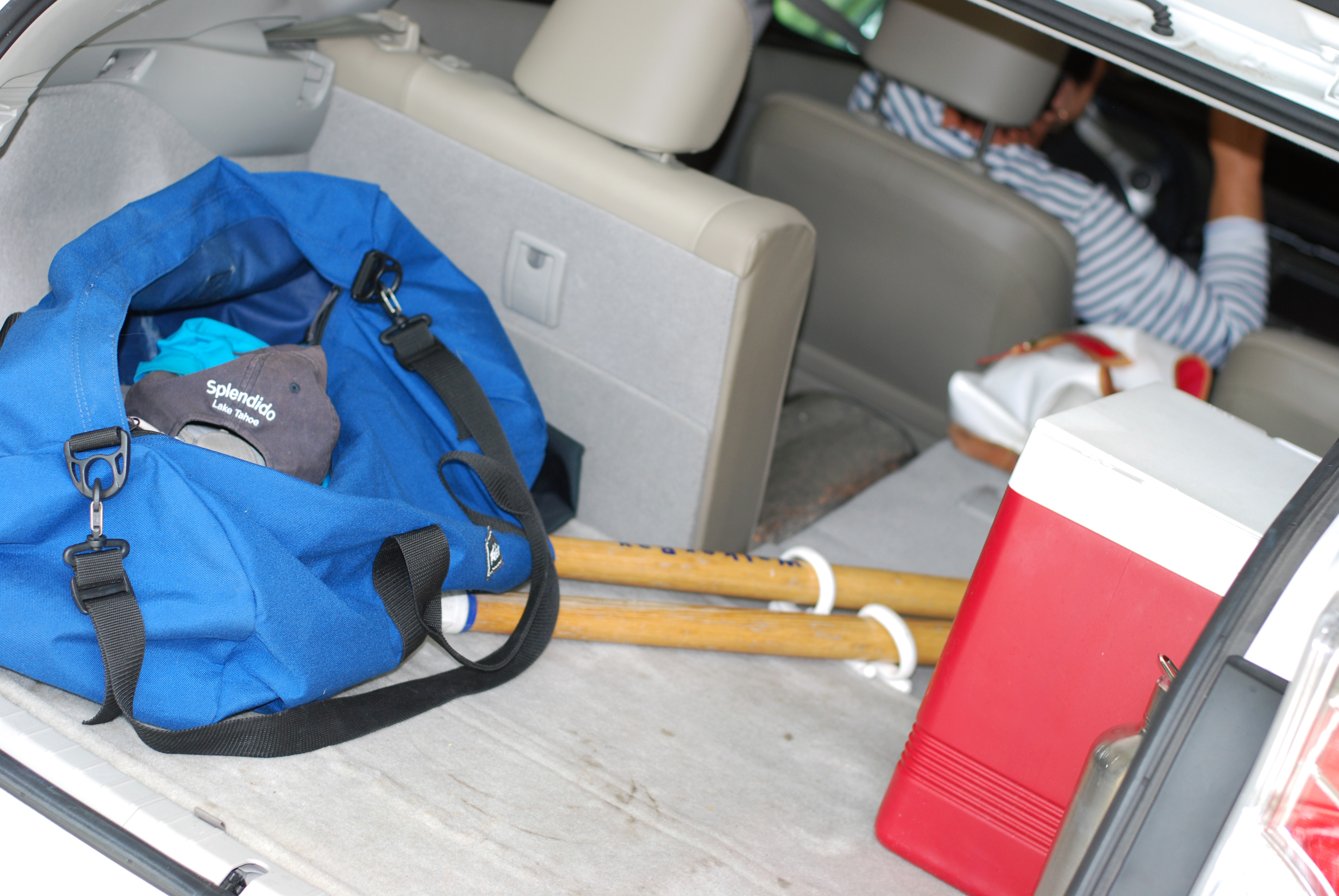
2. We load my Toyota Prius with a seabag, food, drink and oars.

DSC_0002

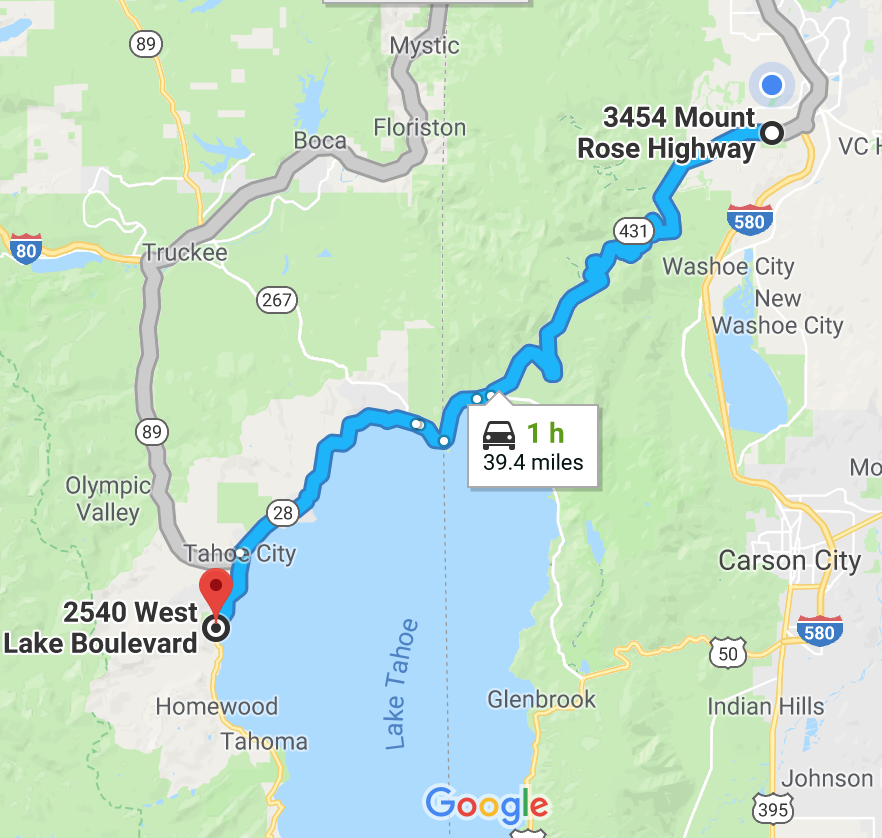
3. We take the scenic one-hour drive through the Sierras to Lake Tahoe.

Screen Shot 2018-07-18 at 9.46.38 PM

4. We park, unload the gear, and walk over to the dinghy at the shoreline.

DSC_0004

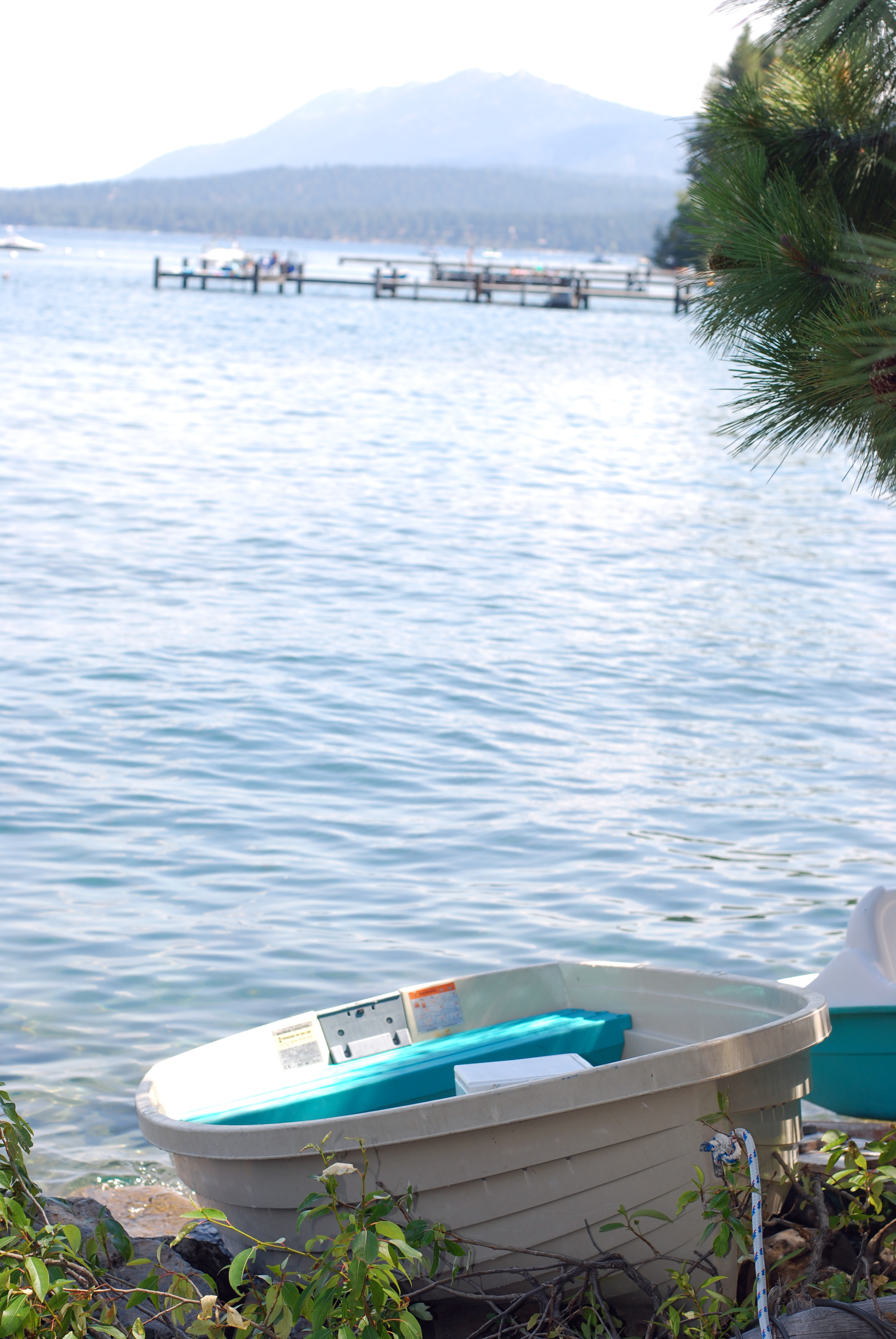
5. We load everything into our Walker Bay dinghy and row out.

dinghy

6. We run through our departure checklist and set sail to wherever we feel like, most often southwards.

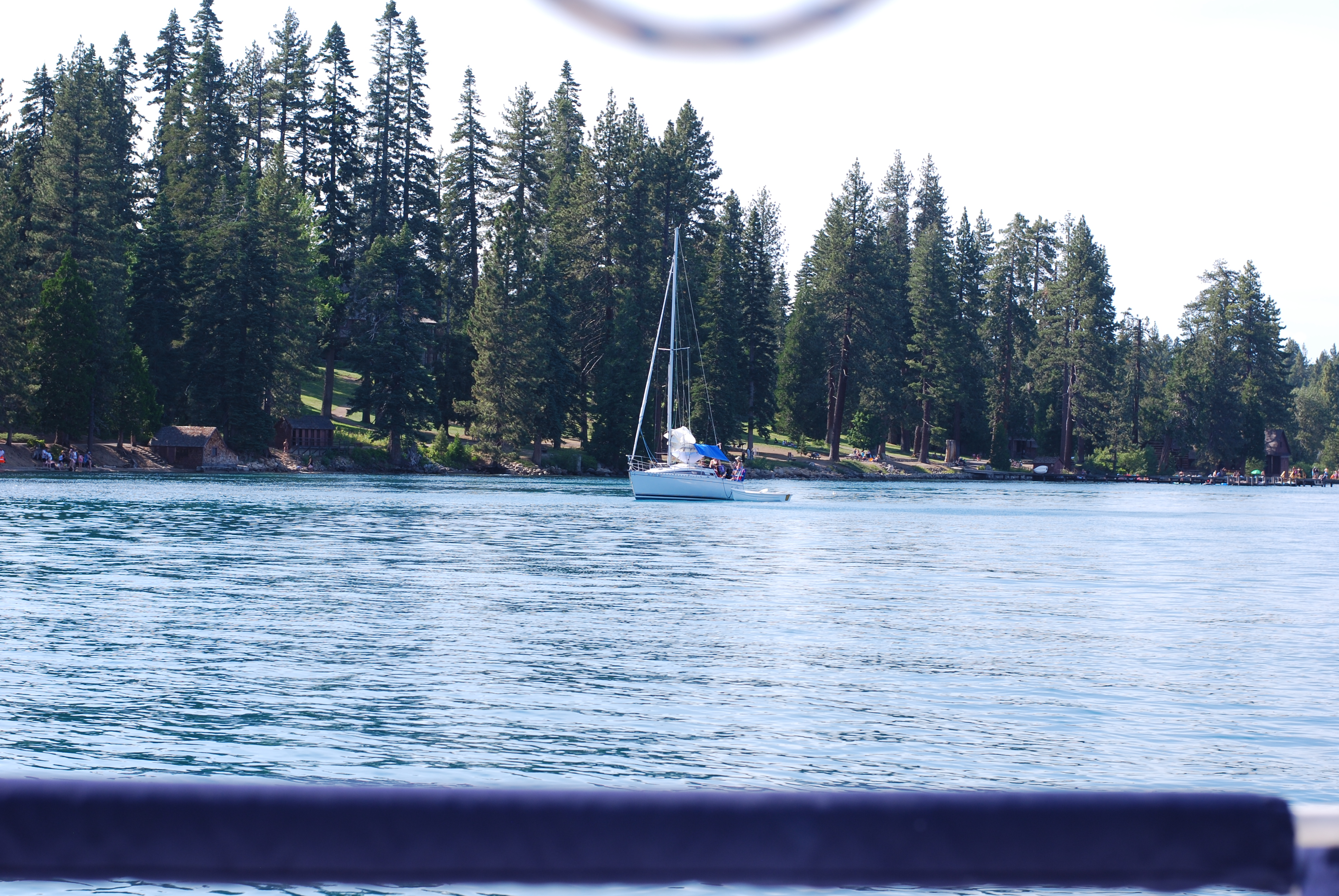
7. We drop the hook and wave to our fellow boaters.

DSC_0007

8. I set up and light the BBQ while Debbie preps and cooks.

DSC_0008

9. We sail off into the sunset, make things ship-shape above decks and below, row back to shore, and settle in for the drive back home. Sometimes, we even stop to get ice cream cones in Tahoe Vista or Kings Beach on the North Shore before heading down the hill to our home in Reno.

DSC_0017

We’re very grateful to be able to enjoy sailing Lake Tahoe aboard our 1993 Catalina 270, Splendido, in this routine yet rewarding way.

Fair winds and smooth sailing! DB

Sailing On A Friday After Work

It has been a challenging week – Debbie had to move her 85-year-old dad into assisted living, and I’d gotten a bit stressed trying to wrangle a couple of big projects at work – so we made a beeline for the boat Friday afternoon after work to see if we could get a little sailing in, followed by dinner back at the buoy.

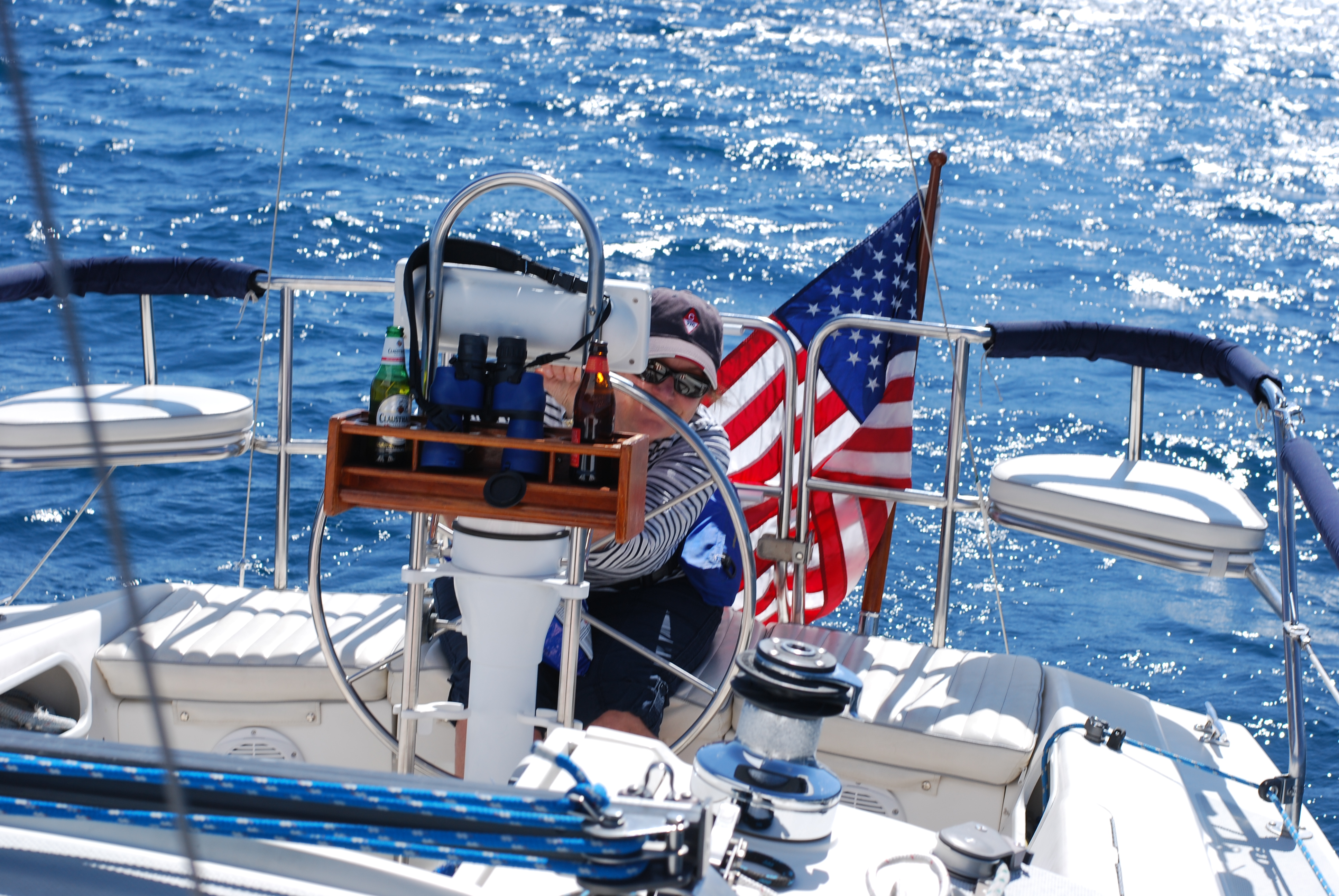
Winds were light and westerly when we arrived, and warm — about 80 degrees at lake level. The water temperature is now 65 degrees, and warming daily. Now that we’re in our seventh year of sailing Splendido, we have a dialed-in checklist we follow to get out quickly and get the sails up. With partly cloudy skies and what I call “Tahoe Monsoon” conditions (high pressure over the West and thunderstorms forming in the afternoons), we motored out and found a gentle breeze to set sail. We started by shaking out the reef we’d been sailing with so far this season, but later on, when the canyon winds kicked up with gusts in excess of 20 knots, things just got uncomfortable and noisy, so we turned her into the wind, put the first reef back in, and it was smooth sailing after that. I poured Debbie a nice glass of Lava Cap Grenache from a recent road trip we did to Amador County, CA  (check it out if you haven’t – it’s like Napa 40 years ago), and I grabbed my trusty Clausthaler N/A beer and settled in for a fun afternoon. We cruised around McKinney and Hurricane bays, and were surprised how few boats were out. Later on, we saw four or five more sails come out, including Tahoe Cruz, with a deck full of tourists enjoying the ride.

Back on the hook at about 8:15 p.m., Debbie went below and whipped up a delicious caprese salad with roasted chicken and a balsamic dressing and a fresh loaf of crusty bread. As she prepared dinner, I tidied up on deck and worked on the lazy jacks/lazy bag that’ve gotten a bit out of whack. Afterwards, we buttoned up Splendido and rowed the dinghy back to shore in the gathering darkness, grateful for the chance to sail away from the anxiety of life’s changes and challenges, at least for an afternoon.

Fair winds and smooth sailing. DB

A Strong Start To The 2018 Season

First, a word of thanks to my friends who helped make commissioning a lot easier this season: To Michael Salley, who generously let me store Splendido in his industrial yard, with access to water and electricity (and a forklift!), I am much beholden; it allowed us to get everything ship-shape in record time. To Jamie Filbin, my dear friend, fellow adventurer and sailing enthusiast, I am deeply indebted for the many hours of prep help, cleaning and waxing the hull (thank goodness for Collinite), helping paint the bottom and (this is where the forklift comes in), knowing how to drive one so we could lift the mast up 13 feet from the sawhorses it was resting on while we checked the rigging, replaced the halyards, and rebuilt the masthead.

Owning a sailboat in her prime (Splendido turns 25 this year) has its challenges, and one of them is parts wearing out and needing to be replaced. Notice that I was careful not to say “older” or “aged” sailboat – I am reminded of my favorite Aubrey/Maturin stories written by Patrick O’Brian:

Dr. Stephen Maturin: By comparison, the Surprise is a somewhat aged man-o-war. Am I not correct?

Captain Jack Aubrey: Would you call me an aged man-o-war, doctor? The Surprise is not old; no one would call her old. She has a bluff bow, lovely lines. She’s a fine seabird: weatherly, stiff and fast… very fast, if she’s well handled. No, she’s not old; she’s in her prime.

One of this year’s challenges was to repair, replace, or fabricate the masthead divider plate for our weatherly, stiff and (relatively) fast Splendido. Our masthead divider plate had worn out – had broken, in fact – and so I contacted Catalina Yachts in Florida and they searched the warehouse and couldn’t find anything that would work. So, I had to fabricate it myself, which was not difficult, and I actually enjoyed the challenge of finding the proper type of plastic and doing the engineering drawings and making the thing whole again. While I was at it, I also replaced two of the Delrin masthead sheaves (as well as the ones for the deck organizers, which had worn flat spots in them after all these years).

Once we launched the boat, I noticed a slow drip coming out of the sea water pump when it was running. Jamie and I pulled the pump, examined it, and couldn’t figure out why it was dripping. I got on the phone with the kind folks from Transatlantic Diesel, and they said it was probably the seals that had worn out. So, one evening over beer and pretzels, my engineer/brother-in-law Tracy and I disassembled the pump, replaced the seals I bought from TAD, and it’s been running like a top ever since. (Thanks, Tracy!)

Sailing? Why yes, the point of all this activity was to actually get out on the water. Long story short, the sailing has been great. Here’s a quick YouTube™ link to perhaps our best sailing day, June 25th, with Splendido rocking out in 21 knots of wind, racing southwards at 6.5 knots plus for miles on end.

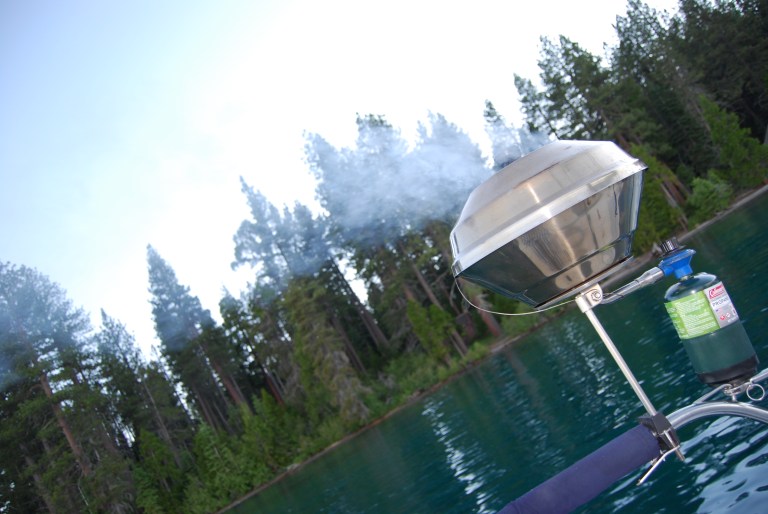
On more normal sailing days, with 10 – 15 knot Zephyrs, Debbie and I have gone out and enjoyed gentler sails. On the eve of July Fourth, we had a wonderful sail with one reef in the mainsail and about 50% of the genoa out, which took us to our favorite gunkhole toward the south end of Sugar Pine State Park. There, we saw Terry Wasik and his 41-foot Hunter, Cheeseburger in Paradise, with the hook down, settling in for the night. We dropped the hook about 75 yards away and grilled steaks on the Magma BBQ while the sun sank in the western sky. As the sky darkened, we saw the flashes of fireworks at King’s Beach on the north shore, and sat on the deck enjoying the show.

Once again, I am filled with gratitude at the gift of friends, this lake, this boat, and being healthy and able to enjoy it all. To my fellow sailors, I have a deep appreciation for all the hard work, headaches, and heartburn that goes into pursuing our shared passion for life under sail. What’s remarkable to me is that every season, getting out on the water, trimming the sails, and cruising along with one foot on on the wheel and the wind in your hair is like a magical amnesiac that makes all the effort worthwhile.

Fair winds and smooth sailing! DB
Dude, What Happened To The 2017 Season?

I didn’t post much last year (actually, I posted only once), and for the past six months, I’ve been thinking about why that was. The truth is, last season was a bit rough for Splendido, but we still had a lot of fun when we did manage to get out on the water. So here’s the story, belated though it may be:

splendido-before-the-bright-blue-paint-fiasco

At first, I thought the season was going to be a breeze. Spring commissioning went really well, with lots of new upgrades, including a new mainsail, lazy bag, and lazy jacks, Raytheon wirelesss instruments, and new Navy Blue Krypton bottom paint, too. But then…

IMG_2287

I noticed hairline cracks in the fiberglass in the bilge area made me nervous (this does not take a lot, as friends can affirm). After grinding out the cracks and thoroughly inspecting everything, I realized the repair was beyond my comfort level, so I took Splendido to my local fiberglass expert. A cool $950 later (ouch!), she was better than new. The repairs set us back a few weeks, so we didn’t launch until nearly July. So there’s that. Then…

spsp-smoke-pm-17

Wildland fires in California made the lake basin smoky for a good part of the seasonso that cut into our sailing time a bit.

thunder-bumpers-17

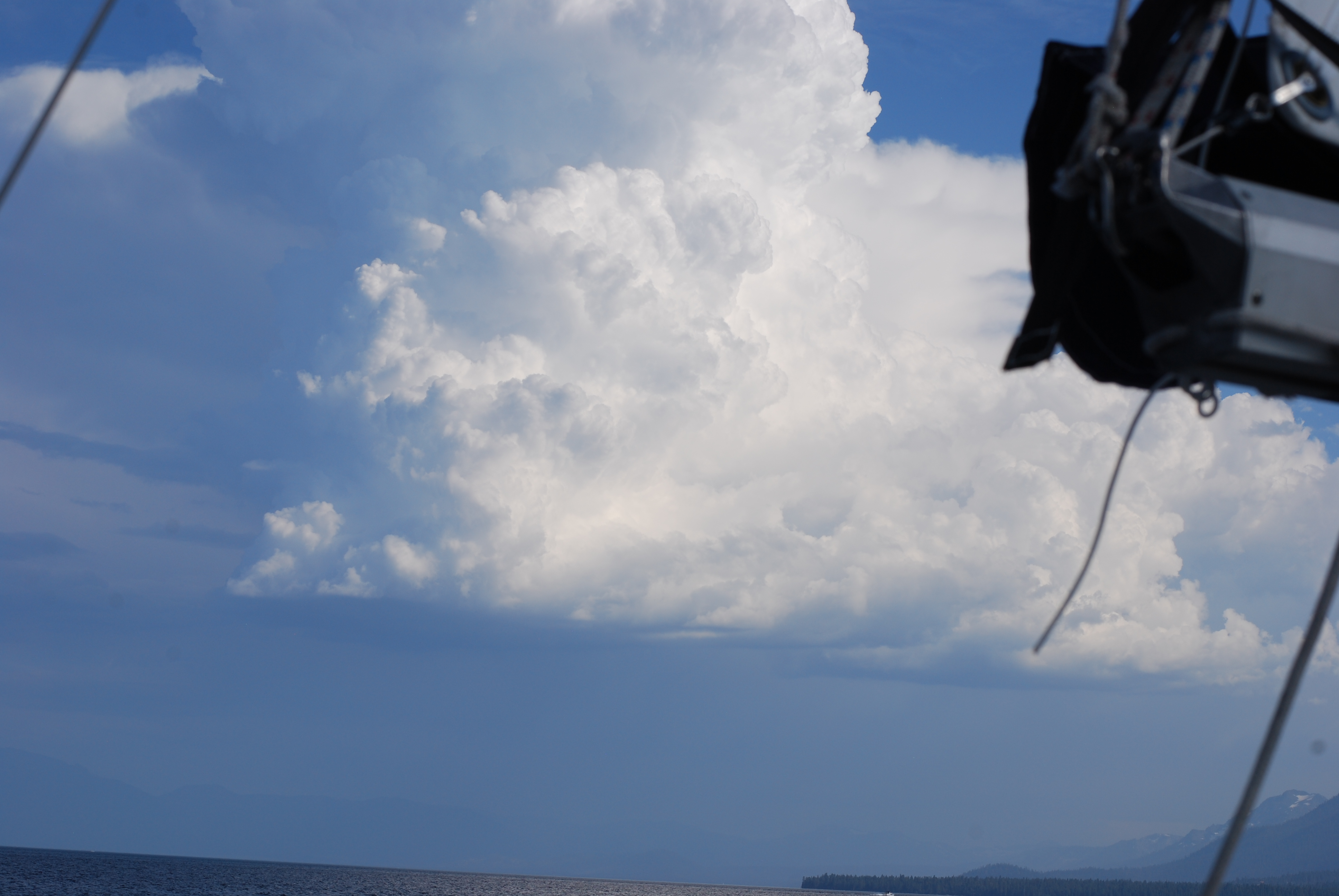
Thunderstorms kept us guessing for a fair amount of the season about when and where to sail.

mamatus-clouds5-17

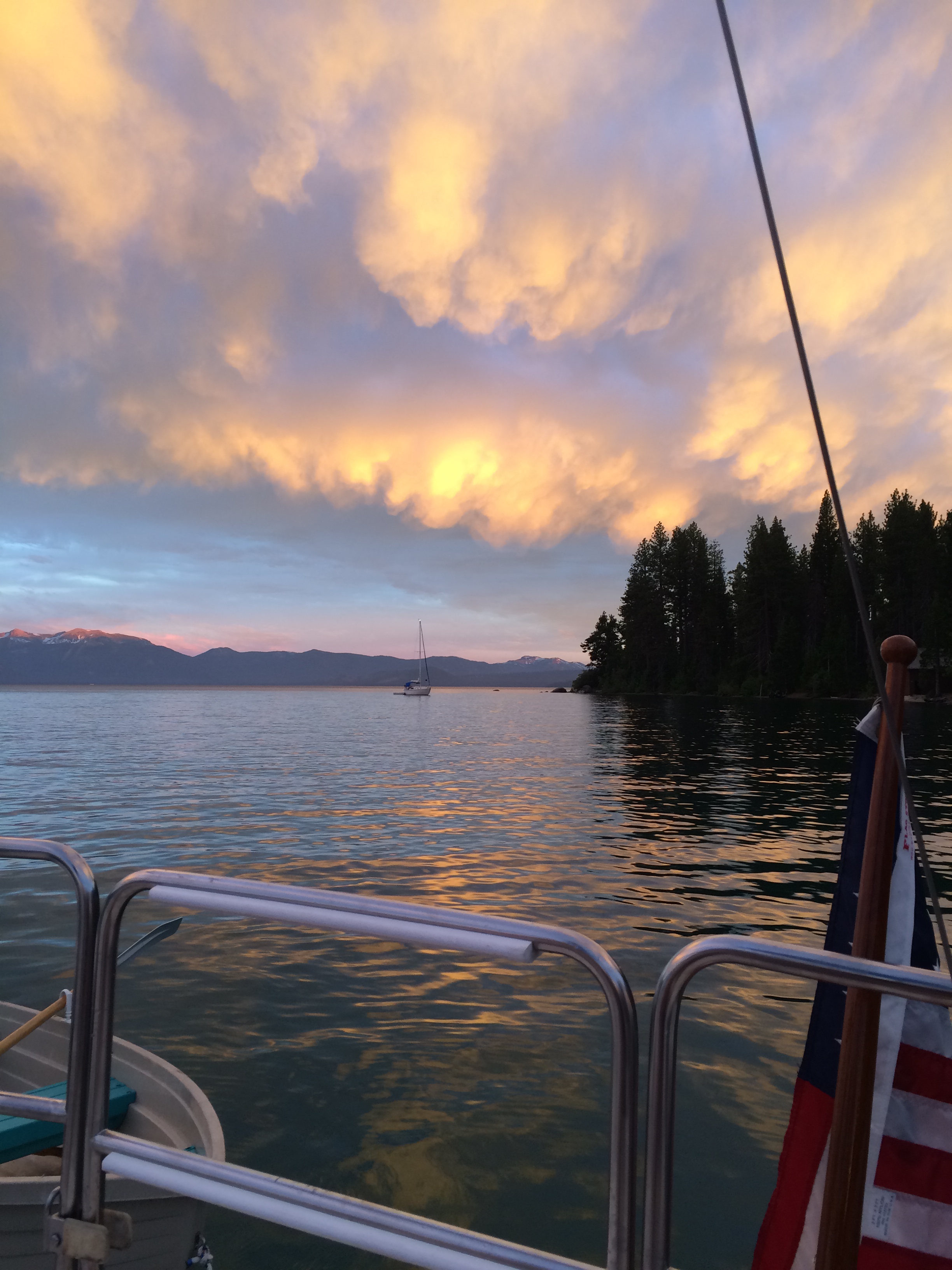
The weather patterns seemed different, although they made for some very interesting cloud formations. I believe the clouds shown here are called mammatus clouds, and they form on the underside of anvil clouds. They have a particular beauty, especially when the sun hits them at a low angle.

db-burkha

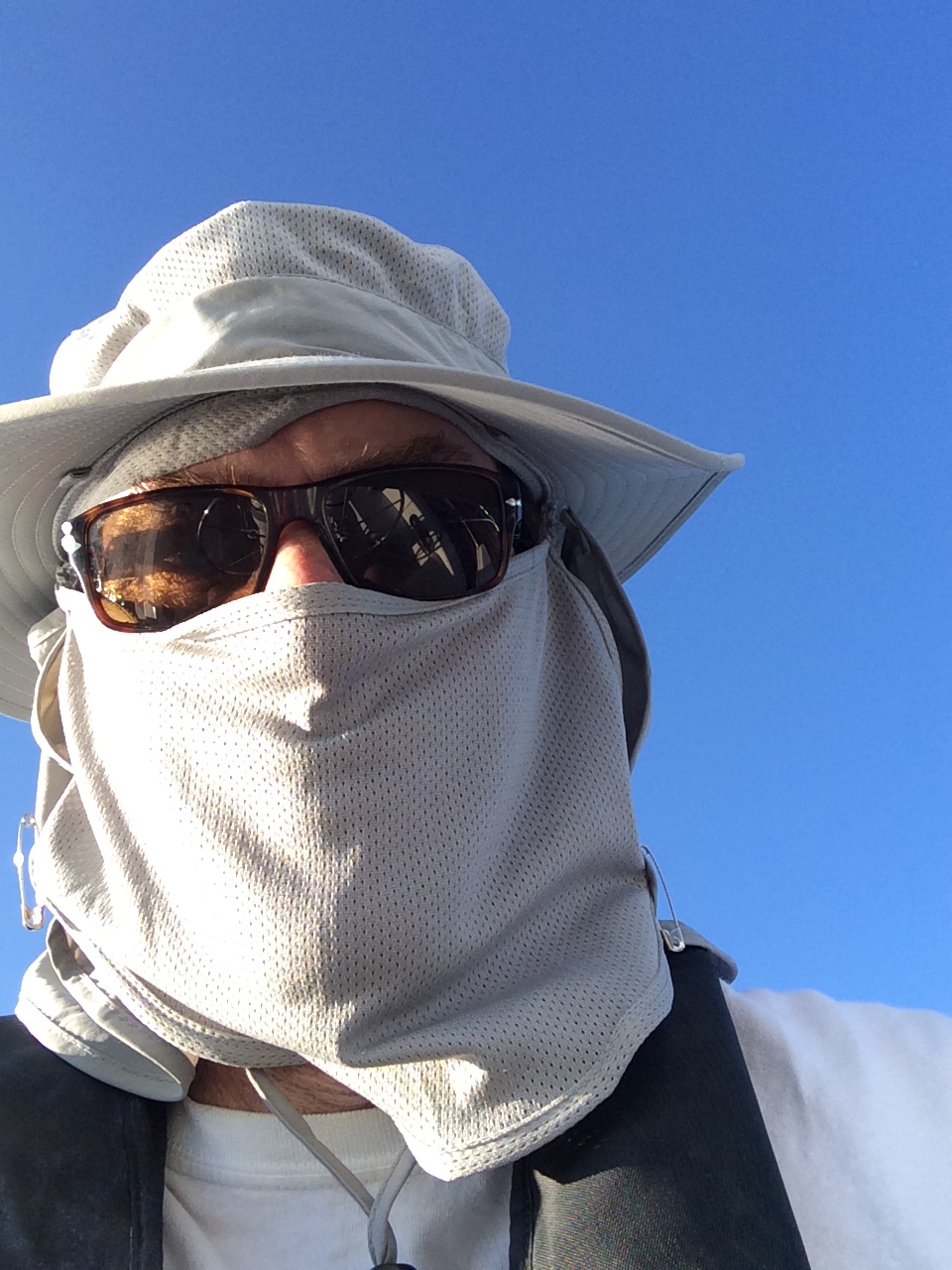
When the sailing was good, it was epic, and so I tended to try to squeeze every drop out of it. Hence, the burkha-like headgear to protect my pale skin from Tahoe’s high-elevation rays.

debbie-transom14-17

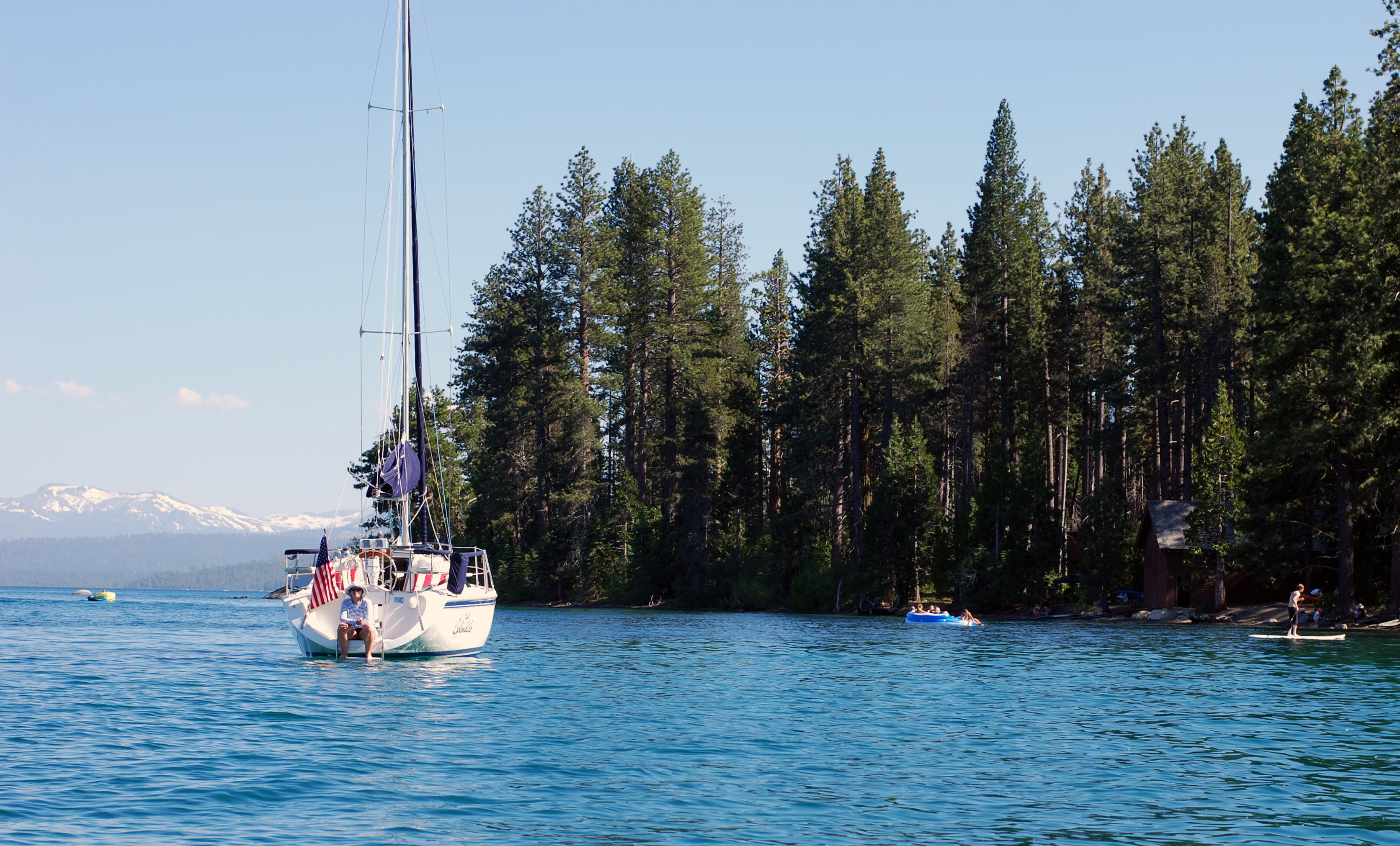
Boat camping was a standard weekend activity for us when conditions permitted. We enjoyed a number of two-night stays at anchor, often rowing in to shore to take walks and explore Tahoe’s forests and glades.

northward-am-ghosting-17

Sometimes you can sail in the morning at Tahoe. One weekend when Debbie was hanging out with one of her girlfriends at our home in Reno, I spent two nights on the boat. This shot is of a 7 a.m. sail northwards, just ghosting along at about 2-3 knots with a gentle westerly.

spsp-am-harbor1

Other mornings, you just hang out and enjoy the beauty of a quiet anchorage while you sip your morning coffee.

db-swim11

In August, the water was warm enough for swimming, and Debbie and I did a lot of swimming off of Sugar Pine State Park.

debbie-hides1

Debbie is getting a lot more comfortable being skipper, although she clearly still doesn’t like having her photo taken.

IMG_2546

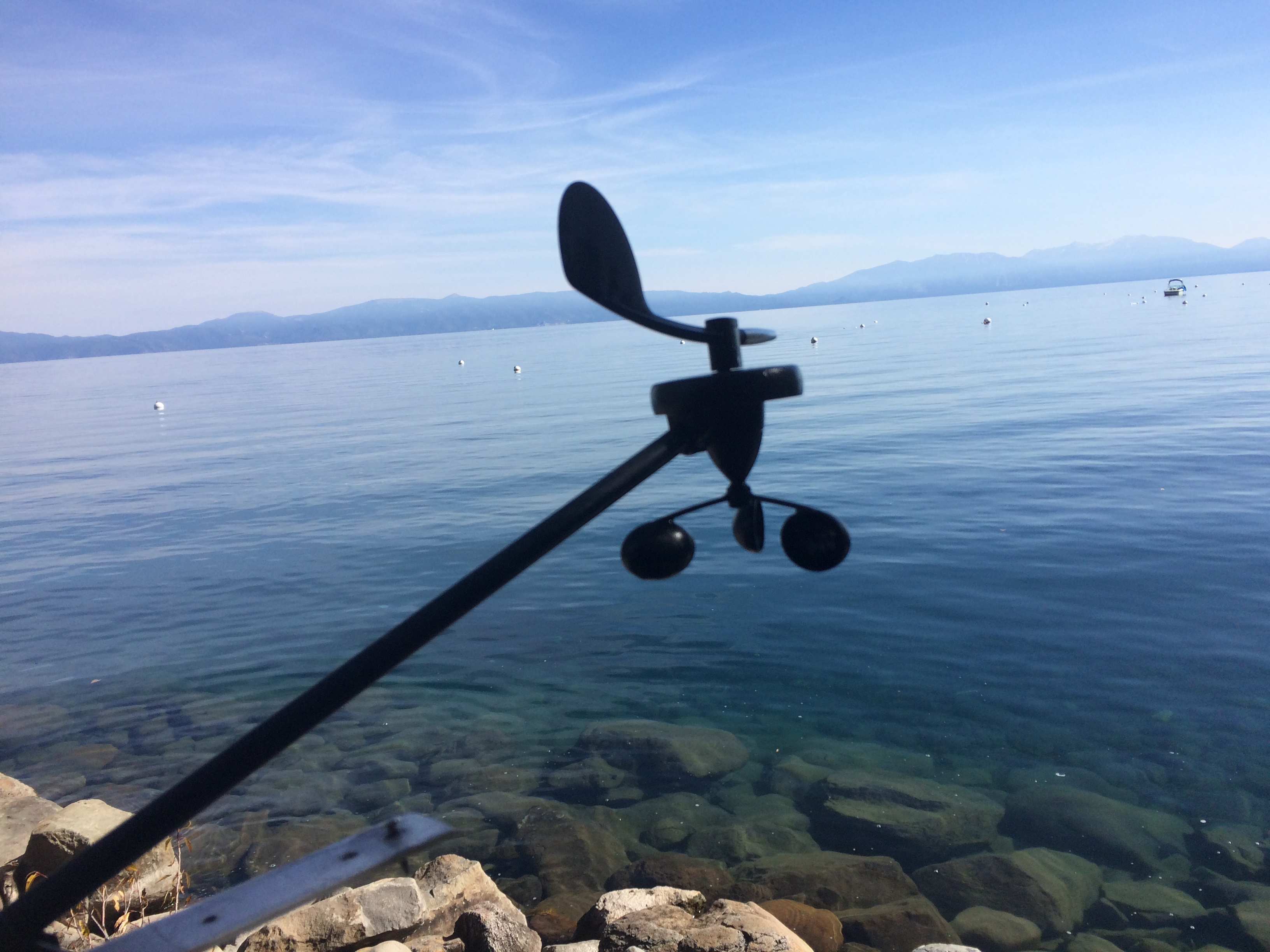
A rare easterly storm in late September shook my brand-new wireless Raytheon wind instruments off the mast and tossed them in the drink. Because Splendido was on her mooring ball when this happened, I knew they had to be somewhere within a 50-yard radius of the ball. So, on a placid day in mid October I donned a wetsuit, gloves, hood, flippers and mask and tried to find this precious gear somewhere on the lake floor. After two hours of diving and chilled to the bone (the water was 50 degrees F.), I spotted a glint in the muck at about 25 feet deep. I broke an eardrum and got a bloody nose because I didn’t clear my ears properly, but I got the d@#ned instruments. Best of all, they still worked after spending three weeks in the water.

labelled-navy-blue-kryptonbottom-paint

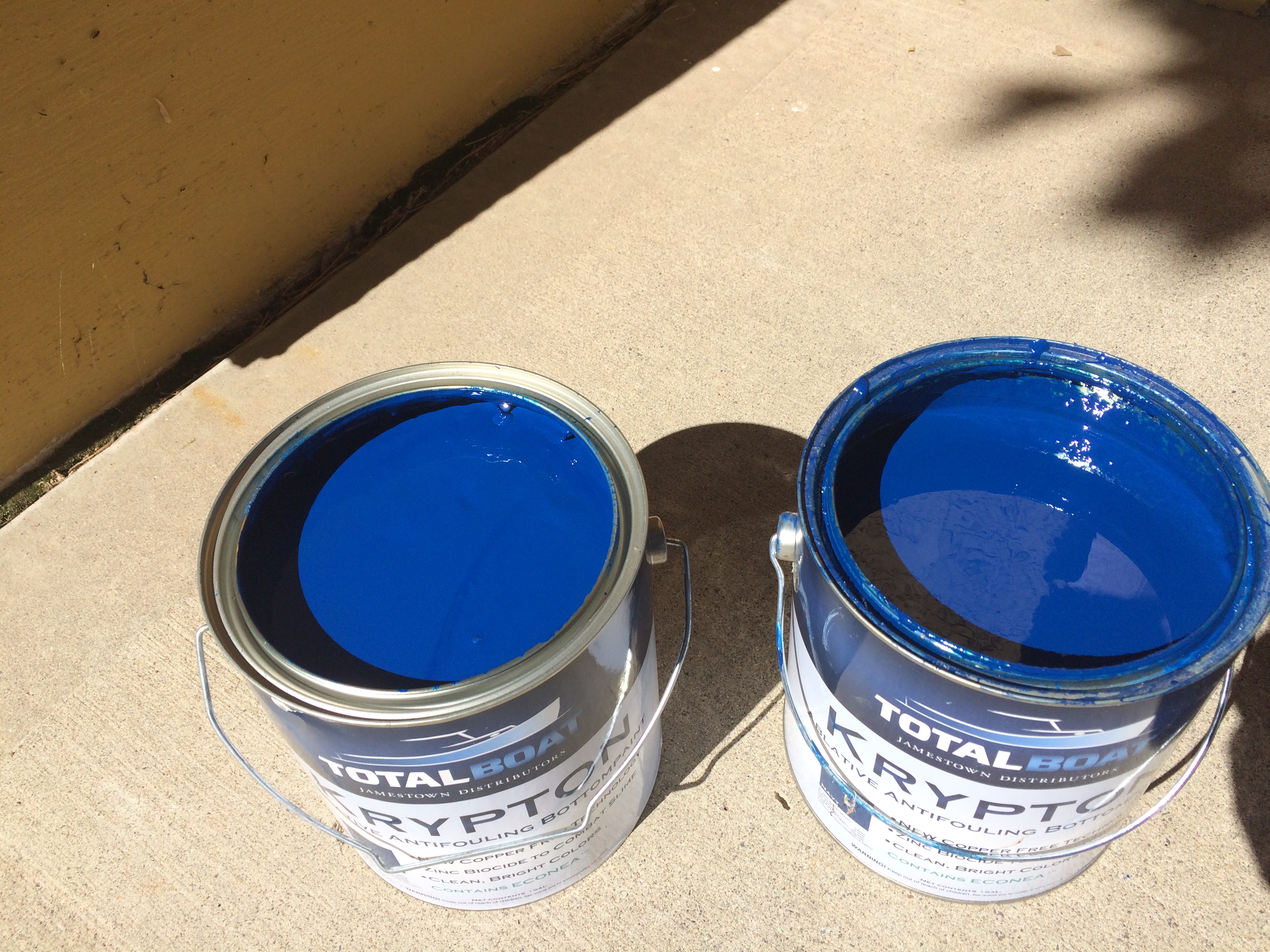
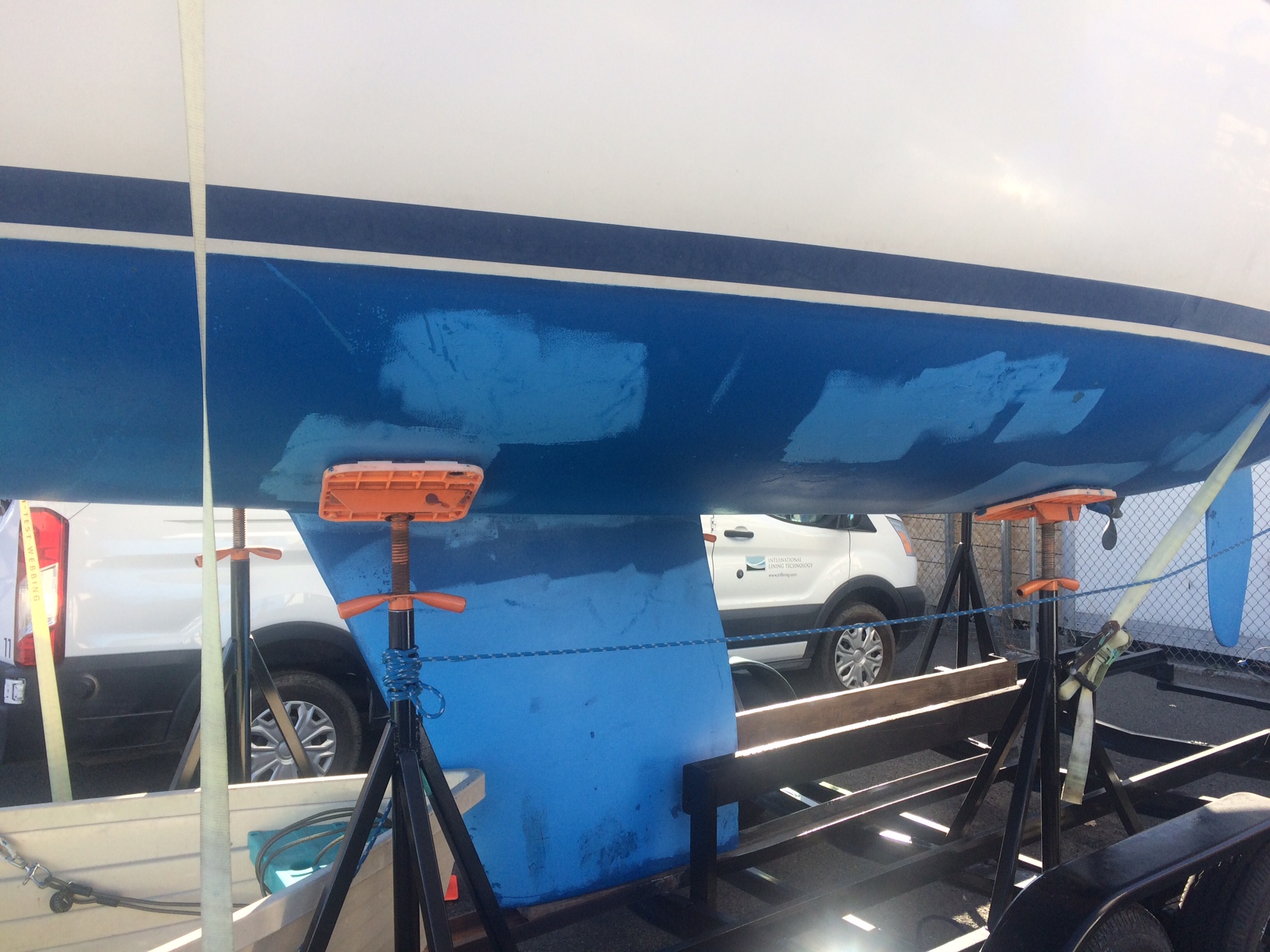
Royal blue is not Navy blue I loved how good the Total Boat Krypton Navy blue paint looked on Splendido at the beginning of the season (see the first photo at the top of this post), but I didn’t buy quite enough, so I ordered another gallon about a month after I bought the first gallon. The day before we launched, I touched up a few areas on the hull, and the color looked normal when it was applied over the rest of the Navy blue. However, when we pulled the boat at the end of the season, I was stunned to see that the “touch up” part was actually Royal and not Navy blue. I called Jamestown Distributors to tell them they were putting the wrong color in the Navy cans, but they thought I was hallucinating – until I showed them what the hull looked like. They sent me another can, free of charge – and it, too, was labeled Navy but filled with Royal blue paint. Bottom line, I guess Splendido will be sporting a Royal bottom this year. Word to the wise: Always buy your paint at the same time – and check the cans!

Fair winds and smooth sailing, DB